Tajikistan and Uzbekistan may expand cooperation in the oil and gas sector — the parties are once again discussing the supply of Uzbekneftegaz products to Tajikistan. Such supplies were previously carried out, but were suspended at a certain period.
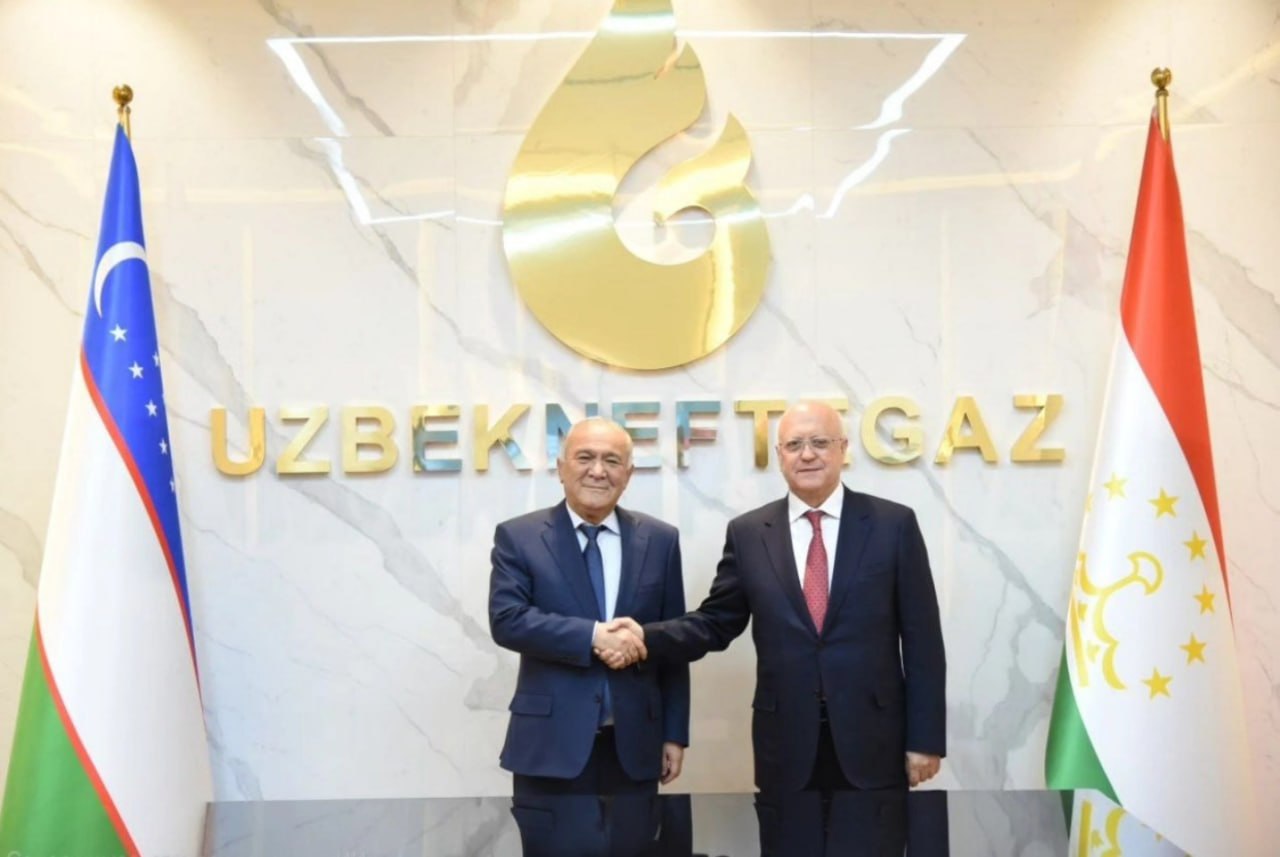
As reported by the press service of JSC Uzbekneftegaz, the chairman of the company’s board, Abdugani Sanginov, held a meeting with representatives of the official delegation of Tajikistan.
The negotiations were attended by the director of the Agency for Material Reserves under the Government of Tajikistan, Nurmuhammad Ahmadzoda, as well as the Extraordinary and Plenipotentiary Ambassador of Tajikistan to Uzbekistan, Nasreddin Ismatullo.
The parties discussed the prospects of supplying oil and gas products of the Uzbek holding to the Tajik market. The Tajik side expressed interest in purchasing products from major industrial enterprises of Uzbekneftegaz.
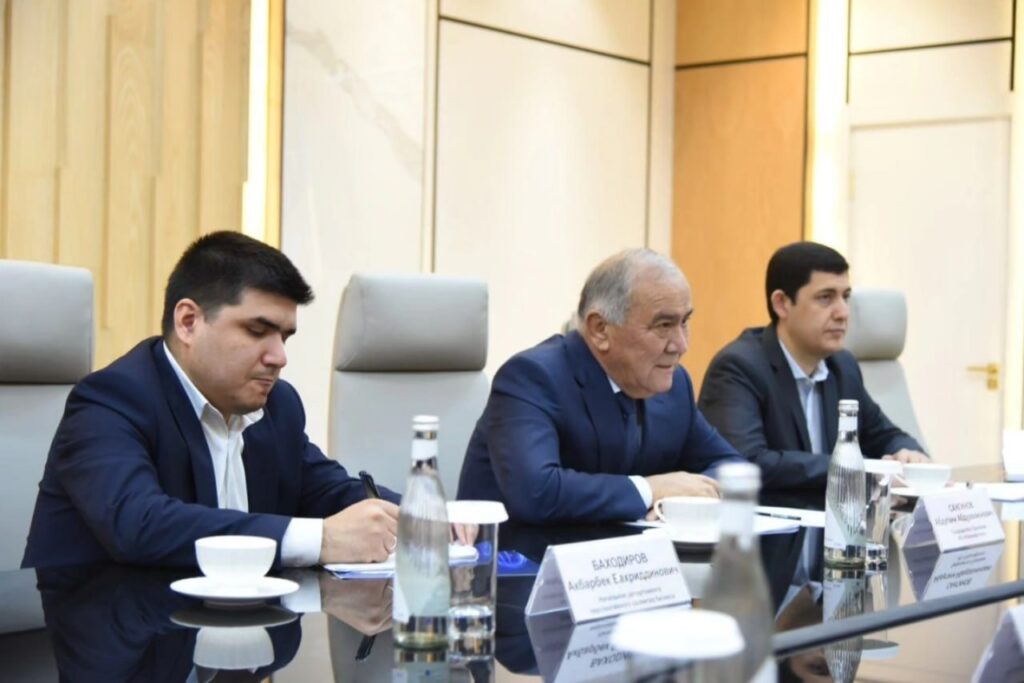
The company emphasized that possible supplies will be carried out on market conditions. It was also noted that in recent years, cooperation between the two countries has reached a strategic level and is developing based on mutual trust and good neighborliness.
However, specific volumes and terms of possible deliveries have not yet been specified.
Uzbekistan was previously one of the key gas suppliers to Tajikistan. However, supplies were halted in 2012. Uzbekistan announced the complete cessation of gas exports from April 1, 2012, citing a shortage of resources.
According to the agreement signed at the beginning of 2012, Tajikistan planned to purchase about 200 million cubic meters of gas, with a guaranteed volume for the first quarter being 45 million cubic meters.
According to “Tajiktransgaz”, by the end of March of that year, about 41 million cubic meters had been delivered, and supplies were to be brought to the quarterly quota.
After the cessation of exports, energy cooperation between the countries was significantly reduced. Only in recent years, against the backdrop of improving bilateral relations, have the parties begun to gradually restore economic ties.
The current negotiations may be another step in this direction.