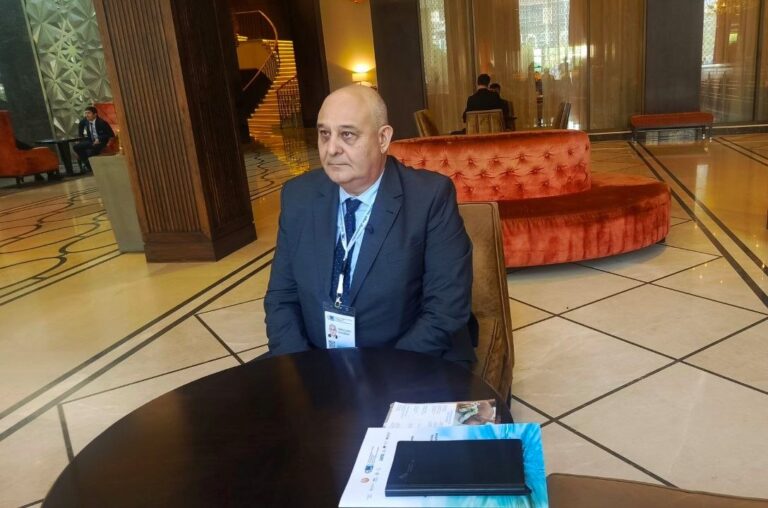
DUSHANBE, July 7, 2009, Asia-Plus / — “Evolution that took place in positions of supporters of secular and theocratic nature of statehood in Tajikistan has become a basis of reestablishment of peace and accord in our country,” Tajik expert Abdullo Rahnamo remarked at a roundtable meeting, entitled “Kazakhstan and Tajikistan: Issues of Inter-ethnic and Inter-religious Accord,” in Dushanbe today.
He noted that at the earlier stages of inter-Tajik peace negotiations, supporters of the secular way of development of the country had flatly refused to recognize activity of religious political parties in Tajikistan and supporters of the theocratic state had been against the secular order in the country. “During the secular-Islamic dialogue, a Tajik model of construction of state was developed and this model is considered to be unique,” said Rahnamo, “The president was the first to take a serious step towards that, putting a veto in 1998 upon the law banning religious political parties in the country.” Following that, the Islamic opposition also made concessions, he added.
“We know that during the civil war in Tajikistan, the Islamic Movement of Uzbekistan was a component of the United Tajik Opposition (UTO); however, after a certain approximation of positions of the government and the UTO, the opposition armed forces participated in banishing the IMU militants from Tajikistan and for that, IMU accused Tajik Islamic opposition of diverging from principles of holy war for Islam,” the expert said.
According to him, Tajikistan’s experience in legalization of activity of the religious political parties may promote appearance of moderate religious associations in society.
The meeting was organized by the Friendship Association, Tajikistan-Kazakhstan, and Tajik Journalists’ Union.