‘In Tajikistan, religious extremism can be gradually replaced by secular extremism,’ says IRPT leader

DUSHANBE, September 26, Asia-Plus — “In our country, religious extremism can be gradually replaced by secular extremism,” The Islamic Revival Party (IRPT) leader Muhiddin Kabiri remarked at the IRPT congress in Dushanbe on September 25.  “As the religious extremists use religious values as a cover the secular extremists use the secular values,” Muhiddin Kabiri said, […]

Bahrom Mannonov

DUSHANBE, September 26, Asia-Plus — “In our country, religious extremism can be gradually replaced by secular extremism,” The Islamic Revival Party (IRPT) leader Muhiddin Kabiri remarked at the IRPT congress in Dushanbe on September 25. 

“As the religious extremists use religious values as a cover the secular extremists use the secular values,” Muhiddin Kabiri said, noting that any manifestation of extremism can destabilize the sociopolitical situation in the country.  “However, I believe our society is able to repulse any kind of extremism.” 

He termed headscarf ban as an example of the secular extremism.   

“We live in democratic, secular state, and it is the right of citizens themselves what type of clothing to wear or not,” he said.  

The other example of extremes is closing or pulling down mosques, according to him.  “If for man of the world mosque is just a building, for believers mosque is a holy place,” said the IRPT leader, “And pulling down of mosques is disrespect of religious values and this evokes our concern.” 

On the draft law on freedom of conscience and religious organizations, Kabiri said that it provides for putting ban on political parties having religious nature.  “This legislation is being made anonymously,” said Kabiri, “I can say with confidence that this draft law is in contrary to the country’s Constitution and I hope that it will not be adopted in this form.”            

We will recall that some media have reported that draft legislation pending in parliament would roll back religious freedom in Tajikistan. In its present form, the legislation would effectively institute limits on the number of mosques allowed to function in the country, and would make it virtually impossible for most religious denominations to gain official registration.  Tajik legislators are expected to mull adoption of the legislation soon after the current parliamentary recess ends.  Beyond the restrictive nature of the draft legislation, opponents criticize the secretive manner in which the government has acted to date, complaining that the full text of the draft law is not readily obtainable.  According to this media, the draft law would prohibit religious education of any kind for children under the age of seven, as well as ban all forms of religious instruction in private homes. It would also bar foreign nationals from heading a state-approved religious organization in Tajikistan. In addition, the legislation would strictly regulate the number of mosques, specifying one mosque per 20,000 inhabitants in rural areas, and one per 30,000 in urban areas. In the capital, Dushanbe, the law would permit only one mosque per 60,000 residents.
 

Join us on social media!

Article translations:

Related Article

Tenisi
Оби зулол
Оби зулол

Most Read

Коммерсбонк Точикистон

Recent Articles

Major global investment companies show interest in Tajikistan’s economy

Among them are J.P. Morgan, Loomis Sayles & Company, Morgan Stanley Investment Management, and Global Evolution.

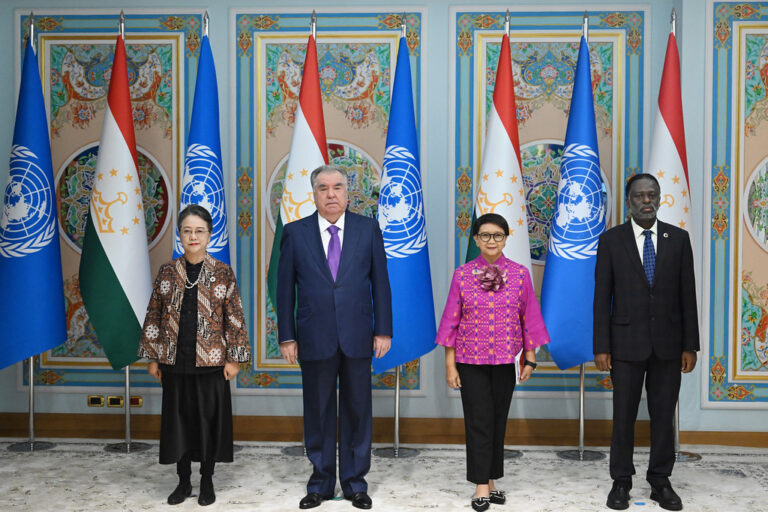
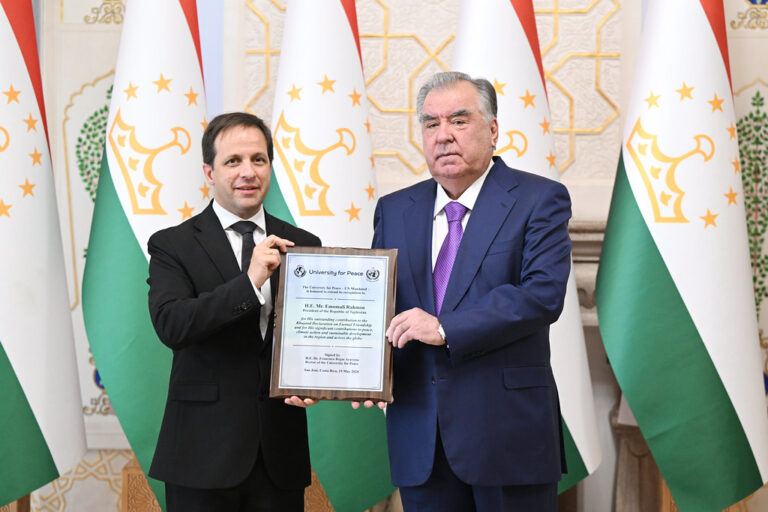
President Rahmon awarded UN University for Peace Certificate of Recognition

He is awarded for "significant contribution to establishing peace, developing regional cooperation, and strengthening mutual understanding between peoples."

Starlink satellite internet becomes available in Kyrgyzstan

And in Tajikistan, it was launched in February of this year.

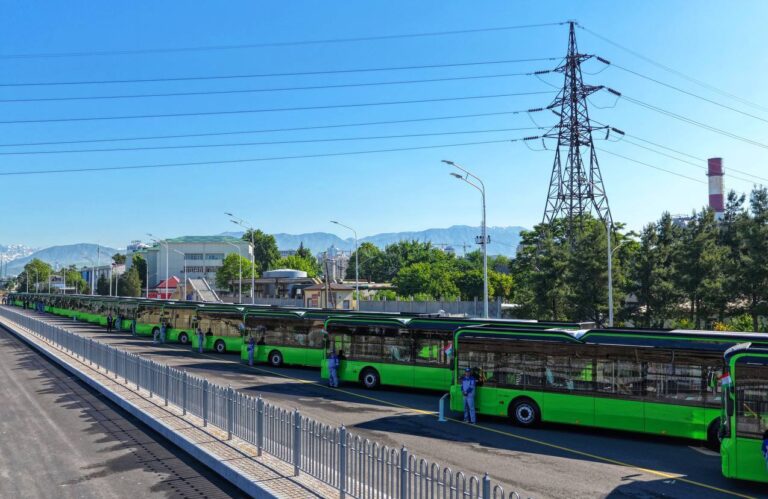
In Dushanbe, 30 more new electric buses start operating

Each is designed to carry 100 passengers and can travel up to 300 kilometers without recharging.

Who is the man who “increased the Aryan race” and told the President of Tajikistan about it?

Kozie Koziyev, a folk craftsman, built dozens of houses, participated in the construction of a mosque and a kindergarten in Matcha, raised 11 children, and created a true dynasty of builders.

Tajik leader discusses water, climate, and global security issues with UN Deputy Secretaries-General

The parties paid special attention to the "Dushanbe Water Process," parliamentary diplomacy, and the peaceful resolution of conflicts.

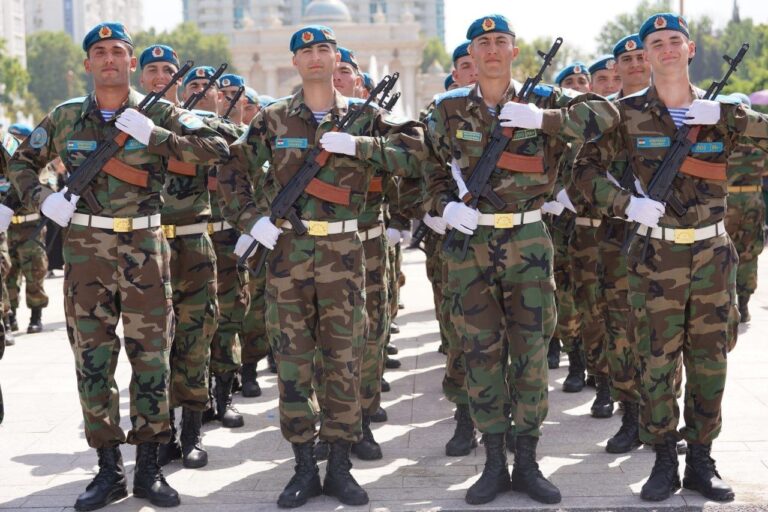
Tajikistan completes the spring military draft target ahead of schedule

There is still a week left until the end of the conscription campaign.

Custodian of non-written languages and builder of academic bridges; philologist Khusrav Shambezoda turns 70

He could have devoted himself exclusively to the study of classical heritage, but he chose the challenging path of preserving the living word — and Tajik-Russian science gained in him a brilliant sociolinguist whose name became synonymous with dedication.

Tajikistan ranks among the top three leading trade reformers in Europe and Central Asia

The country has shown progress in the digitalization of trade procedures, the reduction of paper barriers, and the enhancement of transparency for exporters.

China to send workers to Tajikistan for modernization of the Kulma BCP

This is the only land border crossing point between Tajikistan and China.