IMF REO highlights need to tackle rising inflation in the Caucasus and Central Asia

DUSHANBE, November 9, Asia-Plus  — On Wednesday November 7, Mr. David Owen, Senior Advisor in the International Monetary Fund’s (IMF) Middle East and Central Asia Department, presented main findings of IMF’s October 2007 Regional Economic Outlook: Middle East and Central Asia (REO), in Tbilisi, Georgia.    The report sees continued strong growth in the Caucasus […]

Yekaterina Kozhevnikova

DUSHANBE, November 9, Asia-Plus  — On Wednesday November 7, Mr. David Owen, Senior Advisor in the International Monetary Fund’s (IMF) Middle East and Central Asia Department, presented main findings of IMF’s October 2007 Regional Economic Outlook: Middle East and Central Asia (REO), in Tbilisi, Georgia. 


The report sees continued strong growth in the Caucasus and Central Asia, but highlights the need to tackle rising inflation.

The report in particular, said the Caucasus and Central Asia is one of the fastest growing regions in the world, with real GDP set to rise by an average of 13 percent this year. Both oil and gas exporters (Azerbaijan, Kazakhstan, and Turkmenistan) and non-oil exporters (Armenia, Georgia, Kyrgyz Republic, Tajikistan, and Uzbekistan) are doing well.

The region”s strong performance reflects improved macroeconomic policies, reforms to improve the business environment, booming commodity exports, and large inflows of foreign direct investment and remittances.

However, strong foreign exchange inflows combined with the recent surge in international food prices have resulted in a sharp uptick in inflation in recent months, except in Armenia. Average annual inflation in the region increased to over 12 percent in September and is set to go higher before the end of the year. Even before the shock from higher food prices, inflation was rising steadily, as most central banks boosted domestic liquidity by purchasing foreign currency inflows, so as to limit the appreciation of their currencies.

Policy makers in the region could not have prevented the inflationary shock from higher food prices. But they should respond quickly to prevent this shock from passing through into other prices more generally.

In most countries there is room to tighten monetary policies, by raising interest rates and reducing foreign exchange market intervention to allow more exchange rate appreciation.

Plans in several countries to loosen fiscal policies by raising government spending should be put on hold. Fiscal restraint needs to be maintained, to reduce demand pressures and keep public debt on a downward path.

Moderate policy tightening to dampen inflationary pressures should allow the boom in the region to continue. While average growth in the region is likely to slow from this year”s rapid pace, it is projected to remain in double digits in 2008—high enough to keep the region on a path of rising income per head and declining poverty.”
Join us on social media!

Article translations:

Related Article

Tenisi
Оби зулол
Оби зулол

Most Read

Коммерсбонк Точикистон

Recent Articles

Major global investment companies show interest in Tajikistan’s economy

Among them are J.P. Morgan, Loomis Sayles & Company, Morgan Stanley Investment Management, and Global Evolution.

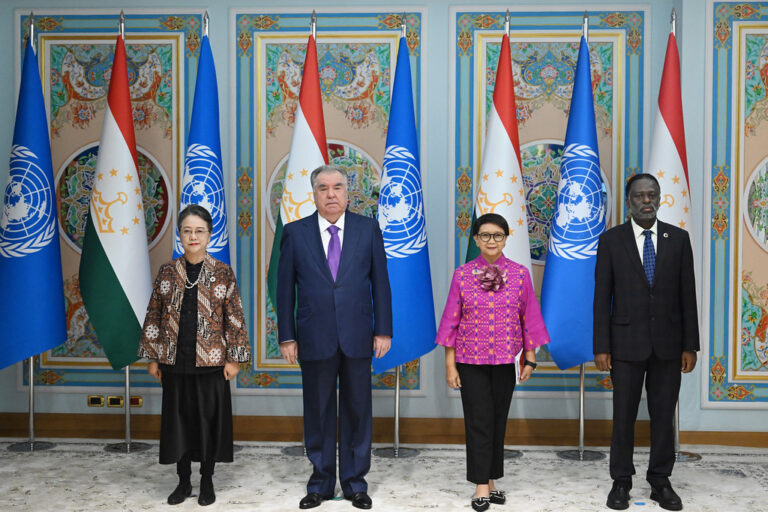
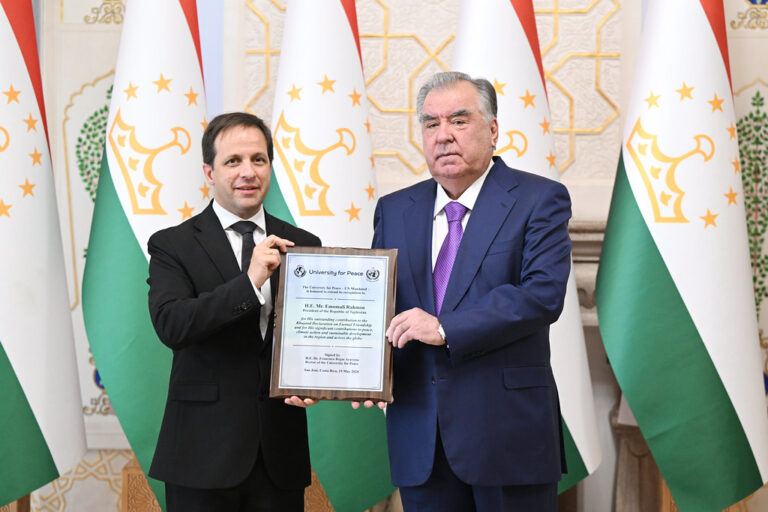
President Rahmon awarded UN University for Peace Certificate of Recognition

He is awarded for "significant contribution to establishing peace, developing regional cooperation, and strengthening mutual understanding between peoples."

Starlink satellite internet becomes available in Kyrgyzstan

And in Tajikistan, it was launched in February of this year.

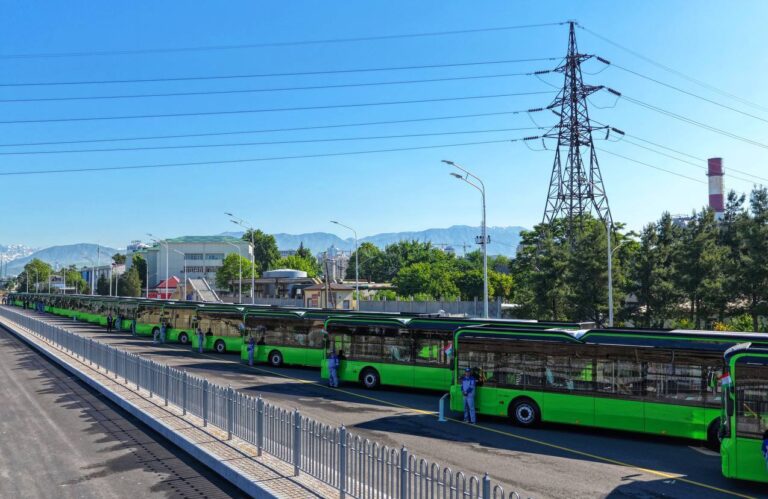
In Dushanbe, 30 more new electric buses start operating

Each is designed to carry 100 passengers and can travel up to 300 kilometers without recharging.

Who is the man who “increased the Aryan race” and told the President of Tajikistan about it?

Kozie Koziyev, a folk craftsman, built dozens of houses, participated in the construction of a mosque and a kindergarten in Matcha, raised 11 children, and created a true dynasty of builders.

Tajik leader discusses water, climate, and global security issues with UN Deputy Secretaries-General

The parties paid special attention to the "Dushanbe Water Process," parliamentary diplomacy, and the peaceful resolution of conflicts.

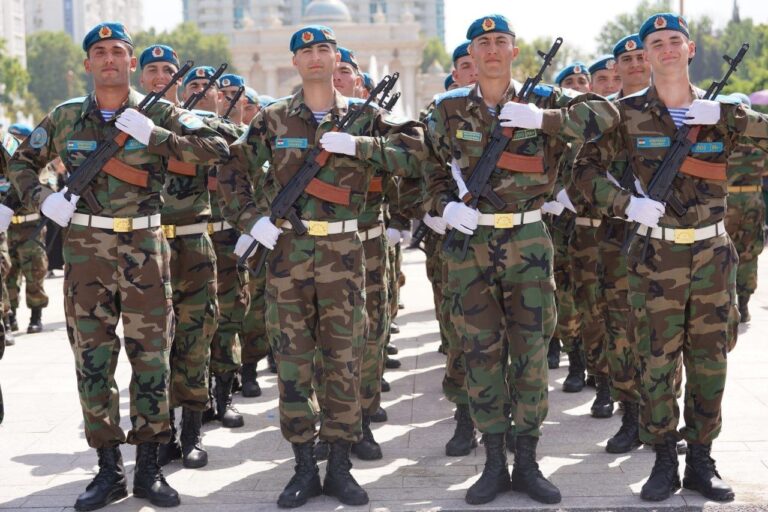
Tajikistan completes the spring military draft target ahead of schedule

There is still a week left until the end of the conscription campaign.

Custodian of non-written languages and builder of academic bridges; philologist Khusrav Shambezoda turns 70

He could have devoted himself exclusively to the study of classical heritage, but he chose the challenging path of preserving the living word — and Tajik-Russian science gained in him a brilliant sociolinguist whose name became synonymous with dedication.

Tajikistan ranks among the top three leading trade reformers in Europe and Central Asia

The country has shown progress in the digitalization of trade procedures, the reduction of paper barriers, and the enhancement of transparency for exporters.

China to send workers to Tajikistan for modernization of the Kulma BCP

This is the only land border crossing point between Tajikistan and China.