DUSHANBE, January 22, Asia-Plus — The project “Improving Rural Livelihood and Living Standards in the Khatlon Region” was launched on January 1, 2008 in the Khatlon province.
The project designed for 24 months is being implemented in Khatlon’s districts of Kulob, Temourmalik, Vose and Qumsangir, press release issued by Oxfam Tajikistan said.
A total project cost is 1,411,071 euros.
Press release, in particular, says that the lack of economic opportunities in Tajikistan’s poorest area, the Khatlon region, increases people”s vulnerability to poverty. Most families rely upon agriculture to make an income and to provide for their families. Agriculture does and can lift people out of poverty and can provide a means for a sustainable income if people have the know-how and the means.
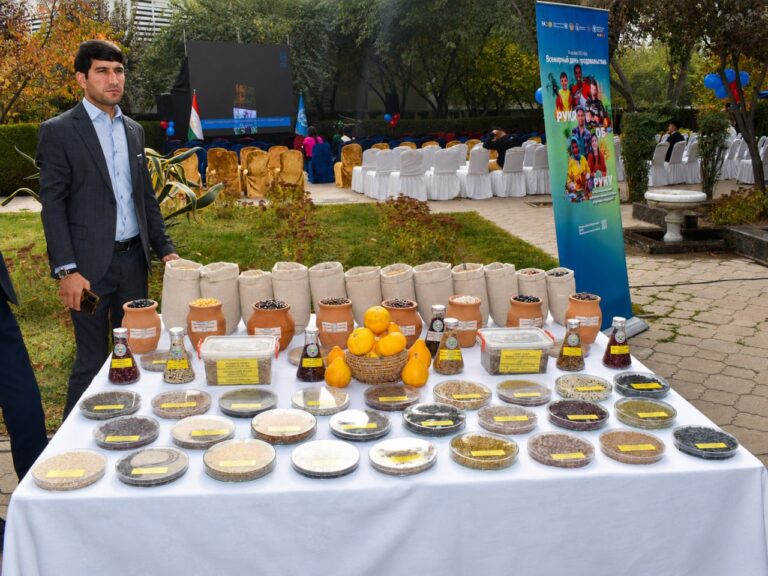
A new two-year EC/Oxfam GB project will stimulate social and economic development in Khatlon region. Specifically, it aims to improve rural livelihoods and living conditions of 34,400 women, men and children in 4,300 rural households in 20 poor rural communities in Kulob, Vose, Temourmalik and Qumsangir districts. The project will give support to farmers so that they can increase their income by diversifying their agricultural production and thus their customer base. Training will be given to increase farmers’ ability not only to help them to produce more varied products but to do it in a sustainable way. Seeds and tools will be procured for community managed agriculture shops and sold at affordable price so that farmers can improve their farming practices. Supply chains will be enhanced so that both farmers and supply providers can better access markets.
The problem of limited entrepreneurship will be addressed by putting agro-processing units in place; technical and entrepreneur skills will be developed and energy initiatives such as improved stove production will be piloted.
By improving water supplies and sanitation and educating people on health issues people will become healthier. Men, women and children will have increased access to, and make optimal use of, water and sanitation facilities, and take action to protect themselves against threats to public health.
This project will be implemented by Oxfam GB and three local partners; Hamkori Bahri Taraqiyot, Bakht and Durandesh. This project will complement and extend ongoing programs of national and international agencies that have initiated rural development projects in Khatlon.