Specialists from the ministry of industries inspect Khujand enterprise

KHUJAND, July 9, Asia-Plus  — A group specialists from the Ministry of Energy and Industries (MoEI) arrived in Khujand, Sughd province yesterday to get acquainted with a progress of rehabilitation of the local satin-producing enterprise, limited liability company Atlasi Khujand, Ms. Gulchehra Sanginova, the chairperson of the light industry department within a MoEI, said I […]

Bakhtiyor Valiyev

KHUJAND, July 9, Asia-Plus  — A group specialists from the Ministry of Energy and Industries (MoEI) arrived in Khujand, Sughd province yesterday to get acquainted with a progress of rehabilitation of the local satin-producing enterprise, limited liability company Atlasi Khujand, Ms. Gulchehra Sanginova, the chairperson of the light industry department within a MoEI, said I an interview with Asia-Plus. 

According to her, the enterprise is currently taking efforts to increase the volume of the production of satin but taxation problems, lack of raw materials and competition are impeding progress.  

She noted that in the Soviet time, Atlasi Khujand had produced up to 2 million linear meters of satin per year.  “Over the first six months of this year, the enterprise has produced 41,000 linear meters of sating, which is more than eight times more than in the same period of 2007,” said Sanginova.  “We plan to produce another 15,000 meters this year before introduction of electricity rationing.”

According to the Atlasi Khujand director general Azim Ghafourov, one the main problems facing the enterprise is shortage of cheap raw materials.  The Khujand-based joint venture VT-Silk realizes floss thread at world prices. 

“If we purchase expensive raw materials, we will not be able to realize our product under conditions of increasing competition,” said Ghafourov.  “Uzbek satin is being imported into the Sughd province illegally, and therefore it is more demanded here due to lower prices.  We have to process customer-owned raw materials.”  It is necessary to adopt the law protecting domestic producers, the director general noted.  

            “However, the enterprise does not have any debt, wage or public service debts despite all these problems,” Gahfourov said, noting that they plan to build a cocoon-winding factory and launch a joint venture with Chineses in the near future. 

            According to him, 50 persons currently work with Atlasi Khujand and an average monthly wage is 185 somonis.  
Join us on social media!

Article translations:

Related Article

Оби зулол
Tenisi
Оби зулол

Most Read

Коммерсбонк Точикистон

Recent Articles

Iranian president orders to restore internet access in the country

For almost 90 days, the population of Iran has not had access to the World Wide Web.

Software Updates: Your First Line of Defense Against Cyber ​​Threats

In today's digital age, the importance of timely software...

The number of migrants from Central Asia, including Tajikistan, has increased in Poland — expert

Many migrants from Central Asian countries are increasingly reluctant to work in Russia and are exploring new destinations.

Tajikistan to transfer rural water utilities to a unified digital platform

The task is to integrate all 500 drinking water supply organizations in the country into one system.

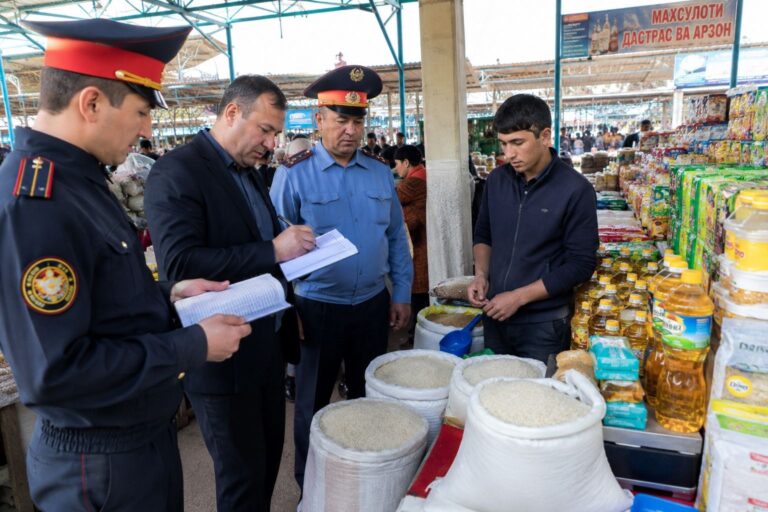
Dushanbe authorities tighten price controls ahead of the Eid al-Adha holiday

Briefings and explanatory discussions are being conducted with vendors in the capital's markets, and violators face administrative protocols.

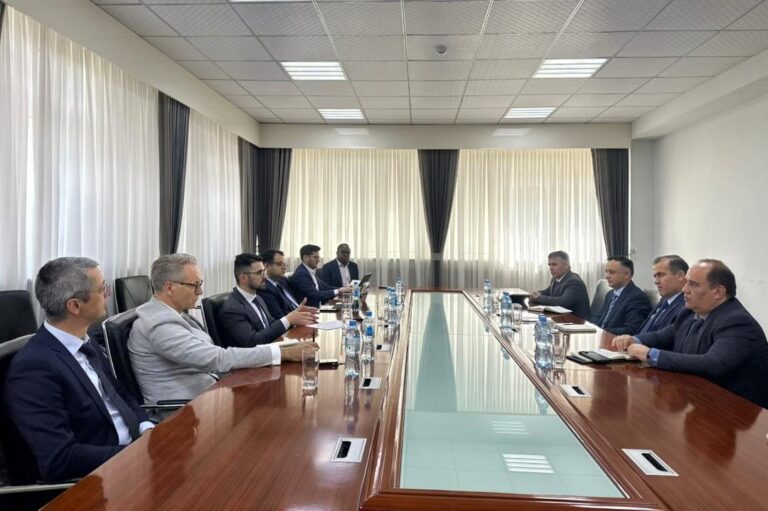
Major global investment companies show interest in Tajikistan’s economy

Among them are J.P. Morgan, Loomis Sayles & Company, Morgan Stanley Investment Management, and Global Evolution.

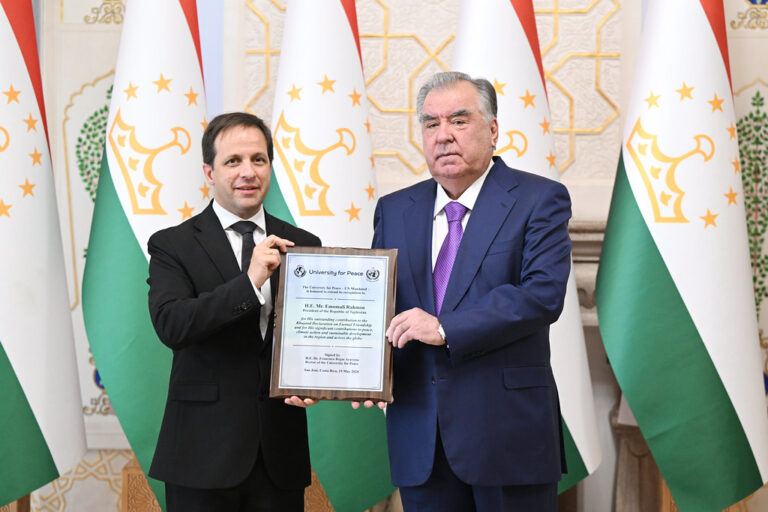
President Rahmon awarded UN University for Peace Certificate of Recognition

He is awarded for "significant contribution to establishing peace, developing regional cooperation, and strengthening mutual understanding between peoples."

Starlink satellite internet becomes available in Kyrgyzstan

And in Tajikistan, it was launched in February of this year.

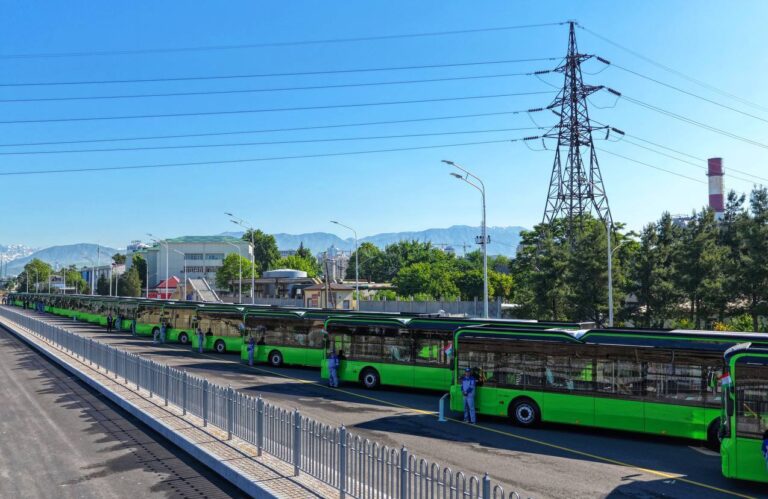
In Dushanbe, 30 more new electric buses start operating

Each is designed to carry 100 passengers and can travel up to 300 kilometers without recharging.