EU maintains trade preferences for developing countries

DUSHANBE, July 25 2008, Asia-Plus  — The European Commission has welcomed the adoption of a new Regulation applying the EU Generalized System of Preferences (GSP) for the period from January 1 2009 until the end of 2011, press release by issued by the Delegation of the European Commission in Tajikistan said.   It will allow […]

Bahrom Mannonov

DUSHANBE, July 25 2008, Asia-Plus  — The European Commission has welcomed the adoption of a new Regulation applying the EU Generalized System of Preferences (GSP) for the period from January 1 2009 until the end of 2011, press release by issued by the Delegation of the European Commission in Tajikistan said.  

It will allow 176 developing countries, including those of Central Asia, to attain a preferential access to the EU market.

EU Trade Commissioner Peter Mandelson said: “The continuation of GSP will ensure stability and predictability for beneficiaries and traders in the EU and developing countries. GSP is a vital tool of our pro-development EU trade policy.”

The GSP is a trade arrangement through which the EU provides non-reciprocal preferential access to the EU market for developing countries and territories.  In 2007, developing countries exported €57 billion worth of goods under GSP, with a nominal duty loss for the EU of €2.5 billion. 

The renewed preference system will be updated and improved, ensuring that GSP is targeted at those countries that need it most. The adjustments are triggered automatically when a country”s performance on the EU market goes above or below a certain threshold. Suspension of preferences, called “graduation”, reflects the fact that a particular country is competitive in the EU market for the products in question.

Alongside the standard GSP scheme, the EU also offers a special incentive arrangement for Sustainable Development and Good Governance, known as “GSP+”. It offers additional preferences to support vulnerable developing countries in their ratification and implementation of relevant international conventions on human and labor rights, environmental protection, and good governance. At present, 14 beneficiary countries receive the additional preferences offered under the GSP+. Interested countries have to apply until 31 October this year in order to benefit from this incentive scheme from January 2009.

A special arrangement for the 50 least-developed countries, known as “Everything But Arms” and providing an open-ended duty-free, quote-free access to the EU market is also maintained.
Join us on social media!

Article translations:

Related Article

Оби зулол
Оби зулол
Tenisi

Most Read

Коммерсбонк Точикистон

Recent Articles

Major global investment companies show interest in Tajikistan’s economy

Among them are J.P. Morgan, Loomis Sayles & Company, Morgan Stanley Investment Management, and Global Evolution.

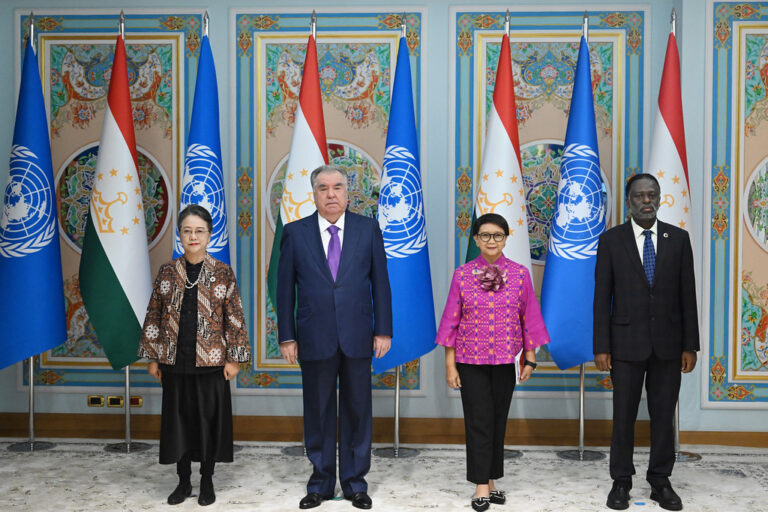
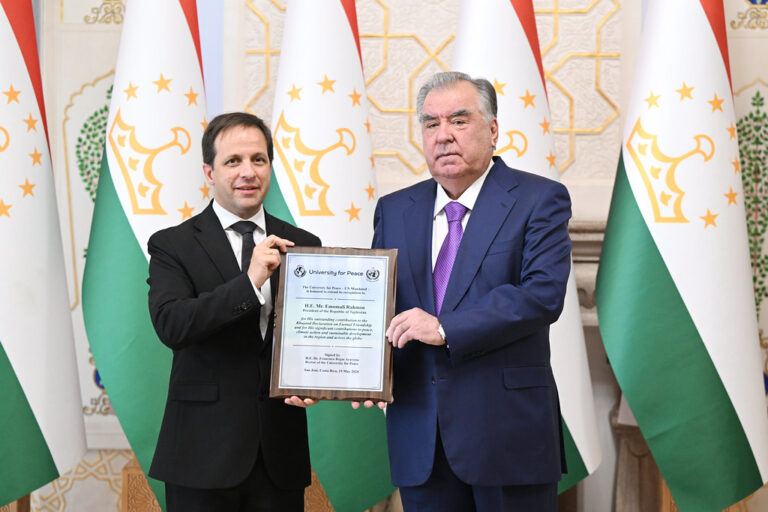
President Rahmon awarded UN University for Peace Certificate of Recognition

He is awarded for "significant contribution to establishing peace, developing regional cooperation, and strengthening mutual understanding between peoples."

Starlink satellite internet becomes available in Kyrgyzstan

And in Tajikistan, it was launched in February of this year.

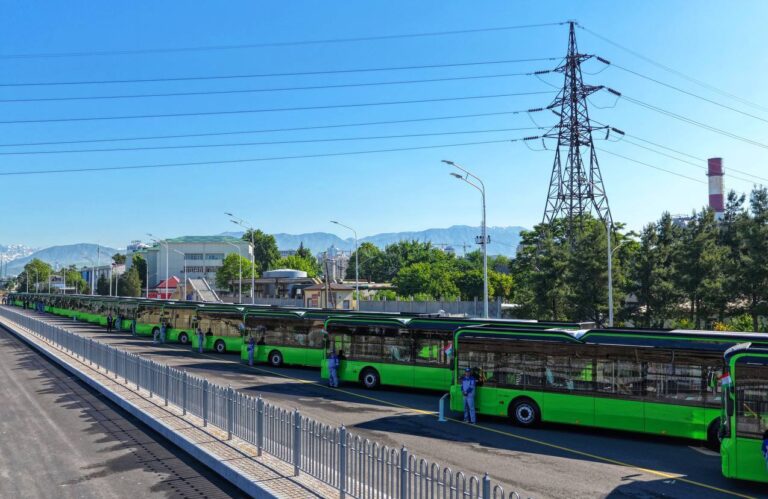
In Dushanbe, 30 more new electric buses start operating

Each is designed to carry 100 passengers and can travel up to 300 kilometers without recharging.

Who is the man who “increased the Aryan race” and told the President of Tajikistan about it?

Kozie Koziyev, a folk craftsman, built dozens of houses, participated in the construction of a mosque and a kindergarten in Matcha, raised 11 children, and created a true dynasty of builders.

Tajik leader discusses water, climate, and global security issues with UN Deputy Secretaries-General

The parties paid special attention to the "Dushanbe Water Process," parliamentary diplomacy, and the peaceful resolution of conflicts.

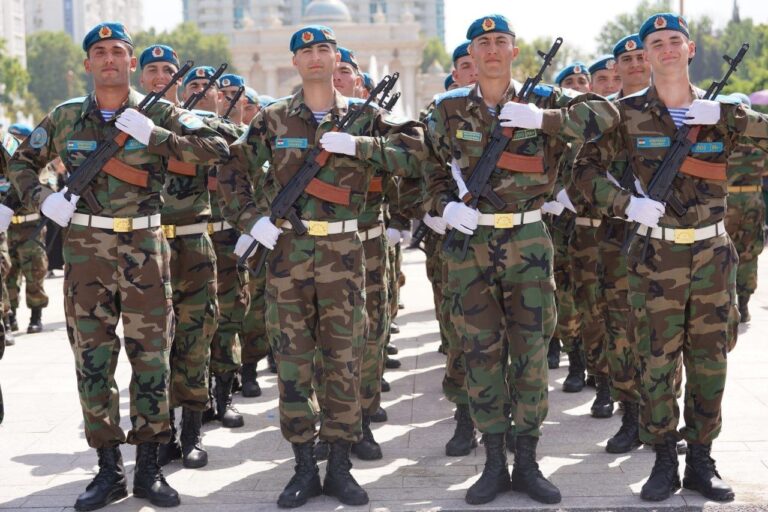
Tajikistan completes the spring military draft target ahead of schedule

There is still a week left until the end of the conscription campaign.

Custodian of non-written languages and builder of academic bridges; philologist Khusrav Shambezoda turns 70

He could have devoted himself exclusively to the study of classical heritage, but he chose the challenging path of preserving the living word — and Tajik-Russian science gained in him a brilliant sociolinguist whose name became synonymous with dedication.

Tajikistan ranks among the top three leading trade reformers in Europe and Central Asia

The country has shown progress in the digitalization of trade procedures, the reduction of paper barriers, and the enhancement of transparency for exporters.

China to send workers to Tajikistan for modernization of the Kulma BCP

This is the only land border crossing point between Tajikistan and China.