CSTO experts discuss documents regulating activity of the being formed CSTO rapid reaction force

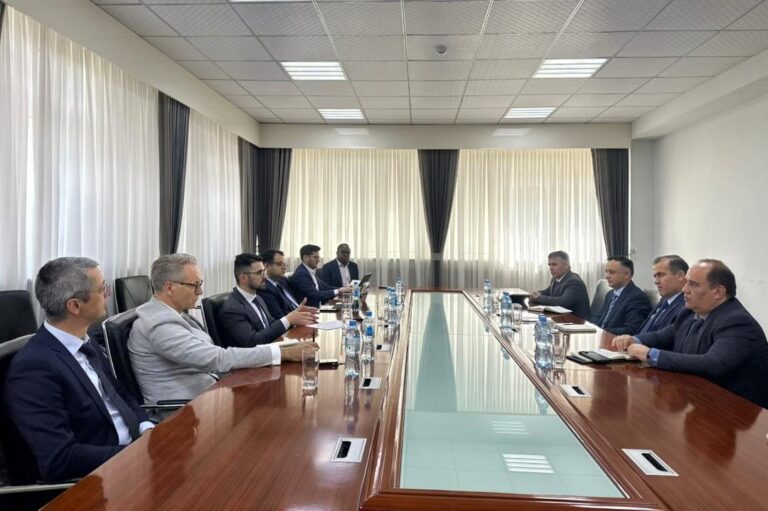
DUSHANBE, March 17, 2009, Asia-Plus  — Experts from member nations of the Collective Security treaty Organization (CSTO) have gathered in Moscow for consultations on formation of the CSTO rapid reaction force, according to press release issued by the CSTO Secretariat. For the purpose of implementing decisions made at the CSTO extraordinary summit on forming the […]

Nargis Hamroboyeva, Avaz Yuldoshev

DUSHANBE, March 17, 2009, Asia-Plus  — Experts from member nations of the Collective Security treaty Organization (CSTO) have gathered in Moscow for consultations on formation of the CSTO rapid reaction force, according to press release issued by the CSTO Secretariat.

For the purpose of implementing decisions made at the CSTO extraordinary summit on forming the CSTO rapid reaction force the working group has prepared legal documents regulating activity of the rapid reaction force.

According to the Deputy Secretary General of the CSTO Valery Semerikov, experts are expected to consider and coordinate proposals of the CSTO states on the legal documents.

We will recall that first Deputy Defense Minister also Chief the Defense Ministry General Staff, Lieutenant-General Ramil Nadyrov, told Asia-Plus in early February that most likely, Tajikistan will be represented in the rapid-reaction force of the Collective Security Treaty Organization (CSTO) by the battalion that was committed by the country to the CSTO Collective Rapid Deployment Force (CRDF) in Central Asia.

The CRDF in Central Asia consists of battalions, committed to it by Russia and Central Asian member nations of the Organization – Kazakhstan, Kyrgyzstan and Tajikistan.

The presidents of member nations of the CSTO, which groups Armenia, Belarus, Kazakhstan, Kyrgyzstan, Russia, Tajikistan and Uzbekistan, gathered in Moscow on February 4 to sign an agreement to create a joint rapid-reaction force.  Uzbek President Islam Karimov signed the pact with reservations, agreeing to commit Uzbek forces not permanently but on a mission-to-mission basis.

The force is dedicated to defend member nations against foreign military aggression; perform special operations to counter terrorism, and drug trafficking; and help in times of natural disasters. 

The current system of collective security, which is based on the regional principle, includes three  regional military groups: Russian-Belarus group (Eastern European group); Russian-Armenian group (Caucasian group); and Central Asian group. 
Join us on social media!

Article translations:

Related Article

Tenisi
Оби зулол
Оби зулол

Most Read

Коммерсбонк Точикистон

Recent Articles

Major global investment companies show interest in Tajikistan’s economy

Among them are J.P. Morgan, Loomis Sayles & Company, Morgan Stanley Investment Management, and Global Evolution.

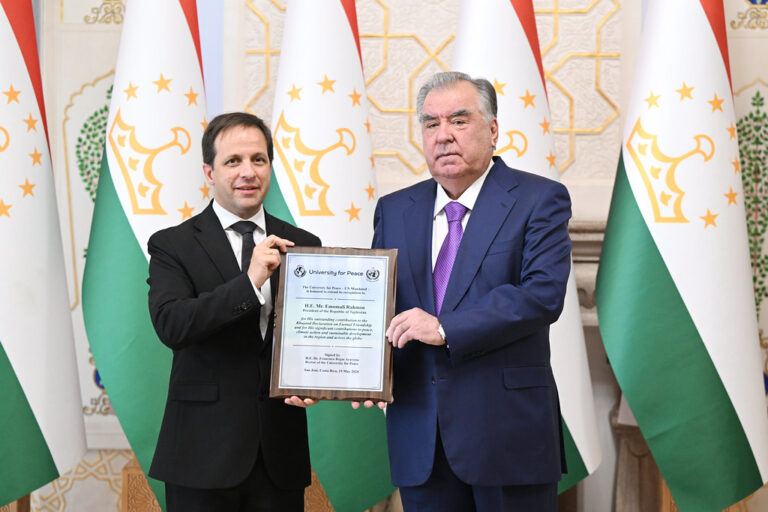
President Rahmon awarded UN University for Peace Certificate of Recognition

He is awarded for "significant contribution to establishing peace, developing regional cooperation, and strengthening mutual understanding between peoples."

Starlink satellite internet becomes available in Kyrgyzstan

And in Tajikistan, it was launched in February of this year.

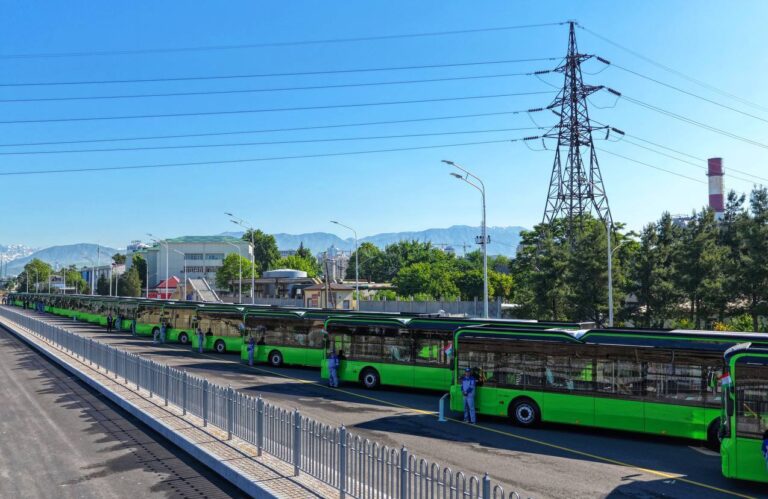
In Dushanbe, 30 more new electric buses start operating

Each is designed to carry 100 passengers and can travel up to 300 kilometers without recharging.

Who is the man who “increased the Aryan race” and told the President of Tajikistan about it?

Kozie Koziyev, a folk craftsman, built dozens of houses, participated in the construction of a mosque and a kindergarten in Matcha, raised 11 children, and created a true dynasty of builders.

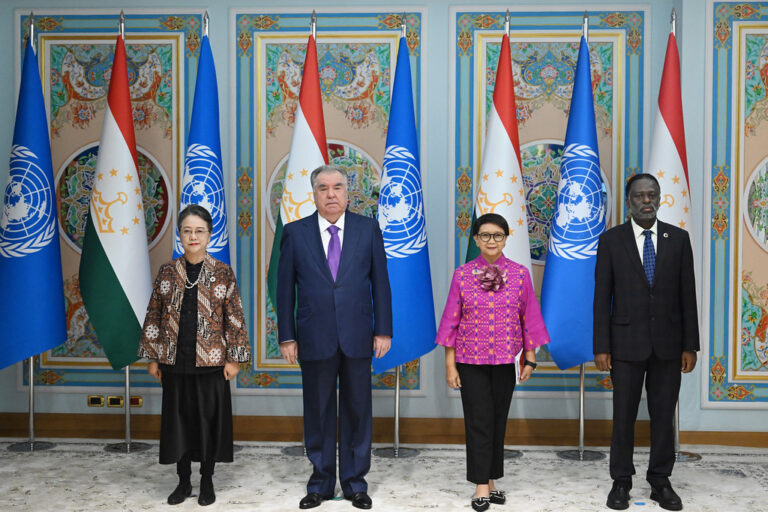
Tajik leader discusses water, climate, and global security issues with UN Deputy Secretaries-General

The parties paid special attention to the "Dushanbe Water Process," parliamentary diplomacy, and the peaceful resolution of conflicts.

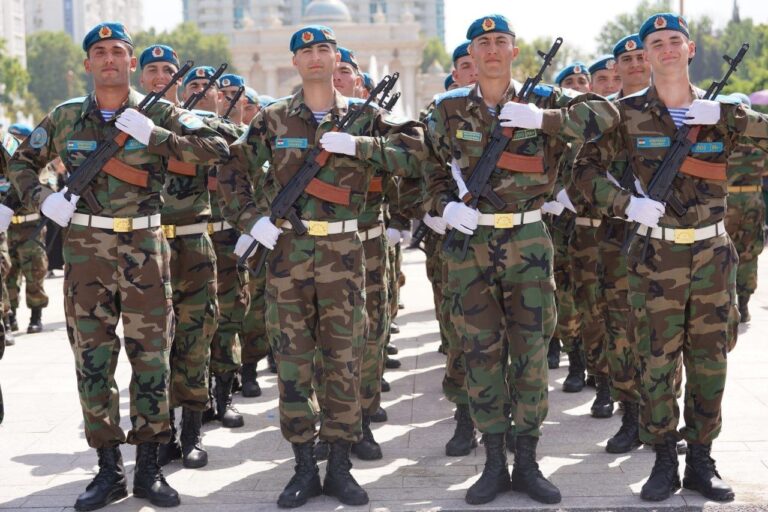
Tajikistan completes the spring military draft target ahead of schedule

There is still a week left until the end of the conscription campaign.

Custodian of non-written languages and builder of academic bridges; philologist Khusrav Shambezoda turns 70

He could have devoted himself exclusively to the study of classical heritage, but he chose the challenging path of preserving the living word — and Tajik-Russian science gained in him a brilliant sociolinguist whose name became synonymous with dedication.

Tajikistan ranks among the top three leading trade reformers in Europe and Central Asia

The country has shown progress in the digitalization of trade procedures, the reduction of paper barriers, and the enhancement of transparency for exporters.

China to send workers to Tajikistan for modernization of the Kulma BCP

This is the only land border crossing point between Tajikistan and China.