Tajik, Uzbek leaders dispute about water policy again

DUSHANBE, April 28, 2009, Asia-Plus  — After the statement delivered at an April 28 meeting of the presidents of member nations of the International Fund for Saving the Aral Sea (IFAS) by Uzbek President Islam Karimov, Tajik President Emomali Rahmon stated he would not sign the meeting’s final documents, according to Radio Liberty’s Tajik Service. […]

Avaz Yuldoshev

DUSHANBE, April 28, 2009, Asia-Plus  — After the statement delivered at an April 28 meeting of the presidents of member nations of the International Fund for Saving the Aral Sea (IFAS) by Uzbek President Islam Karimov, Tajik President Emomali Rahmon stated he would not sign the meeting’s final documents, according to Radio Liberty’s Tajik Service.

President Rahmon came out against inclusion of two items into the final document of the summit concerning use of water resources and construction of hydropower plants in the region.  According RFE/RL’s Tajik Service, those two items were included into the document at the suggestion of the Uzbek president and under them, construction of new hydroelectric power stations (HPS) should be approved by all the Central Asian nations.

While making this suggestion, President Karimov noted that the downstream countries — Kazakhstan, Uzbekistan and Turkmenistan – and the World Bank share the similar stance on that issue and they are sure that otherwise their countries may suffer.

In the meantime, Kazakh President Nursultan Nazarbayev, who asked his counterparts at the beginning of the meeting not to touch upon the problem of construction of HPS in their speeches and speak only about the Aral Sea problems, asked experts at the end of the summit not to include the mentioned items into the final document.

According to Kazakhstan’s presidential press service, the IFAS summit ended with adoption of a joint statement of the presidents of member nations of the International Fund for Saving the Aral Sea.

The Aral Sea is a landlocked endorheic basin in Central Asia; it lies between Kazakhstan (Aktobe and Kyzylorda provinces) in the north and Karakalpakstan, an autonomous region of Uzbekistan, in the south.  Once the world”s fourth-largest saline body of water with an area of 68,000 km2, the Aral Sea has been steadily shrinking since the 1960s


, after the rivers Amu Darya and Syr Darya that fed it were diverted by Soviet Union irrigation projects.  By 2004, the sea had shrunk to 25% of its original surface area, and a nearly fivefold increase in salinity had killed most of its natural flora and fauna.  By 2007 it had declined to 10% of its original size, splitting into three separate lakes.

The International Fund for Saving the Aral Sea (IFAS) is a interstate organization established by heads of Kazakhstan, Kyrgyzstan, Tajikistan, Turkmenistan and Uzbekistan in 1993 in order to fund and credit joint regional environmental and research programs and projects aimed at saving the Aral Sea and improving the environmental situation in the areas affected by the disaster as well as solving regional socioeconomic problems.
Join us on social media!

Article translations:

Related Article

Tenisi
Оби зулол
Оби зулол

Most Read

Коммерсбонк Точикистон

Recent Articles

Major global investment companies show interest in Tajikistan’s economy

Among them are J.P. Morgan, Loomis Sayles & Company, Morgan Stanley Investment Management, and Global Evolution.

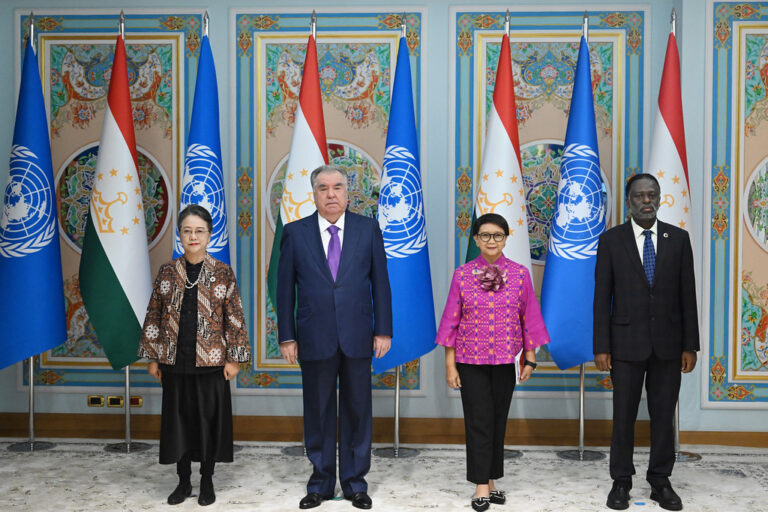
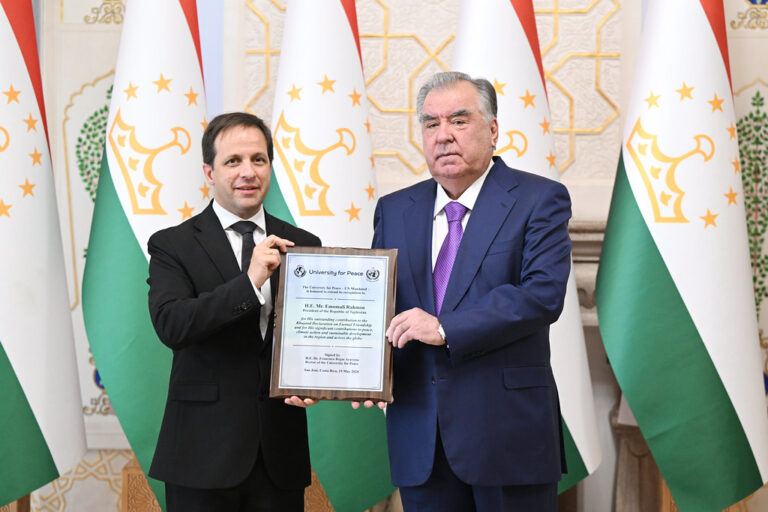
President Rahmon awarded UN University for Peace Certificate of Recognition

He is awarded for "significant contribution to establishing peace, developing regional cooperation, and strengthening mutual understanding between peoples."

Starlink satellite internet becomes available in Kyrgyzstan

And in Tajikistan, it was launched in February of this year.

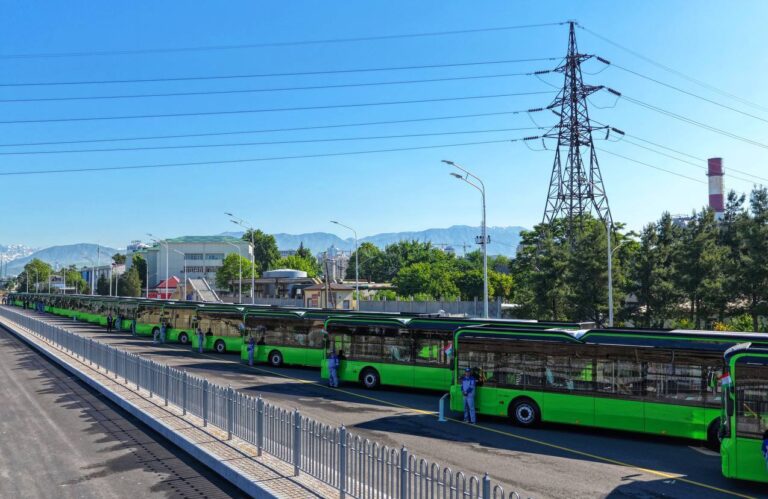
In Dushanbe, 30 more new electric buses start operating

Each is designed to carry 100 passengers and can travel up to 300 kilometers without recharging.

Who is the man who “increased the Aryan race” and told the President of Tajikistan about it?

Kozie Koziyev, a folk craftsman, built dozens of houses, participated in the construction of a mosque and a kindergarten in Matcha, raised 11 children, and created a true dynasty of builders.

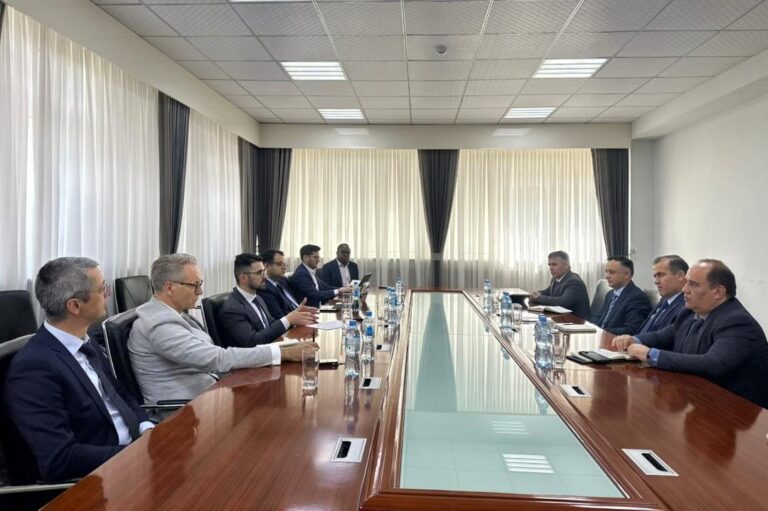
Tajik leader discusses water, climate, and global security issues with UN Deputy Secretaries-General

The parties paid special attention to the "Dushanbe Water Process," parliamentary diplomacy, and the peaceful resolution of conflicts.

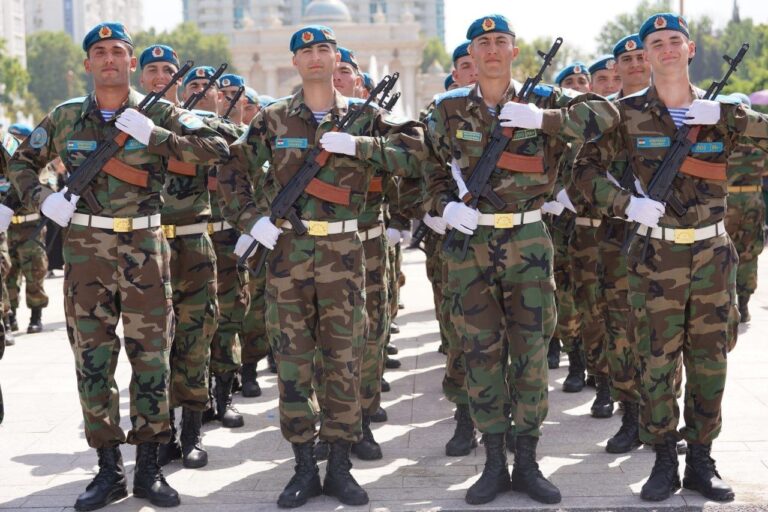
Tajikistan completes the spring military draft target ahead of schedule

There is still a week left until the end of the conscription campaign.

Custodian of non-written languages and builder of academic bridges; philologist Khusrav Shambezoda turns 70

He could have devoted himself exclusively to the study of classical heritage, but he chose the challenging path of preserving the living word — and Tajik-Russian science gained in him a brilliant sociolinguist whose name became synonymous with dedication.

Tajikistan ranks among the top three leading trade reformers in Europe and Central Asia

The country has shown progress in the digitalization of trade procedures, the reduction of paper barriers, and the enhancement of transparency for exporters.

China to send workers to Tajikistan for modernization of the Kulma BCP

This is the only land border crossing point between Tajikistan and China.