First unit of Sangtuda-2 HPP to be introduced into operation in early September

DUSHANBE, August 29, Asia-Plus  — An official introduction of the first unit of the Sangtuda-2 hydroelectric power plant (HPP) into operation will take place on September 4. We will recall that the source at the representative office of Iran’s Sangab Company in Dushanbe told Asia-Plus on Saturday (August 27) that introduction of the first unit […]

Payrav Chorshanbiyev

DUSHANBE, August 29, Asia-Plus  — An official introduction of the first unit of the Sangtuda-2 hydroelectric power plant (HPP) into operation will take place on September 4.

We will recall that the source at the representative office of Iran’s Sangab Company in Dushanbe told Asia-Plus on Saturday (August 27) that introduction of the first unit of the Sangtuda-2 HPP is postponed for at least two months.  According to him, last year’s halting of Tajikistan-bound freight cars on Uzbek territory has affected construction of the Sangtuda-2 HPP that Iran is financing and building in southern Tajikistan.

In the meantime, a source in the Iranian Embassy in Dushanbe told Asia-Plus on Monday that there are no any serious problems and “the first unit of the plant is fully made ready for introduction into operation.”

The BBC’s Tajik Service cited unnamed source in the Iranian Embassy in Dushanbe as saying that increase in prices of building materials and fuels and Tajikistan-bound cargo transit problems have affected the Sangtuda-2 project cost.  The project cost will allegedly increase by 65-70 million U.S. dollars.  The issues of additional financing of the project will be resolved, most likely, during negotiations between the leaders of both countries.  An appropriate document confirming increase in the cost of the project must be signed, the source said.

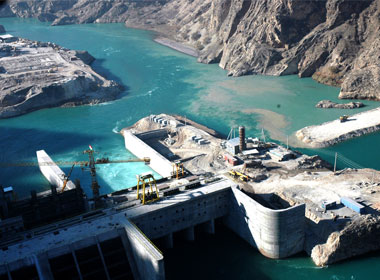
Construction of Sangtuda-2, a 220-megawatt plant on the Vakhsh River, officially commenced in February 2006.  It is located some 120 kilometers southeast of Dushanbe.  Iran has invested US$180 million and Tajikistan US$40 million in the project.  Once the power station is built, all the revenue over the next 12.5 years will go to the investor and Tajikistan will become the owner of Sangtuda-2 after this period expires.

A well-informed source told Asia-Plus on Monday that most likely, the Iranian side will insist on extending the plant-operating period from 12½ to 15 years.  “Anyway, this issue will be discussed at the level of heads of state,” he noted.
Article translations:

Related Article

Оби зулол

Most Read

Join us on social media!

Recent Articles

Mudflows and dust storms expected in Tajikistan

Citizens are urged to protect themselves from dust.

Russia doubles temporary stay duration for truck drivers from CIS and Georgia

Tajik drivers will have their term increased from 90 to 180 days a year.

How a guide dog project could help people with visual impairments in Tajikistan

In Tajikistan, there is an enthusiast who can build such a school, but he urgently needs help, primarily financial.

Wildberries opened access to the platform for all sellers from Tajikistan

Now local brands, manufacturers, and individual entrepreneurs can enter the largest online platform and expand their sales market.

CMWP Uzbekistan: The boutique hotel market in Tajikistan shows the fastest growth in the region

Such hotels in the republic offer their guests a high level of comfort and convenience.

Emomali Rahmon signs decree on increasing salaries and paying bonuses to IT sector workers

The document provides for the creation of a new incentive system for specialists in the field of information technology.

Not advertising, but influence: what was discussed at IMPACT Creative Night and why businesses need meaning today

Today, audiences trust direct advertising less and less, which means brands have to compete not for attention, but for trust and a place in the agenda.

Russia extends the experiment on collecting biometrics from foreigners

The decision was justified by the necessity of gradually modernizing all border crossing points.

“Convenient, affordable, and cheap”: Dushanbe residents speak out on raids against shared taxis

They say that late at night buses and trolleybuses disappear from the streets, so cheap route taxis remain the only way for many to get home.