DUSHANBE, March 4, 2013 Asia-Plus — No one liter of gasoline was delivered to Tajikistan by rail last month.
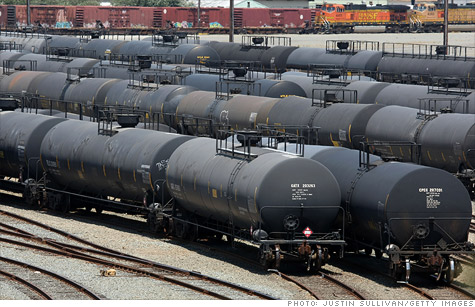
251 freight cars carrying out a total of 15,100 tons of oil products arrived in Tajikistan in February 2013. A totaled reportedly included 10,500 tons of aviation kerosene, 1,700 tons of diesel fuel, 1,109 tons of fuel oil, 109 tons of bitumen, and 652 tons of lubricating oil.
According to an official source at the Ministry of Energy and Industries (MoEI), this means that oil product suppliers are waiting for an agreement between Tajikistan and Russia on duty-free delivery o Russian oil products to Tajikistan coming into force. “The agreement is expected to come into force soon and the oil product suppliers are still fearing to buy gasoline and other oil products in Russia, because under the mentioned agreement, Russian oil products will be supplied to Tajikistan at lower prices because the export duty will be exempted,” the source said.
Meanwhile, the situation at Tajikistan’s fuel market remains stable and no gasoline price hikes have been reported. Tajikistan’s monthly requirements in gasoline fluctuates from 45,000 to 49,000 tons. According to the statistical data from the Ministry of Energy and Industries (MoEI), only 9,000 tons of gasoline were delivered to the country in January.
We will recall that Tajikistan was exempted from paying Russian tariffs on oil and gas exports from 1995-2010 and Russia cancelled Tajikistan’s tax exemption on May 1, 2010 that resulted in gasoline prices rising in the country. A sudden spike was reported in May 2011, when export duty for Russian gasoline rose 44 percent as compared with April.
On October 5 last year, the Ministry of Energy and Industries of Tajikistan and the Ministry of Energy of the Russian Federation signed a memorandum on the conditions for the delivery of Russian oil products to Tajikistan.
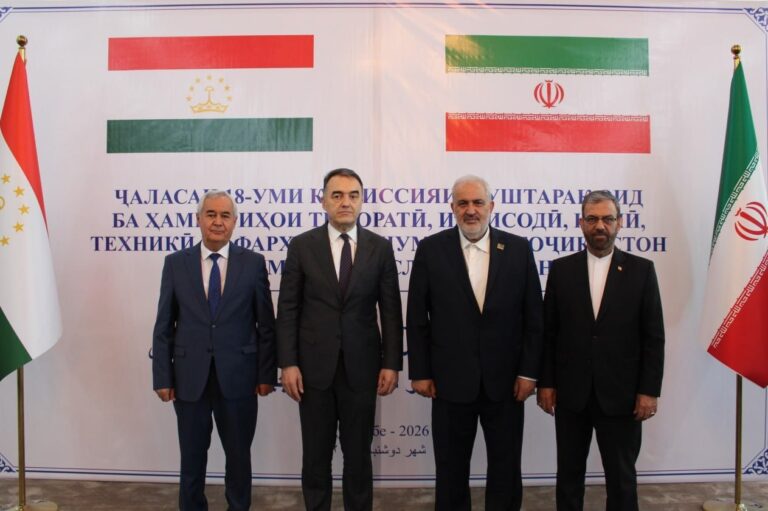
Tajik Minister of Energy and Industries Gul Sherali and Russian Minister of Energy Alexander Novak signed an agreement on duty-free Russian oil product deliveries to Tajikistan in Moscow on February 6, 2013.
Under this agreement, the sides consider and endorse the indicative fuel balance for the next calendar before October 1 of each year. Fuels delivered in addition to the indicative fuel balance will be liable to export duty.
Russian oil products delivered to Tajikistan in the volumes not exceeding those agreed on indicative balance are not subject to re-export to the third countries. This ban also applies to Russian oil products delivered to Tajikistan from other member nations of the Customs Union.
Under the indicative fuel balance endorsed for 2013, Russia will deliver one million tons of oil products with 50 percent of them being gasoline, free of duty to Tajikistan this year.
Russia now accounts for some 51 percent Tajikistan’s fuel imports. In January, an average price of one ton of Russian gasoline in Tajikistan was 1,112 U.S. dollars and export duty makes sup 30 percent of this price.