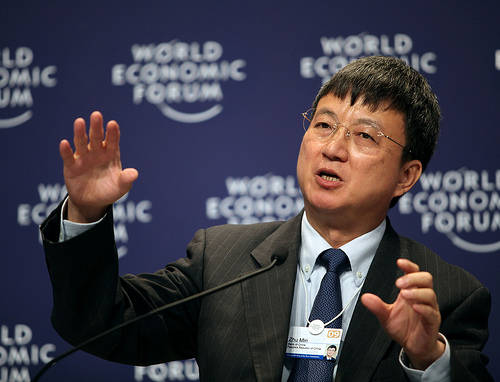
DUSHANBE, May 31, 2013, Asia-Plus – An article “The Caucasus and Central Asia: The Road Ahead” by Mr. Zhu Min, Deputy Director at the International Monetary Fund (IMF), posted on The FINANCIAL’s website on May 30 says Caucasus and Central Asia (CCA) countries are the crossroads between Asia and Europe, and have made a remarkable transition from centrally-planned to market economies over the past twenty years. But much still remains to be done if the CCA countries are to take the next step and become dynamic emerging market economies.
Lessons learnt from the transition were debated at the high-level conference, “The Caucasus and Central Asia: The Transition Journey and the Road Ahead,” in Bishkek, Kyrgyzstan, May 19-21.
The conference was jointly organized by the International Monetary Fund (IMF), the European Bank for Reconstruction and Development, the Swiss authorities, and the National Bank of Kyrgyzstan.
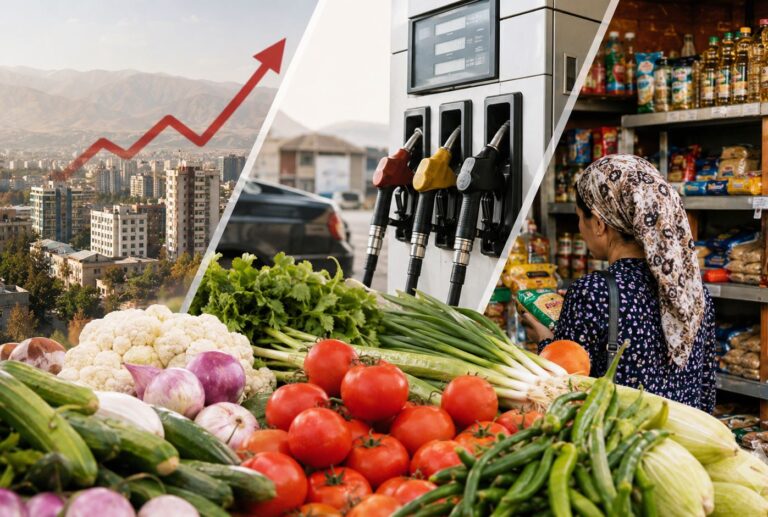
Mr. Zhu notes that CCA countries grew on average by over 7 percent during 1996 – 2011, with dynamic resource sectors and strong remittances driving this impressive growth. Policy makers in the region successfully contained inflation and reduced interest rates, and implemented budget policies that created the fiscal room for CCA countries to spend to support their economies as the effects of the global financial crisis washed across the region. According to him, financial sectors in the CCA have become somewhat deeper, and strong legal frameworks have been put in place for banking systems.
“CCA countries should seize the opportunity presented by current strong commodity prices and remittance flows to implement ambitious reforms. All at the conference agreed that continued strong growth that is less volatile, creates more jobs, and is led by the private sector could place CCA countries in the next generation of emerging market countries. The decade ahead is therefore an opportunity for CCA countries to diversify their economies and reduce their vulnerability to shocks that are transmitted through commodities and remittances. Other challenges they face in achieving their emerging market vision include underdeveloped financial sectors, still volatile inflation, insufficient fiscal room to offset future external and other shocks, vested interests that weaken transparency and accountability, and geopolitical risks.
“CCA countries must take bold steps to help offset these challenges and achieve their emerging market vision. In terms of macroeconomic policies, CCA countries can strengthen tax collection and focus spending on core government priorities—such as infrastructure and social needs—while restoring fiscal room to absorb shocks. They can allow greater exchange rate flexibility to support their international reserves and boost the competitiveness of their transforming economies.
“A breakthrough in structural reforms, including in the financial sector, is needed to drive higher private investment. Greater financial sector competition will require that governments reduce direct state interventions, apply prudential rules and banking laws evenly across all banks, and fully secure central bank independence. Deeper, more vibrant, and better regulated financial systems will be critical to supporting diversified, job-creating growth in the CCA, and for the ability of monetary policy makers to better manage shocks and inflation.
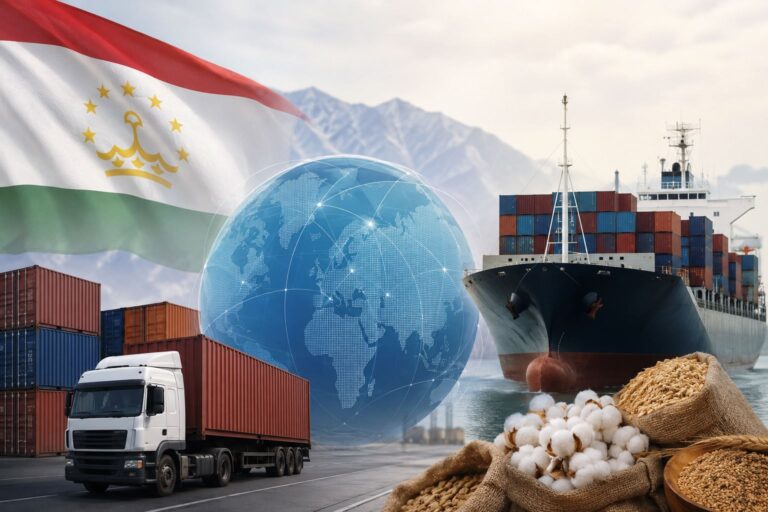
“Greater regional integration is another opportunity that CCA countries can seize to strengthen their economies. Many countries in the region have successfully found new markets in Europe and China for commodities such as oil, gas, cotton, and gold. If CCA countries can now foster greater regional cooperation to lower obstacles to intra-regional trade—and address crucial cross-border issues like transportation, energy, and water—they would provide a significant further boost to their growth prospects.
“The IMF stands ready to help CCA countries achieve their goal of becoming emerging markets and cope successfully with the challenges they face. Our assistance will come as policy advice, financial support, and capacity building efforts to help the region meet its fundamental objective of fostering high, sustained, and inclusive growth.”