DUSHANBE, December 16, 2013, Asia-Plus — Focus Humanitarian Assistance (FOCUS) recently completed its second phase of the Remote Geo-Hazards Capacity Building and Monitoring Project (Remote Hazards – II) financed by the Swiss Agency for Development and Cooperation (SDC) and UK Department for International Development, press release issued by FOCUS on December 16 said.
Last week FOCUS reportedly received a new grant from SDC to implement the “Creating Opportunities in a Safer Environment: Integrating Risk Management into Urban and Rural Development” project. The scope of this new project includes integration of remote and local hazards risk management by FOCUS and natural resource management/income generation work by Aga Khan Foundation / Mountain Societies Development Support Programme (MSDSP) in two valleys of Gorno-Badakhshan Autonomous Region (GBAO) comprising 90 communities.
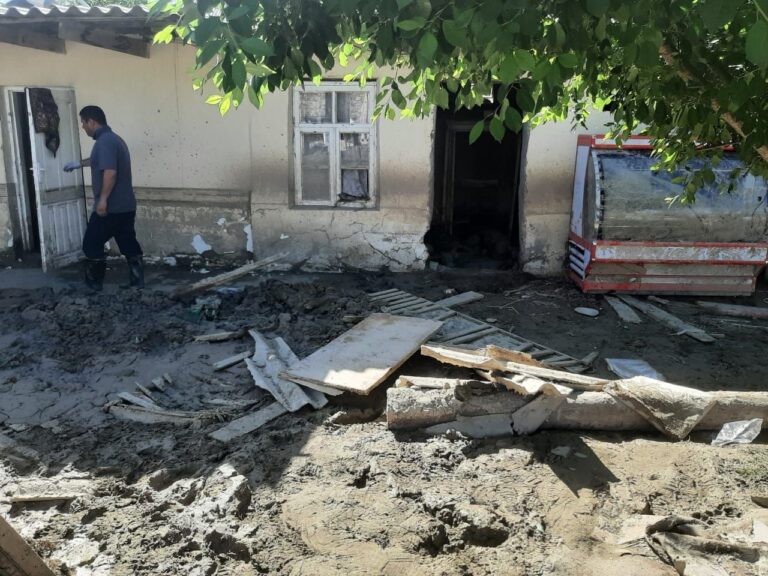
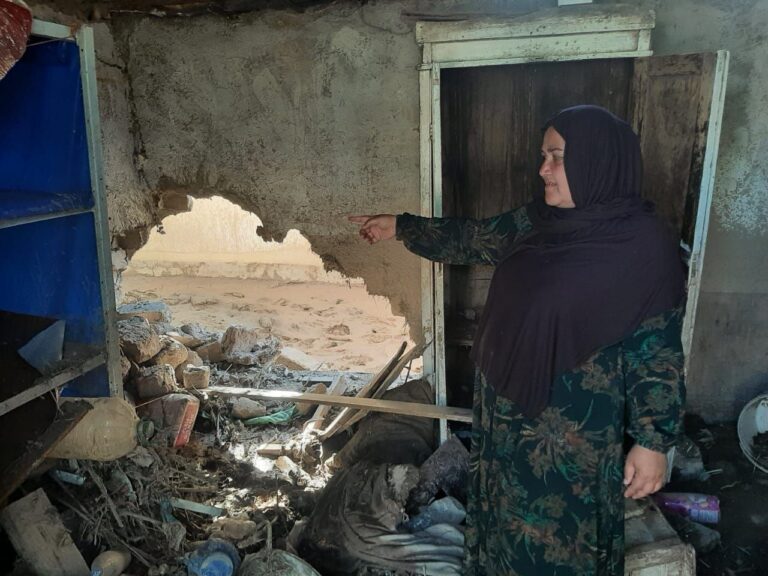
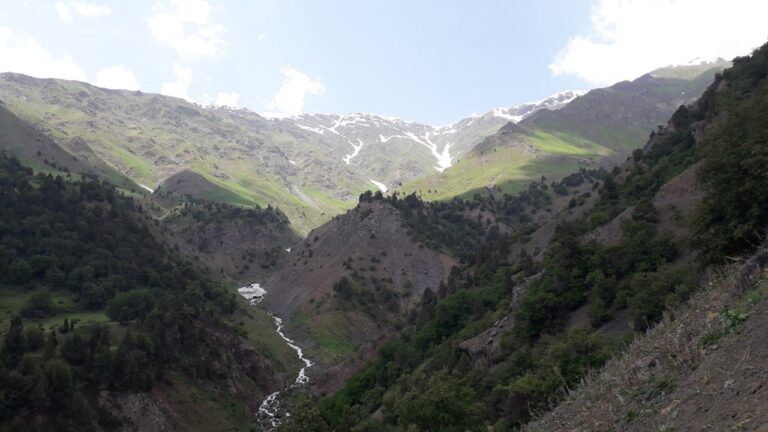
The Remote Hazards-II project was implemented in partnership with Welthungerhilfe (WHH) and the Government of Tajikistan in the three areas of Tajikistan – GBAO, Zarafshon and Jirgatol to foster disaster resiliency to the threat of Glacial Lake Outburst Flood (GLOF) to these communities. The project mainly focused on remote geo-hazards and their impact on the nearest communities and it sought to build the resiliency of 50 communities in GBAO, Zarafshon and Jirgatol, benefitting over 55,000 people directly.
Key achievements of the project included: capacity building of government partner institutions through apprenticeships, Geographic Information System and Remote Sensing training, institutional training on Remote Hazard Assessment and participation at international conferences; completion of Community Hazards and Vulnerability Risk Assessments in 50 communities in GBAO, Zarafshon and Jirgatol; community awareness raising and preparedness trainings for 46 communities; implementation of 42 community based structural risk mitigation works; installation of six Early Warning Systems to warn communities on impending disasters; installation of basic hazards monitoring tools, such as water level meter, snow gauge, thermometer, hydrometer and glass rain gauge; establishment of community pre-positioned emergency stockpiles in 10 locations for 400 Families; capacity building and equipping of 21 Community Emergency Response Groups; and aerial survey of glacial lakes and glaciers in GBAO, Zarafshon, and Jirgatol.
The project initiatives and results were presented at international conferences, regional and national workshops. The project worked in tight collaboration with government institutions including the Tajik Department of Geology, Committee of Emergency Situation and Civil Defense, Department of Hydrometeorology and target communities, thereby enhancing their self-reliance to reduce the risks against natural disasters and enable a more effective and efficient response effort.
FOCUS appreciates the support of the donors, government and other partners, who have contributed to the success of the Remote Hazards II project and is looking forward to continue to do further work to build the resiliency of the communities in Tajikistan.