DUSHANBE, October 29, 2014, Asia-Plus – The World bank report,
Tajikistan: Moderated Growth, Heightened Risks
, notes that Tajikistan’s economic growth moderated to 6.7 percent in the first half of 2014, down from 7.5 percent a year earlier, as activity slowed in almost all sectors.
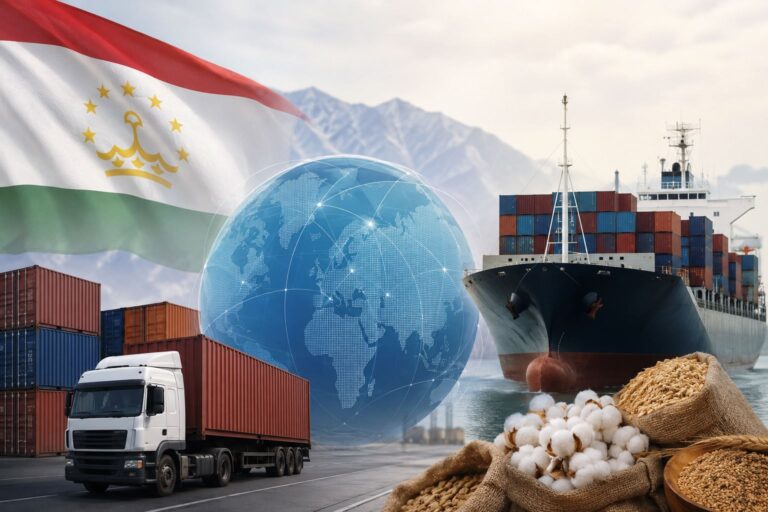
Weaker world economic growth and lower prices for cotton and aluminum adversely affected the major export-oriented industries, pushing total industrial growth below 3 percent from nearly 7 percent a year earlier.
Lower inflows of remittances, due to the slowdown in Russia, have translated into lower domestic demand and slower growth in services and housing construction. Though growth in agricultural output also moderated, due to heavy rains and low temperatures, it was still a healthy 6 percent. Fixed investment grew swiftly as the public investment program got underway.
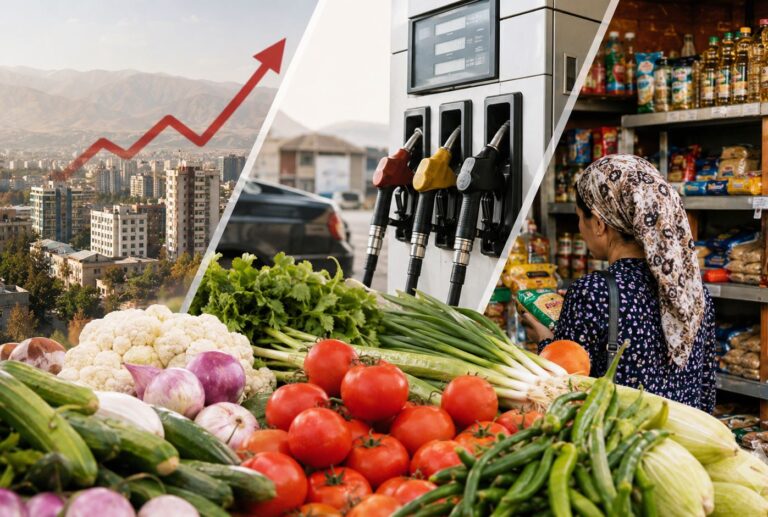
Inflation began to pick up as food prices rose and tariffs for utilities were adjusted, reaching 4.7 percent for the first half of 2014, compared with 1.6 percent a year earlier.
GDP growth is projected to ease to 6.5 percent in 2014, because of the spillover effect from the slowdown in Russia and in export sales.
According to the report, a Russian slowdown affects Tajikistan largely through remittances channels. A slackening in remittances weighs heavily on household demand, particularly demand for services and housing construction.
Inflation pressures are expected to increase, but stable global food prices should help to keep growth in inflation within a single digit. Despite slower economic growth, the fiscal deficit is projected to remain unchanged in 2014, because of higher than expected revenues from foreign trade, reforms in revenue collection, and spending restraint.
The current account deficit is projected to widen to 3.7 percent of GDP, due largely to sluggish export growth and the slowdown in remittances.
Tajikistan could potentially benefit from the Russian ban on imports of food from the West, but fragile market links, limited economies of scale, poor access to credit, and barriers to entry and expansion limit Tajikistan’s ability to benefit from increased Russian demand.
Both domestic and external risks face the country. The main risks to the near-term outlook relate to serious vulnerabilities and governance issues in the financial sector, fiscal risks from state-owned enterprises (SOEs), a slower recovery in the prices of aluminum and cotton, and a further slowdown in activity in Tajikistan’s main trading partners.
The pace and financing of large infrastructure projects are also highly uncertain. The main transmission channels through which adverse external shocks could impact the Tajikistan economy are remittances (partly because migrants may return) and external trade.
Reinforcing fiscal and external buffers will be critical to mitigating the impact of external shocks, particularly in light of Tajikistan’s strong links with Russia and other important trading partners such as Kazakhstan, Turkey, and China.
In the near-term, prudent macroeconomic policies, such as greater exchange rate flexibility, could help the country absorb any shocks.
The report notes that supported by Tajik central bank’s interventions, the Tajik national currency, the somoni (TJS), depreciated less than other regional currencies, but the scope for interventions is limited because reserves are low. The somoni had depreciated against the U.S. dollar by about 4.6 percent by mid-September 2014 (y/y), significantly less than the Russian ruble (18.1 percent) and the Kazakhstani tenge (18.6 percent).
Continued weakening of regional currencies will heighten the pressure on somoni, but at the beginning of July Tajik reserves stood at just below US$600 million, or about 1.2 months of imports of goods and services. To replenish international reserves, the National bank of Tajikistan (NBT) has converted its stock of nonmonetary gold into monetary gold—a long-awaited measure, recommended by the IMF.
The banking sector in Tajikistan worsened in 2013–14, with governance issues and enforcement of prudential regulations continuing to be of concern. Banking system indicators show a continuing deterioration in asset quality as nonperforming loans (NPLs) rose from 18 percent at yearend-2012 to 23 percent at end-2013 and 25 percent by mid-2014 (Figure 13). Moreover, actual NPLs are probably higher because loans continue to be seriously misclassified.