DUSHANBE, June 11, 2015, Asia-Plus — Developing countries face a series of tough challenges in 2015, including the looming prospect of higher borrowing costs as they adapt to a new era of low prices for oil and other key commodities, resulting in a fourth consecutive year of disappointing economic growth this year, says the World Bank Group’s latest
Global Economic Prospects
(GEP) report, released yesterday.
As a result, developing countries are now projected to grow by 4.4 percent this year, with a likely rise to 5.2 percent in 2016, and 5.4 percent in 2017.
With an expected liftoff in U.S. interest rates, borrowing will become more expensive for emerging and developing economies over the coming months. This process is expected to unfold relatively smoothly since the U.S. economic recovery is continuing and interest rates remain low in other major global economies.
However, there are considerable risks around this expectation, the report argues. Just as the initial announcement of U.S. policy normalization caused turmoil in financial markets in 2013 – now referred to as the “taper tantrum” – the U.S. Federal Reserve’s first interest rate increase, or liftoff, since the global financial crisis could ignite market volatility and reduce capital flows to emerging markets by up to 1.8 percentage points of GDP, the report says.
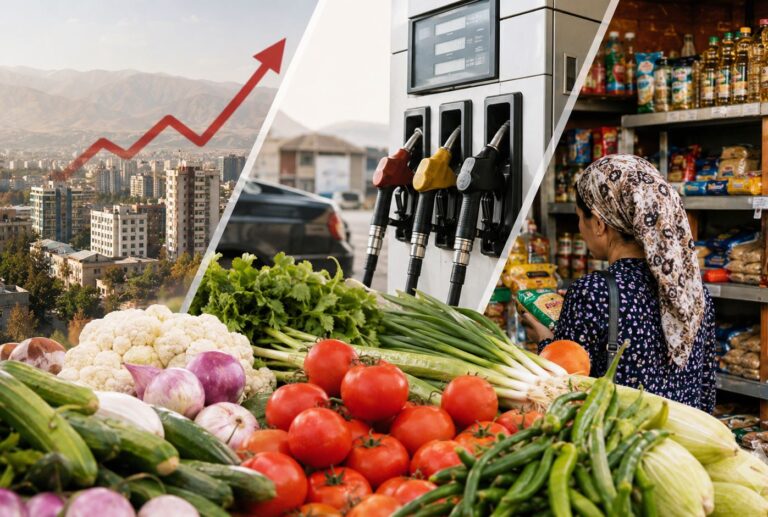
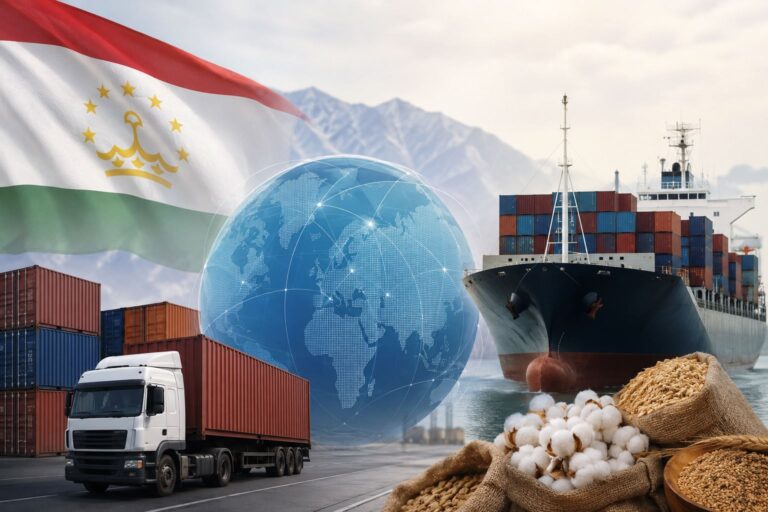
Lower prices for oil and other strategic commodities have intensified the slowdown in developing countries, many of which depend heavily on commodity exports. While commodity importers are benefiting from lower inflation, fiscal spending pressures, and import costs, low oil prices have so far been slow to spur more economic activity because many countries face persistent shortages of electricity, transport, irrigation, and other key infrastructure services; political uncertainty; and severe flooding and drought caused by adverse climate.
A special analysis in the report finds that low-income countries, many of which depend on commodity exports and investment, are vulnerable in the current environment. During the commodity price boom of the mid-2000s, their economies strengthened considerably with new discoveries of key metals and minerals, resource investment, and expanding commodity exports. The prospect, therefore, of persistently low commodity prices may persuade policy makers to steer their resources away from metals and minerals and into other national economic priorities that will drive growth instead. This puts a premium on policies to build buffers that can ease the transition and reforms that support growth in the non-resource sector.
Risks to the outlook for emerging and developing economies continue to weigh on growth. As some risks, such as the possibility of persistent stagnation in the Euro Area and Japan, have receded, new ones have emerged. Coinciding with the expected rise in U.S. interest rates, positive credit ratings for emerging markets are fading, especially in oil exporting countries, risks of financial market volatility are increasing, and capital flows are declining. An excessive appreciation of the U.S. dollar could curtail the recovery in the world’s largest economy, with adverse side-effects for U.S. trading partners around the world.
Growth in the Europe and Central Asia (ECA) region is expected to weaken further to 1.8 percent in 2015 as the oil price collapse, geopolitical tensions, and related spillovers, including from Russia, are only partly offset by a moderate recovery in the Euro Area.
In Russia, a 2.7 percent contraction this year is expected to be followed by a moderate recovery in 2016 supported by policies that are shifting the economy to a lower oil price environment. Assuming a slight rise in oil prices in 2016-17, no further deterioration in the geopolitical situation, and continued macroeconomic stabilization policies in major economies, regional growth is expected to strengthen to 3.5 percent in 2016-17.