DUSHANBE, July 5, 2016, Asia-Plus – An article “Tajikistan: Retailers Face Giant Bank Card Fines” that was posted on
EurasiaNet.org’s
website on July 4 notes that Tajikistan’s banking regulators are forcing retailers and restaurants to accept payment by bank card against the threat of fines of up to $1,000 in the latest wheeze to compensate for the lack of cash in circulation.
A National Bank decree that came into effect on July 1 reminds businesses that under a law adopted in December 2014, shops covering an area larger than 40 square meters need to have card processing terminals installed.
Entities liable to be fined have until next January to come into line with the rules.
While it might be desirable for business out in the regions to transition toward cashless transactions, if not just to help develop the country’s weak banking sector, there is clearly an ulterior motive at play, the article says. Developments in recent days, which have seen banks suffer fresh liquidity problems, reportedly suggest this is in fact a desperate, last-ditch measure to wean people off reliance on hard cash. Both the country’s largest banks — Tojik Sodirot Bonk (TSB) and Agroinvestbonk — are both experiencing trouble getting hold of enough money to hand out to desperate clients, according to the article.
The article says that at a press conference back in January, National Bank official Lola Salimova said that that more than 60-70 percent of transactions in Tajikistan are done in cash, which she described as a high-risk position. Salimova said the intense reliance on hard cash left the country vulnerable to the unbridled development of a shadow economy and that it was difficult for the authorities to know how much money is in circulation. That is exactly how most people prefer it, however, given that extortion by government officials is the order of the day.
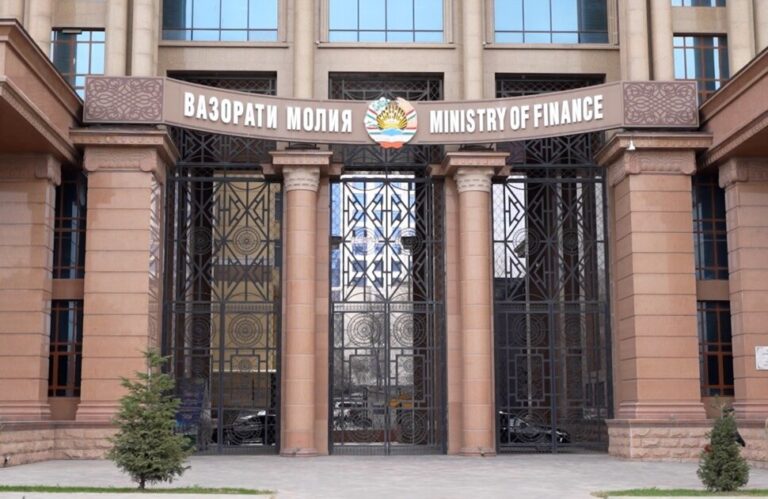
“We eventually plan to introduce non-cash transactions into the small and medium business sector. For that we need to provide incentives together with the tax committee, so that the private sector and citizens would be tempted to go that way. We will also likely use administrative methods,” Salimova said, evidently referring to the rules and fines now being put into force. “As they say, we will use the carrot and stick.”
Over the past year, the NBT has adopted a range of harsh measures to constrain the operations of the money exchange business as a way of preventing devaluation of the somoni. In March, a law was adopted that made illegally exchanging money punishable by between three and nine years in jail, depending on the sum of money in question. A month before, the National Bank decreed that rubles sent home through wire services by migrant laborers in Russia could only be collected in somoni. And in December, all private money exchange points were forced into closure, so that only banks or entities affiliated to them could carry out currency exchange operations.