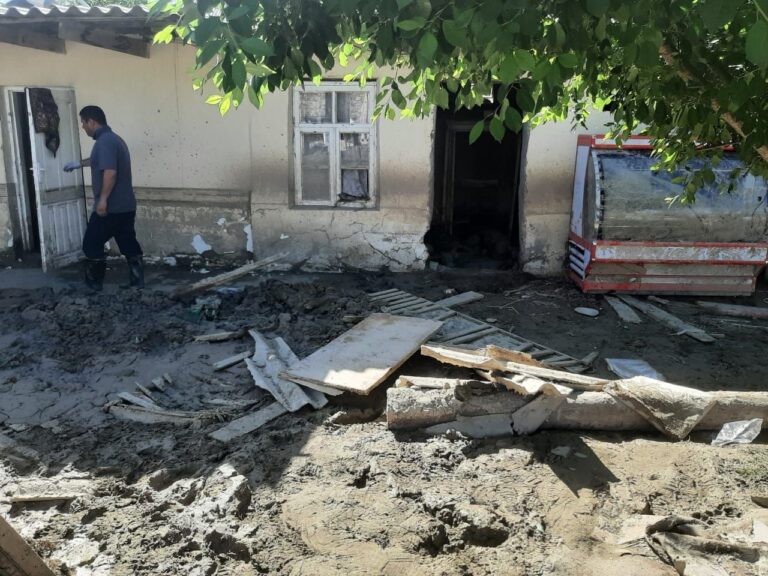
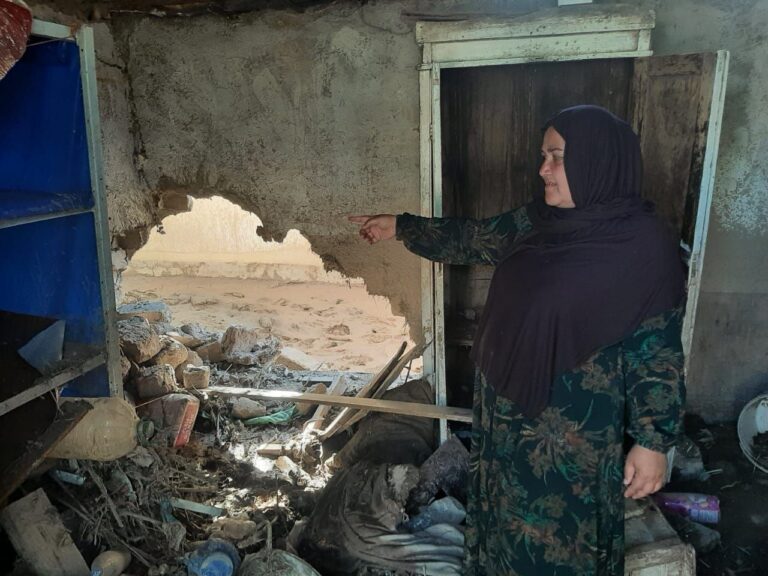
DUSHANBE, July 13, 2016, Asia-Plus – Recent development in the Central Asia and South Caucasus region has been impressive. Fewer people live in poverty and many more have improved their lives. However, the increasingly negative impact of disasters, such as earthquakes, floods and drought, is placing much of this progress at risk. Disasters are already costing Central Asia and the South Caucasus dearly. Thousands of lives and billions of dollars have been lost over the past decade.
A meeting of the Regional Platform for Disaster Risk Reduction for Central Asia and South Caucasus (CASC) took place in Dushanbe on July 12.
UNFPA Country Office in Tajikistan says the Deputy Prime Minister of Tajikistan, ministers from Tajikistan and high-level officials from Armenia, Azerbaijan, Kazakhstan, Kyrgyzstan, Turkmenistan, and Uzbekistan met to strengthen their regional cooperation to better protect these development gains.
They were reportedly joined by Dr. Robert Glasser, the Special Representative of the UN Secretary-General for Disaster Risk Reduction as well as other senior delegates from various development sectors and partners, including international organizations.
According to the UN Office for Disaster Risk Reduction (UNISDR), the CASC Regional Platform for DRR is being followed by a two day Training of Trainers Program: ”Guidance on Planning and Implementation of the Sendai Framework for DRR”. The ToT aims to strengthening understanding of the Sendai Framework for DRR and develop capacity on how to use tools proposed by UNISDR to identify gaps and develop action plans to align policies and plans for implementation, as well as to support the advancement of capacity development initiatives for DRR and resilience building in the countries of the CASC region.
The proposed Regional Platform for Disaster Risk Reduction for Central Asia and South Caucasus (CASC) aims to: discuss and agree on policy guidance and support required for effective planning and implementation of the Sendai Framework for Disaster Risk Reduction in the region; at the national and regional levels; take stock and assess the status of implementation of Sendai framework for Disaster Risk Reduction at the national and regional levels, update and identify areas for priority action; facilitate planning and implementation with guidance, training, capacity enhancement and support required in the region through partnerships, guidance for resource mobilization; discuss plans of action, commitments, benchmarks and indicators of progress at the national and regional levels; and support the contribution and learning of the CASC region, inform and build on the global and regional platforms, policy forums and guidance processes, including Asia Ministerial Conference for DRR (AMCDRR), the Worldwide Initiative for Safe Schools (WISS), Global Platform for DRR, and the UN Plan of Action on DRR for resilience.
The Sendai Framework for Disaster Risk Reduction 2015-2030 was endorsed as the global guidance for resilience building to disasters at the Third UN World Conference on Disaster Risk Reduction (WCDRR) held in March 2015, attended by 187 states.
The Sendai Framework provides the way forward to prevent and reduce disaster risk. It offers a solution to saving lives, livelihoods and assets as well as for reducing the fiscal burden on governments to bail-out the aftermath of failed ‘development’. The Sendai Framework’s primary focus on stronger risk management is one of the key elements that binds together the whole 2015 Sustainable Development Agenda. Its implementation, addressing a broad scope of both natural and man-made hazards and related environmental, technological and biological hazards, will substantially lower the level of disaster risk and losses. Under the leadership of national governments and embracing all actors at all levels, the Sendai Framework is a means to protect the economic, physical, social, cultural and environmental assets of people, communities, businesses and countries.