The ongoing analysis of the quality of assets of Tajik banks can reveal new capitalization needs. This will cost the budget additional costs, according to World Bank analysts.
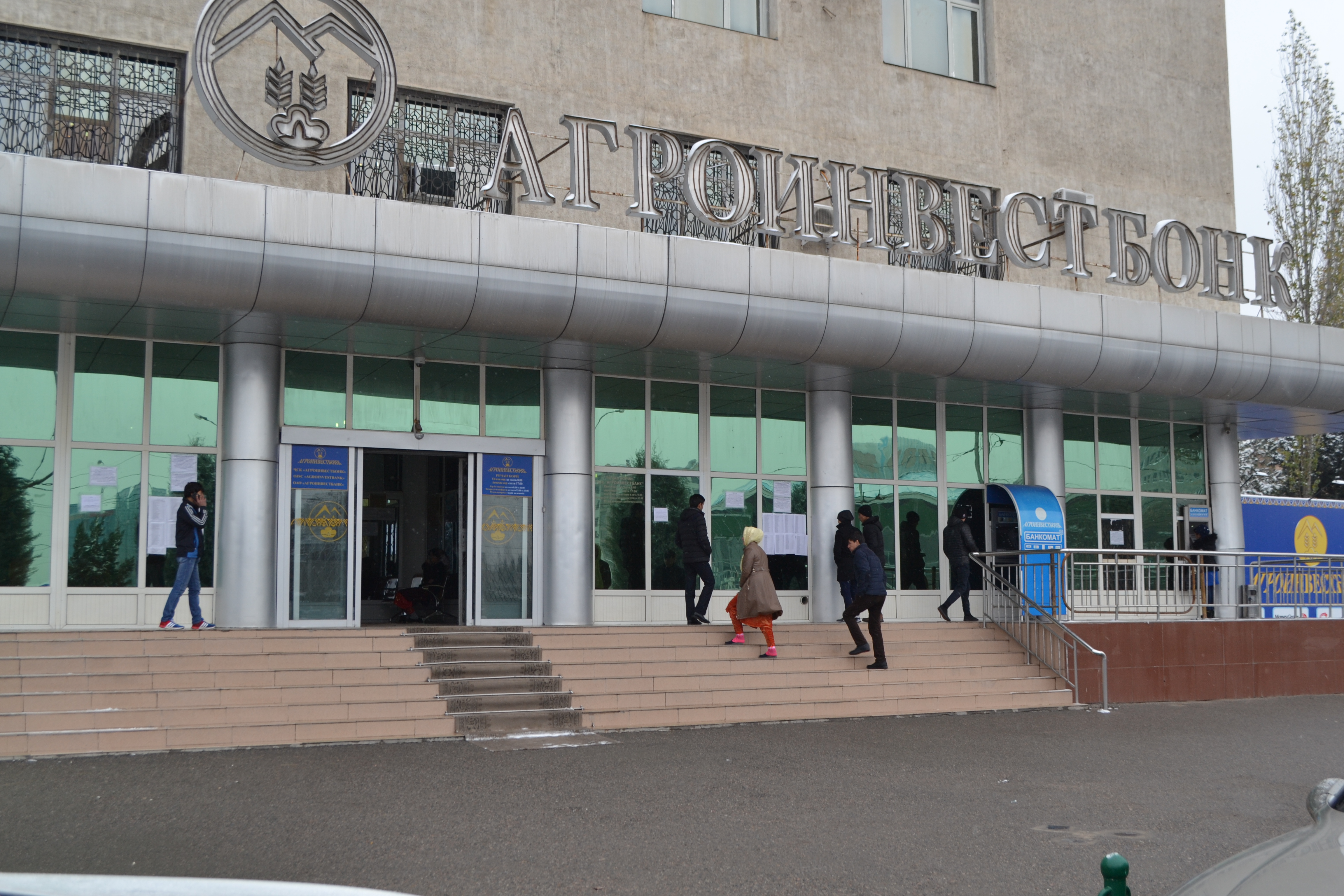
They note that after the recapitalization of two banks (Agroinvestbank and Tojiksodirotbank), the capital adequacy ratio rose sharply from 6% in September 2016 to 15% at the end of the year.
"Despite the fact that the infusion of liquid funds through emergency assistance has strengthened the liquidity indicators, its distribution throughout the system remains uneven due to the weaknesses of the interbank market," the World Bank report "Tajikistan: Confident growth with ambiguous prospects" says.
The report emphasizes that the first signs of the crisis of 2016 in the financial sector were evident as early as 2013, when the ratio of non-performing loans unexpectedly doubled to 15.9%, compared to 8% in 2010-2012.
"Risks associated with improper lending practices, including direct lending and unsatisfactory risk management, have been further exacerbated by deficiencies in corporate governance and low levels of capitalization in key banks," the authors notes.
They believe that the beginning of the economic recession in Russia in 2014-2016 aggravated the situation ""Simultaneous decline in the volume of remittances has led to a reduction in private consumption and a minimal marginal profit in the domestic market. As a result, the quality indicators of banks' assets deteriorated rapidly, and non-performing loans increased from 25% in 2014 to 54% by the end of 2016. The declared aggregated capital adequacy ratio of the banking system almost halved from 22.1% in 2013 to 11.5% at the beginning of 2016" – The report said.
It is noted that the inability of banks to fulfill both their prudential and operational obligations led to the fact that the regulator (the National Bank of Tajikistan) appointed temporary administrators for "Phononbank" in January 2016, and for "Tajmobank" and "Tochiksodirotbank" in May 2016."Despite serious problems, the attitude towards "Agroinvestbank" was condescending, a temporary administration was not appointed to this bank" – The report stresses.
It is recalled that the term of these temporary administrators was extended several times, because at the end of 2016 and early 2017 decisions were made regarding the recapitalization or liquidation of banks.