Public debates are a dialogue platform for discussing Tajikistan’s extractive sector

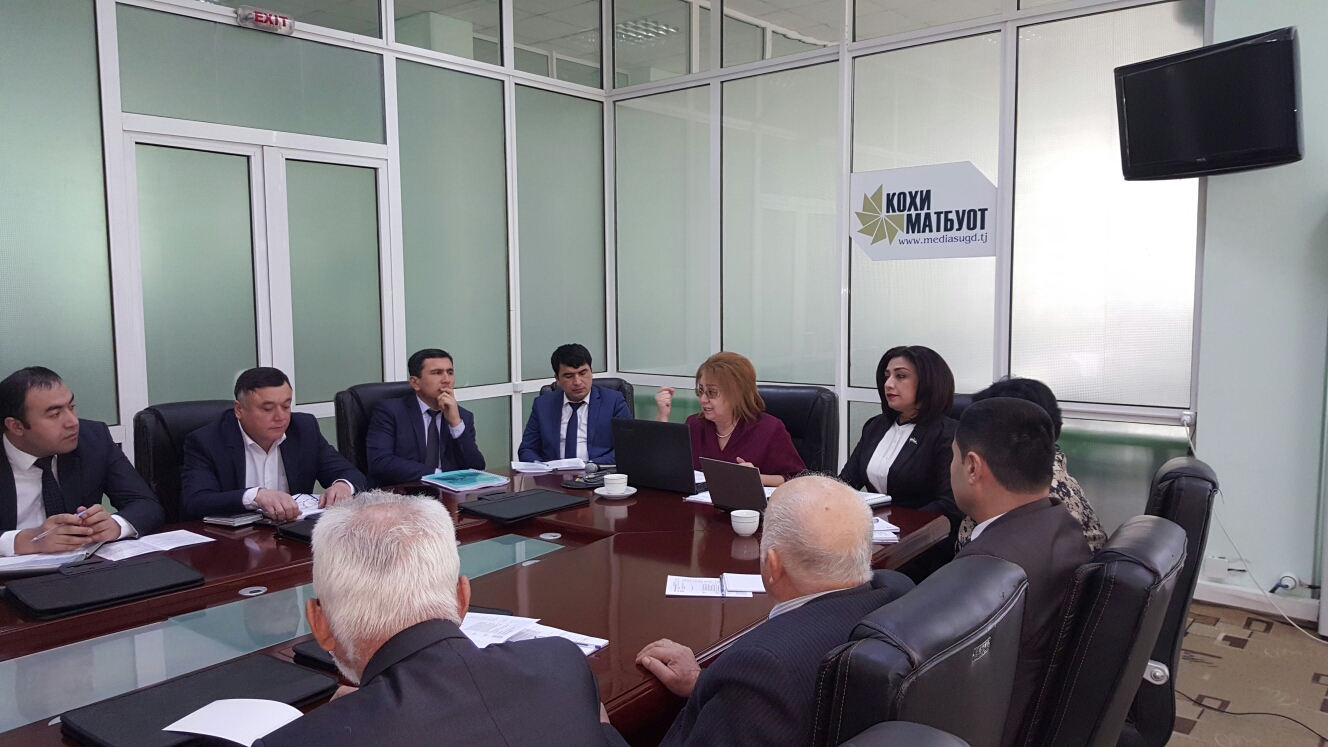
The Coalition of Civil Society Organizations “Transparency for Development and Tajikistan’s EITI Council are continuing the process of discussion of the Second National Report on Implementation of the Extractive Industries Transparency Initiative (EITI) in Tajikistan (2015-2016) with representatives of the public and interested sides.  Similar public debates have already been conducted in Khujand and Kulob.  […]

The Coalition of Civil Society Organizations “Transparency for Development and Tajikistan’s EITI Council are continuing the process of discussion of the Second National Report on Implementation of the Extractive Industries Transparency Initiative (EITI) in Tajikistan (2015-2016) with representatives of the public and interested sides. 

Similar public debates have already been conducted in Khujand and Kulob.  Regional administrators and representatives of mining companies as well as local non-government organizations (NGOs) and media participated in those debates.  

Recall, the International EITI Board approved Tajikistan’s application for EITI Candidate status at its meeting in Oslo on February 26, 2013.  As an EITI Candidate country, Tajikistan had to disclose payments from its extractives sector, and meet all the requirements in the EITI standard within 2½ years to become EITI Compliant.

The Extractive Industries Transparency Initiative (EITI) is an international organization, which maintains a standard, assessing the levels of transparency around countries’ oil, gas and mineral resources.

EITI Standard is implemented in 46 countries. It consists of a set of requirements that governments and companies have to adhere to in order to become recognized as “'EITI Compliant.”  EITI is unique in terms of bringing together representatives from three different groups – private sector, civil society and Government – to work together, through the verification and full publication of company payments and government revenues from oil, gas, and mining.

Rich in natural resources, Tajikistan’s extractive sector is relatively undeveloped. Tajikistan has more than 400 deposits of gold, silver, zinc, lead, mercury, tin, uranium, oil, gas, precious stones and other minerals.  It hosts one of the largest silver deposits in the world, the Bolshoi Konimansour deposit.    The country places hopes on future development of extractive industries and uses EITI to attract foreign investment. 

Join us on social media!

Article translations:

Related Article

Оби зулол
Tenisi
Оби зулол

Most Read

Коммерсбонк Точикистон

Recent Articles

RZD announces the restoration of passenger services between Moscow and Dushanbe

Direct rail services between the capitals of Russia and Tajikistan were suspended in March 2020 due to the COVID-19 pandemic.

#AP30/Stories. “Selam! Heller nichek?” How Tatars live today in Sughd province

On the 30th anniversary of "Asia-Plus," we continue to publish reports that remain relevant even after years. This story was told in 2021, and since then, little has changed in the life of the Tatar community in Tajikistan.

15,000 cameras, drones, and robots: how technology monitors pilgrims in Mecca and Medina

During Hajj 2026, Mecca and Medina were under unprecedented digital control.

Another child in Dushanbe removed from family and sent to boarding school

The Ministry of Internal Affairs reports that the parents did not pay adequate attention to the child.

Emomali Rahmon instructs to address issues in seed production following criticism of the industry

Issues have been noted with certification, seed quality, and the material and technical base of the industry.

Water, climate, and a $130 billion deficit: seven key outcomes of the Water Conference in Dushanbe

At the forum, countries and international organizations discussed new mechanisms for cooperation, investments, and technologies that are essential for addressing the global water crisis.

Eskhata Bank introduces a new generation children’s wallet

"Eshkata Bank" has created a full-fledged digital platform that helps children aged 7 to 16 learn how to manage money.