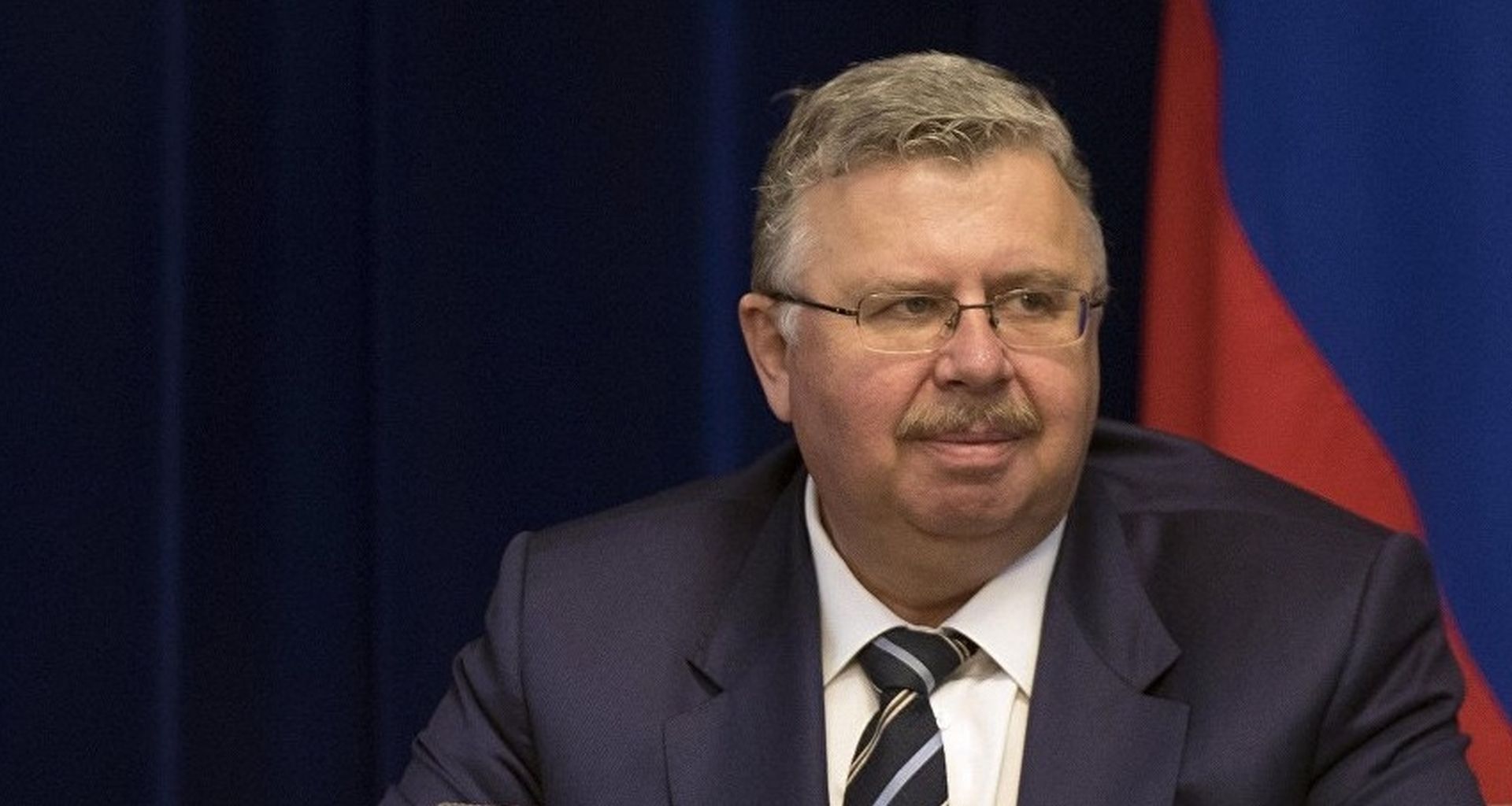
Chairman of the Board Head of the Eurasian Development Bank Andrey Belianinov sees the reason for the unstable activity of some Tajik banks with the provision of loans to unreliable individuals.
In his opinion, the problem of Tajik banks is that "they work more on concepts, and not in fact". And the banks, the head of the EDB noted on the margins of the first Eurasian media congress in Kazakhstan, are big finances, serious deals and huge responsibility.
"Money should not be given to someone's nephew, but a reliable legal entity", – said the head of the EDB Andrey Belianinov.
In 2016, a number of Tajik banks were faced with an acute shortage of financial resources, in connection with which they were unable to fulfill their obligations to customers.
Such problems, in particular, appeared with the two system banks of the country – "Tajiksodirotbank" and "Agroinvestbank", which up to the present survive due to the aid rendered by the government in the beginning of last year for a total amount of 3 billion 320 million somoni.
Two more relatively small banks of the country – "Tajprombank" and "Fononbank" in February last year lost their licenses. At the moment, the process of liquidation of these two banks continues.
Banks did not do their own thing
Mixing of personal business with banking activities and provision of large loans to familiar people earlier the leadership of the National Bank of Tajikistan named the main reasons preventing the banking system of the country from functioning normally.
However, in the problem banks themselves they also admit that they were provided without preliminary analysis to dubious persons, as well as relatives and acquaintances on the security of property that is incomparably lower in value. Nevertheless, attempts to attract long-term investments by these banks from international financial institutions, which was one of the conditions for the government to provide financial assistance, failed.
One of the reasons for the current plight of banks, one of the Tajik bankers, who wished to remain anonymous, calls interference in their activities by the authorities.
«Over the years, banks on behalf of the government issued targeted loans to particular sectors of the economy, although under the law this did not have any right. In addition, the banks themselves were forced at their own expense to build hotels, holiday homes, shops and even apartment buildings», – he said.
The source explained that the banking profit is formed mainly due to the difference in interest on deposits attracted and loans granted.
In other words, he stressed, relatively successful banks were forced to engage in a literal sense not their own business.
“At the same time, of course, hardly anyone thought that, by directing the deposited funds of depositors not for their intended purpose, the bank thus puts itself under attack”.