Trucks with Tajik cargo are still in Turkmenistan. They are not released. They say, for political reasons.
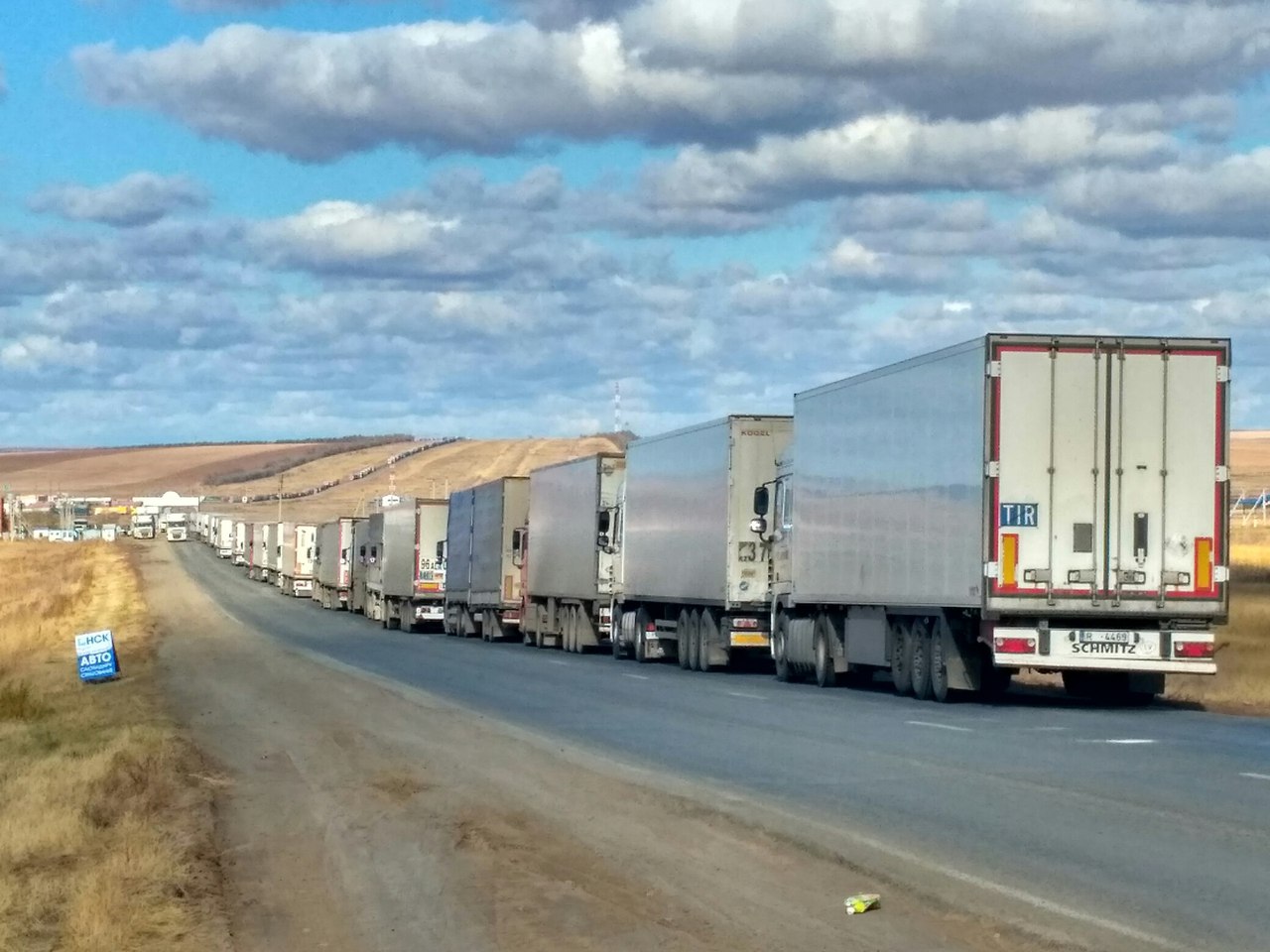
Trucks with Tajik cargo have been standing on the Iran-Turkmen and Turkmen-Uzbek border for almost two weeks now. Turkmen side does not allow trucks to pass through its territory.
The official structures of Tajikistan refrain from providing any information about the problem that has arisen. We tried to get a comment in the Ministry of Foreign Affairs of the country, the press service promised to answer us, but didn’t.
Meanwhile, the Ministry of Transport of Tajikistan recommends that truck drivers use the territory of Azerbaijan. It is offered to get to the city of Baku, and from there through the Caspian Sea by ferry to the Kazakh port of Aktau. Further advised to move through the territory of Kazakhstan and Uzbekistan to Tajikistan. «This route is more long compared with the road Turkmenistan-Uzbekistan-Tajikistan, but at the moment there is no other way out», – according to the Ministry of Transport.
Political tinge
Meanwhile, a source in the relevant Tajik agencies on condition of anonymity said that the Ministry of Foreign Affairs of Tajikistan received a response from the Turkmen side, in which the delay in trucks linked to security issues:
In fact, the ban on the movement of vehicles with Tajik cargo through Turkmenistan may have a political coloring.
Tajikistan declares its preferences regarding the use in the future for transit of its cargoes of the territory of Uzbekistan, which is currently in a warm relationship. This might not please the Turkmen authorities, – suggested the source.
He stressed that only vehicles with cargo destined for Tajikistan or exported from our republic are not allowed to pass through the Turkmen border.
– Cars with cargoes of other countries without any delays are passed to the territory of Turkmenistan, – the source noted.
Tajik political scientist also said on condition of anonymity that the reason for the ban for Tajik citizens could be as unexpected as, indeed, the prohibition itself.
– I thought about this issue, and only one thing occurred to me: not long ago an elderly woman, a Turkmen citizen, died in front of the Tajik embassy in Ashgabat. She was standing in line for two weeks to issue a document for her son, who was supposed to go to study in Tajikistan, – says the political scientist. – Nervous, lost consciousness and then died. There have been many reports that the cause of the tragedy, and just such large queues before our embassy in this republic is the usual corruption. Turkmenistan is an archaic state, and given their mentality, I would not be surprised if the current situation with our trucks caused a kind of revenge for that tragedy, and by the time everything is the same.
Freight carriers suffer losses
Meanwhile, hundreds of trucks are waiting for the solution of the problem on the Iran-Turkmenistan border, and dozens more on the Turkmen-Uzbek.
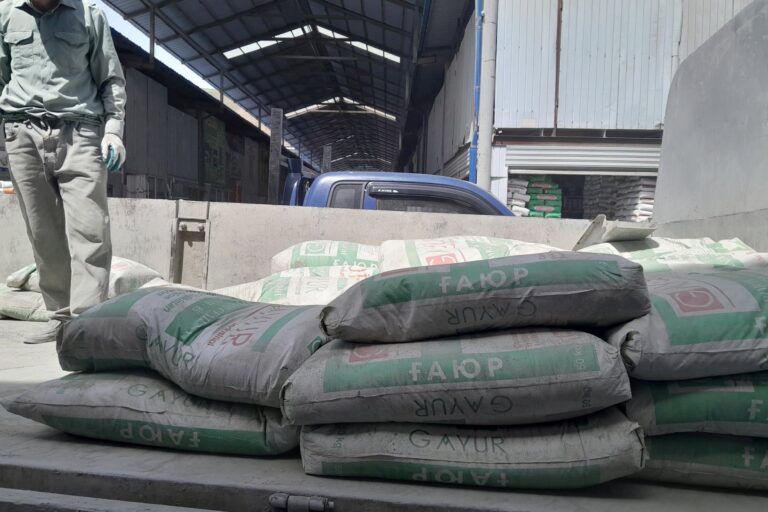
According to Khairullo Abidov, the head of the cargo transportation company “Real Trans”, four vehicles of this company with construction materials and other cargoes were stuck in the territory of Iran, and two more, on the territory of Uzbekistan.
– The Ministry of Transport proposes to travel through the territories of Azerbaijan and Kazakhstan. But it will cost us too much. We have concluded contracts with suppliers and recipients of goods, and accordingly, we receive the amounts specified in the contracts. The company can not afford the extra costs.
Abidov noted that in order to find out the reasons for the problem, he appealed to the Embassy of Turkmenistan in Tajikistan.
– However, they could not tell us anything specific, they said that this issue is in the competence of the customs department of Turkmenistan, – said Abidov. – Meanwhile, freight carriers and drivers suffer both moral and material damage. Each driver spends at least $ 30 a day for parking and food. Plus damage from late delivery of goods, costs with the extension of visas and other documents. The damage is great, but we can only wait and hope.