The Board of Directors of the Asian Development Bank (ADB) has approved a $41.18 million grant to rehabilitate and expand climate-resilient water supply and sanitation infrastructure to improve the delivery of urban services in the southeast area of Dushanbe. The project is ADB’s first urban sector project in Tajikistan.
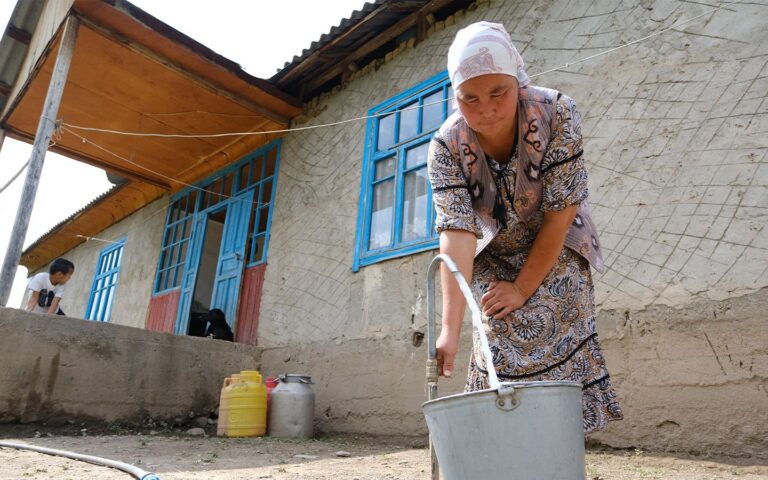
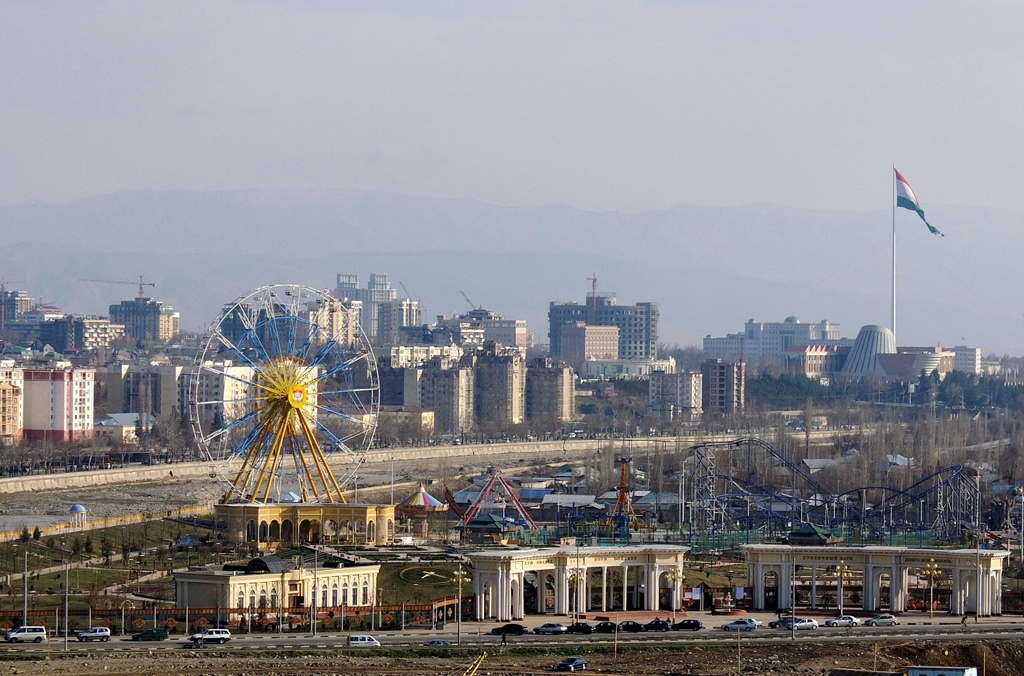
Dushanbe, the capital city of Tajikistan, has an official population of 820,000, and is expected to grow as more rural migrants move to the city. Unplanned expansion of the city, especially in the southeast area, has increased stress on urban services, especially ageing water supply and sanitation systems. In some parts of the city, water is only available for 4 to 8 hours per day and water pressure is low. About 60% of the city’s water supply is nonrevenue, meaning it is lost through theft or leaks in the system. Water wastage and consumption is also high due to low tariffs and a limited understanding of water as a resource. The main sewerage facility, meanwhile, overflows into surrounding land causing contamination, which results in waterborne diseases.
“The project will directly benefit 100,000 people through improved water supply and 352,000 people through improved sewerage,” said ADB Senior Urban Development Specialist Ms. Ramola Naik Singru. “The project will develop a sustainable model for water supply and sanitation that we hope can be applied across the city. The improvements will contribute to better living conditions and good health of the people.”
The project will rehabilitate and expand climate-resilient water supply and sanitation infrastructure in the southeast of Dushanbe, establishing 18 district metering areas and installing a new network management system with smart water meters for nonrevenue water management and efficient water usage. The project will rehabilitate wells, pumps, chlorination, and other facilities at Kafernigan I water treatment plant, improve distribution network in selected district metering areas, and rehabilitate the south sewage collector.
The project will also help in developing a sustainable business model and strengthen institutional capacity of the State Unitary Enterprise Dushanbevodokanal, and pilot a behavior change component for raising public awareness on water usage and the benefits of smart meters.
ADB is celebrating 20 years of development partnership with Tajikistan in 2018. To date, ADB has approved over $1.6 billion in grants, concessional loans, and technical assistance to the country. ADB and Tajikistan’s development partnership, which began in 1998, has restored and built the country’s new transport and energy infrastructure, supported social development, expanded agricultural production, and improved regional cooperation and trade.
ADB is committed to achieving a prosperous, inclusive, resilient, and sustainable Asia and the Pacific, while sustaining its efforts to eradicate extreme poverty. Established in 1966, it is owned by 67 members—48 from the region. In 2017, ADB operations totaled $32.2 billion, including $11.9 billion in cofinancing.