The Board of Directors of the Asian Development Bank (ADB) has approved a $10 million grant to help Tajikistan prepare and respond to natural hazards and climate change, and reduce the impact of disasters on the people.
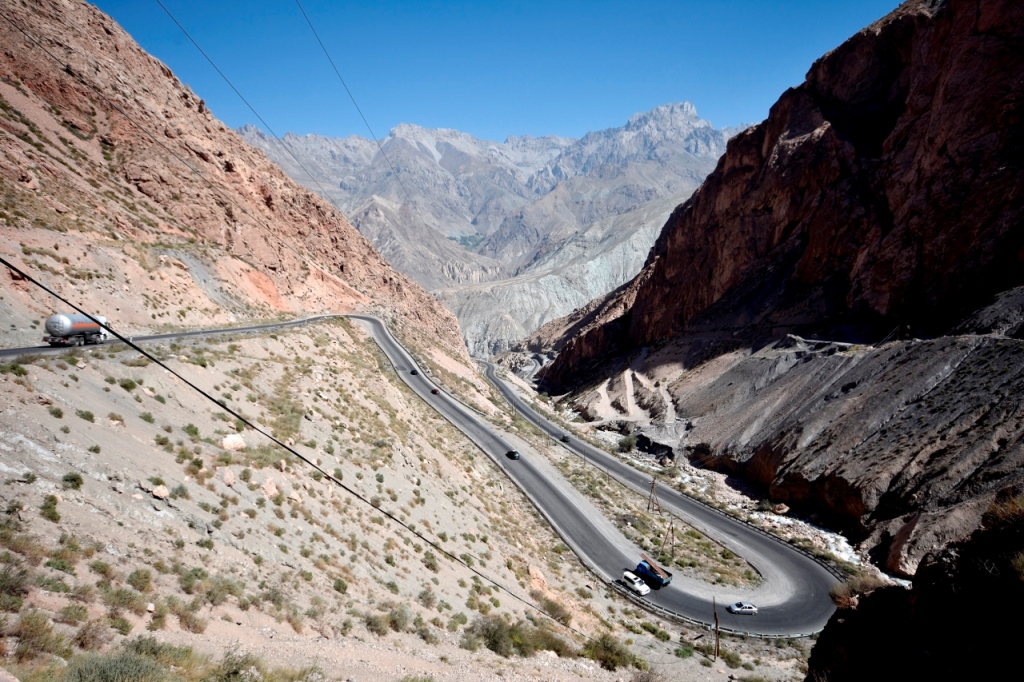
Almost three-quarters of Tajikistan’s population live in rural areas that are prone to earthquakes, avalanches, mudflows, landslides, and flash floods. Changing climatic conditions, weak disaster management planning and capabilities, and limited financing have increased the likelihood that people will continue to be affected, either through loss of life or injury, or through economic loss.
“Poor people are particularly exposed to natural hazards,” said ADB Project Administration Unit Head in Tajikistan Mr. Raza Farrukh. “They often live in the most vulnerable areas and when disaster strikes they have no safety nets to help them through the crisis. The result for the households is they slip further into poverty and, for Tajikistan, development gains are eroded, lowering long-term productivity and growth.”
This project will support the government’s efforts to mainstream disaster risk management in development planning. It will implement disaster risk modeling as well as prepare national hazard and disaster risk maps and inventory of assets at risk. The project will also establish an integrated disaster management information system and early warning system; prepare and implement an institutional strengthening plan and a 5-year business plan for the Committee of Emergency Situations and Civil Defense, the project’s executing agency; and provide disaster risk management training to government staff and communities in districts and cities at high risk.
Dam-break analysis and flood modeling of the Sarez Lake will be conducted as part of the project, while an upgrade and expansion of its monitoring and early warning system as well as an inventory of glaciers will be prepared. The project will also help develop a 9-year investment plan (2022–2030), along with recommendations for a viable financing mechanism for disaster management to ensure sustainable financing and long-term engagement of the government and development partners in addressing disaster challenges in the country.
The total cost of the project is $11 million, with the Government of Tajikistan providing $1 million. The project is expected to be completed in 2024.
ADB is celebrating 20 years of development partnership with Tajikistan in 2018. To date, ADB has approved over $1.6 billion in grants, concessional loans, and technical assistance to the country. ADB and Tajikistan’s development partnership, which began in 1998, has restored and built the country’s new transport and energy infrastructure, supported social development,