Tajik, Russian national payment systems reach agreement on intersystem integration

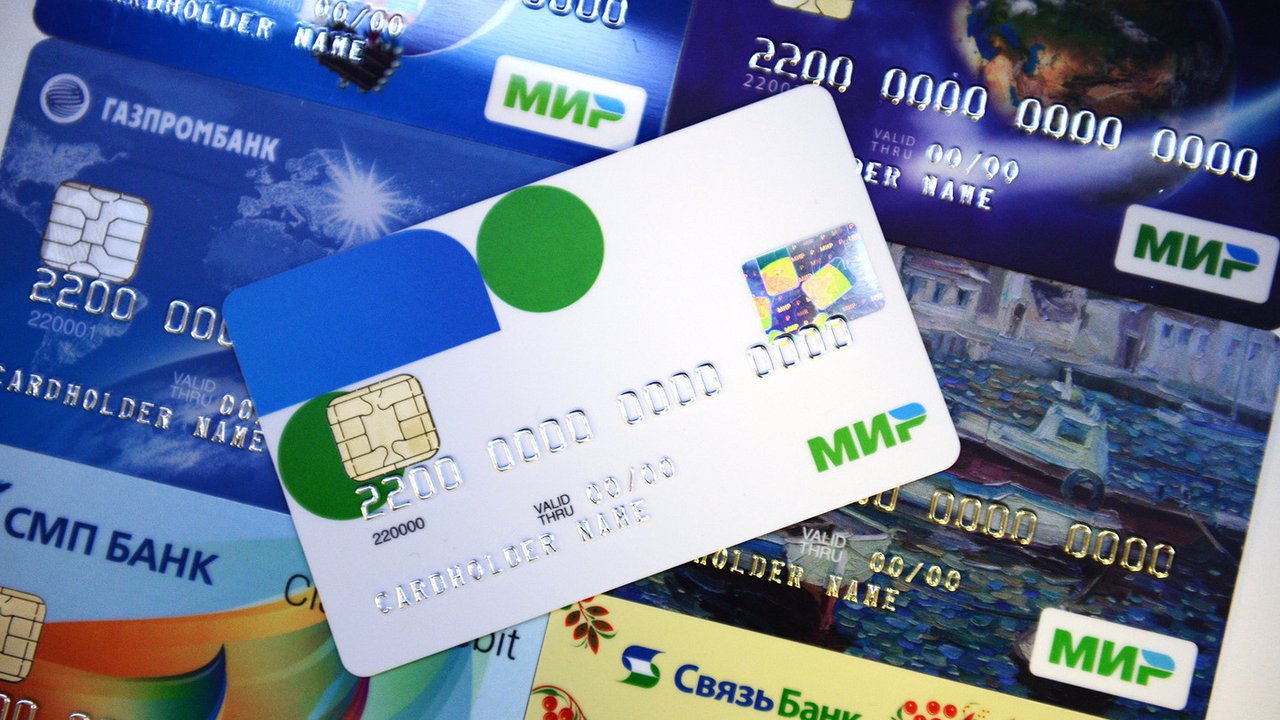
Tajikistan’s Amonatbonk (savings bank) and Russia’s Joint Stock Company (JSC) National Payment Card System (operator of the national payment system Mir) signed a roadmap on integration of the payment systems Mir of Russia and Korti Milli (National Card) of Tajikistan. The document was inked here on November 12 by Ruhullo Hakimzoda, Chairman of Amonatbonk and […]

Tajikistan’s Amonatbonk (savings bank) and Russia’s Joint Stock Company (JSC) National Payment Card System (operator of the national payment system Mir) signed a roadmap on integration of the payment systems Mir of Russia and Korti Milli (National Card) of Tajikistan.

The document was inked here on November 12 by Ruhullo Hakimzoda, Chairman of Amonatbonk and Vladimir Komlev, Director General of JSC National Payment Card System.  

The national payment systems of Tajikistan and Russia – Korti Milli and Mir – agreed to provide mutual service of their payment cards in infrastructures of participating banks. 

Cooperation between the national payment cards of Tajikistan and Russia aims to promote further extension of ties between the two countries and strengthening of the national payment and the national currencies of both nations, according to the Amonatbonk press center.   

The wok on integration of the payment systems of Korti Milli and Mir I expected to be completed before the end of 2019.    

Mir is a national payment system established by the Central Bank of Russia by the law adopted on May 1, 2017.  The system is operated by The Russian National Card Payment System, a wholly owned subsidiary of the Central Bank of Russia.

The system was devised in 2014 as a way to overcome potential blocks of electronic payments, after several Russian banks were denied services by US-based Visa and MasterCard because of the sanctions regime against them.  The first cards working on the Mir system were launched in December 2015.  Sberbank (savings bank), Russia's leading bank, started issuing them in October 2016.  By the end of 2016, 1.76 million Mir cards had been issued by 64 banks, rising to 37 million by June 2018.


C

Join us on social media!

Article translations:

Related Article

Оби зулол
Оби зулол
Tenisi

Most Read

Коммерсбонк Точикистон

Recent Articles

RZD announces the restoration of passenger services between Moscow and Dushanbe

Direct rail services between the capitals of Russia and Tajikistan were suspended in March 2020 due to the COVID-19 pandemic.

#AP30/Stories. “Selam! Heller nichek?” How Tatars live today in Sughd province

On the 30th anniversary of "Asia-Plus," we continue to publish reports that remain relevant even after years. This story was told in 2021, and since then, little has changed in the life of the Tatar community in Tajikistan.

15,000 cameras, drones, and robots: how technology monitors pilgrims in Mecca and Medina

During Hajj 2026, Mecca and Medina were under unprecedented digital control.

Another child in Dushanbe removed from family and sent to boarding school

The Ministry of Internal Affairs reports that the parents did not pay adequate attention to the child.

Emomali Rahmon instructs to address issues in seed production following criticism of the industry

Issues have been noted with certification, seed quality, and the material and technical base of the industry.

Water, climate, and a $130 billion deficit: seven key outcomes of the Water Conference in Dushanbe

At the forum, countries and international organizations discussed new mechanisms for cooperation, investments, and technologies that are essential for addressing the global water crisis.

Eskhata Bank introduces a new generation children’s wallet

"Eshkata Bank" has created a full-fledged digital platform that helps children aged 7 to 16 learn how to manage money.