The Asian Development Bank (ADB) has approved a $35 million grant to reconnect Tajikistan’s electricity system to the Central Asian Power System (CAPS) through interconnection with the Uzbekistan system, according to the ADB Tajikistan Resident Mission (TJRM).
This will help expand regional energy trade and improve regional energy efficiency among countries connected to CAPS.
ADB, through the Central Asia Regional Economic Cooperation (CAREC) program, actively promotes regional power trading among central Asian countries and the expansion of power exports to Afghanistan and Pakistan from the region.
An interconnected power system in central Asia will benefit all countries, optimize power use, enhance regional energy efficiency and reduce greenhouse gas emissions.
CAPS is a regional electricity transmission network created during the Soviet Union era, and its operation today is coordinated among Uzbekistan, Kazakhstan, the Kyrgyz Republic and Tajikistan. In recent decades, power exchange within CAPS has been in progressive decline, and Tajikistan’s disconnection from Uzbekistan in 2009 limited the effectiveness of an interconnected CAPS. But the signing of a power trade agreement to restart the electricity trade between the two countries in March this year is a step forward for a renewed regional energy network.
“This project will enable Tajikistan to export summer surplus electricity to Uzbekistan and allow for more efficient use of regional energy resources,” said ADB Finance Specialist Mr. Yuki Inoue. “This re-connection signifies a major step towards a full parallel operation with Uzbekistan’s electricity system and CAPS.”
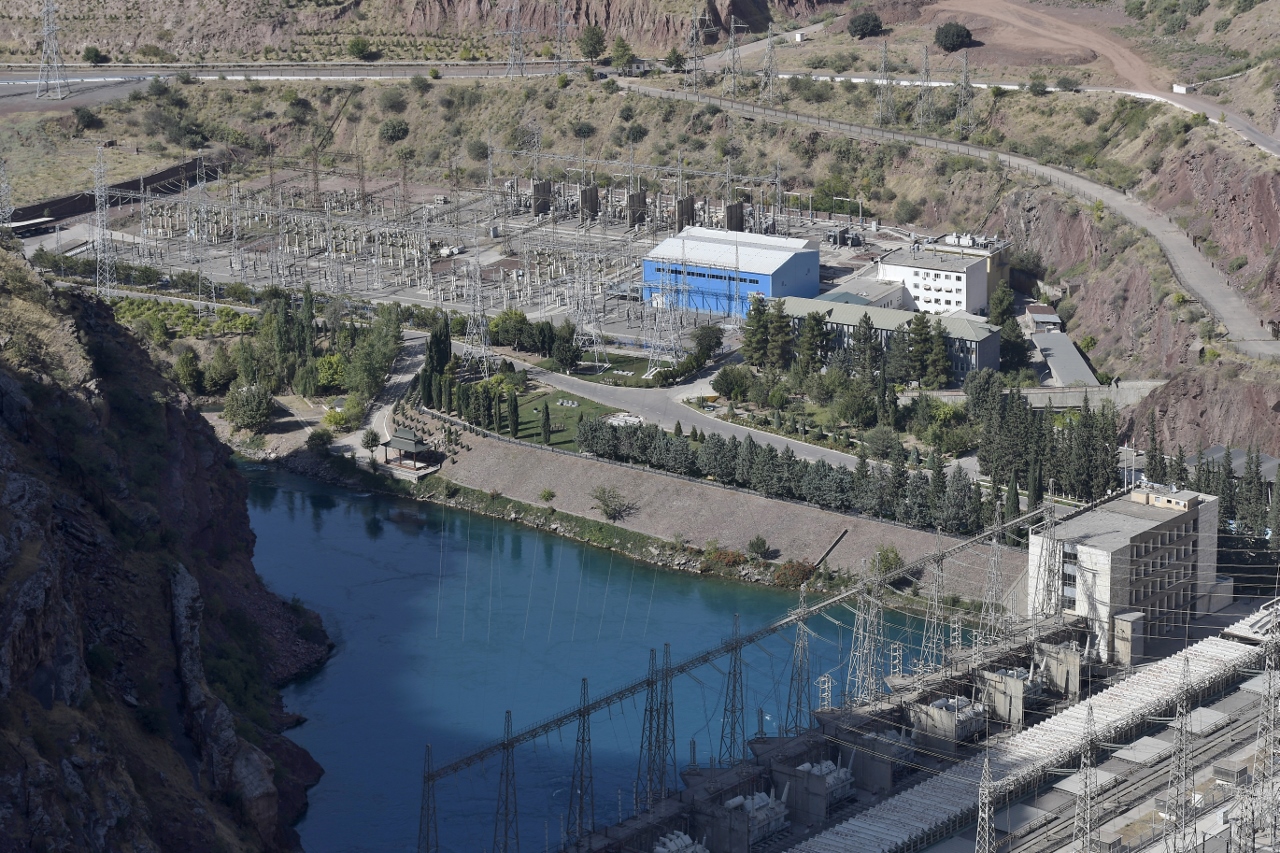
The project will install and upgrade modern relay protection equipment for synchronizing Tajikistan and Uzbekistan’s electricity systems, expand interconnection points, and strengthen Tajikistan’s capacity for stable parallel operation.
The total cost of the project is $40 million, with the Government of Tajikistan providing $5 million. The project is expected to be completed in 2022.
ADB is celebrating 20 years of development partnership with Tajikistan in 2018. To date, ADB has approved around $1.7 billion in grants, concessional loans, and technical assistance to the country. ADB and Tajikistan’s development partnership, which began in 1998, has restored and built the country’s new transport and energy infrastructure, supported social development, expanded agricultural production, and improved regional cooperation and trade.
Established in 1966, ADB is owned by 67 members—48 from the region. In 2017, ADB operations totaled $32.2 billion, including $11.9 billion in cofinancing.