The Asian Development Bank (ADB) on January 9 approved a $4.5 million cluster regional technical assistance grant to support an increase in regional power trade in Central Asia Power System (CAPS) and explore potential reconnection of Turkmenistan to CAPS and its further expansion to Afghanistan, according to press release issued by ADB.
An increased regional power trade is expected to improve regional energy security and reduce carbon footprints of meeting the regional power demand.
Power trade among Central Asian countries has reportedly declined dramatically since the collapse of the Soviet Union in 1991. First in 2003, Turkmenistan disconnected from CAPS and then in 2009, Tajikistan was disconnected from CAPS. As a result, compared to 25,413 million kilowatt hour (kWh) traded in CAPS in 1990, the traded energy volume declined to 2,080 million kWh in 2016. This had caused widespread power outages notably in Tajikistan in winter and resulted in increased fossil fuel use by Kazakhstan, Turkmenistan, and Uzbekistan in the summer mainly because hydropower surpluses from Tajikistan were not available to CAPS. Tajikistan has since reconnected to Uzbekistan and to CAPS in March 2018.
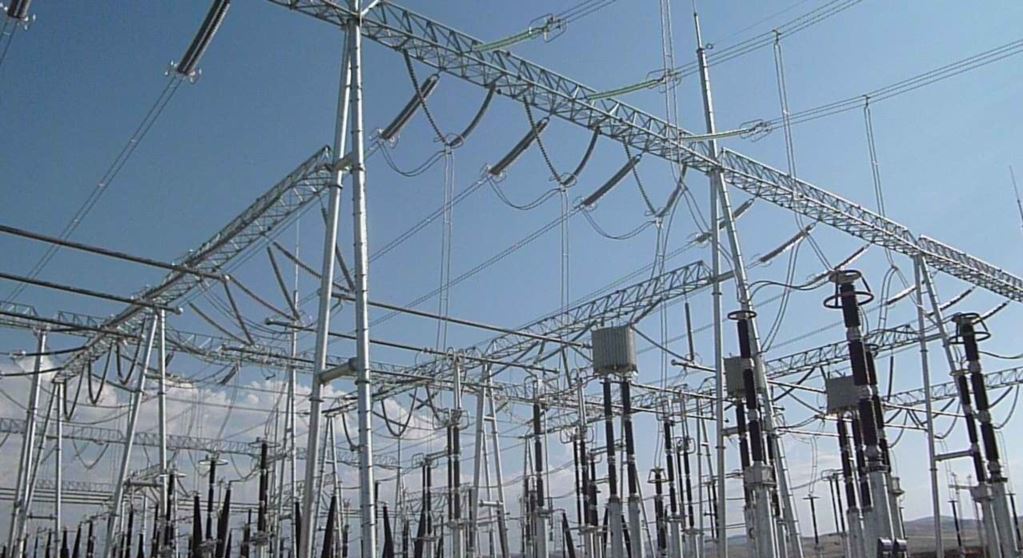
The TA cluster will include three key subprojects to introduce an energy data management (EDM) system to the Coordinating Dispatch Center (CDC) Energiya to enable a safe increase of energy flow within CAPS; update regional power sector master plan to identify technical barriers to increased power flow and possible solutions to overcome these barriers; and expand CAPS to Afghanistan and potentially Turkmenistan and identify additional new markets to increase power trade.
ADB analysts say the Central Asian countries lack the institutional and technical capacity to optimally coordinate increased power trade, due to prevailing obsolete technologies and system forecast techniques that constraints real-time monitoring of new power system assets in the region and corresponding adjustments of power flows. In this regard, the CDC Energiya, which was established in the 1960s to coordinate power flows in CAPS need urgent capacity development and technological upgrading.
The updating of the regional power sector master plan is timely since its completion in 2012 to take into account the newly completed power assets and evolved geopolitical situation in Central Asia.
In 2017, Afghanistan expressed interest to join CAPS as it already trades bilaterally with Tajikistan, Turkmenistan, and Uzbekistan. This technical assistance grant will help assess Afghanistan’s electricity grid and ensure compatibility with CAPS. Options for connection of Turkmenistan back to CAPS will also be explored.
The technical assistance cost is $4.5 million, $1.5 million of which will be financed by ADB on a grant basis; $1 million by the Regional Cooperation and Integration Fund; $1 million by the Asian Clean Energy Fund; and $1 million by the High-Level Technology Fund. The governments will provide counterpart support in the form of staff, office space, and supplies and other in-kind contributions.