



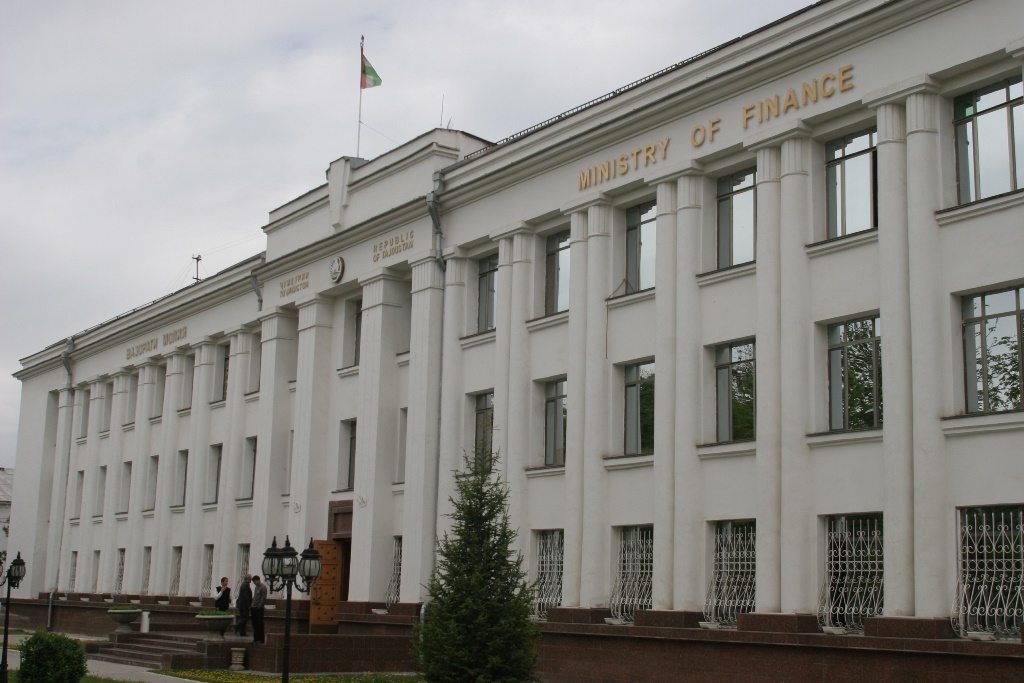
As of January 1, 2019, Tajikistan’s public debt reached more than 3.6 billion U.S. dollars, which is equal to 48 percent of the country’s gross domestic product (GDP), the Minister of Finance Fayziddin Qahhorzoda told reporters in Dushanbe on February 15.
As of January 1, 2019, the country’s external debt amounts to more than 2.9 billion U.S. dollars, which is equal to 38.9 percent of GDP, the minister noted.
“The country’s domestic debt has reached 6.8 billion somoni (equivalent to some 722 million USD), which is equal to 9.9 percent of GDP,” said Qahhorzoda.
Despite unsettled debts, Tajikistan intends to borrow another some 714 million U.S. dollars within the next three years under the national foreign-borrowing program designed for 2019-2021:
The government forecasts that that the country’s external debt will reach 3.327 billion USD by the end of 2020 and 3.441 billion USD by the end of 2021.
The Export–Import Bank of China (Chexim – China Exim Bank) is the main external creditor of Tajikistan. Tajikistan now owes more than 2.1 billion USD to this bank.
The debt-to-GDP ratio is the ratio of a country's public debt (measured in units of currency) to its gross domestic product (GDP) (measured in units of currency). By comparing what a country owes with what it produces, the debt-to-GDP ratio indicates its ability to pay back its debts. A low debt-to-GDP ratio indicates an economy that produces and sells goods and services sufficient to pay back debts without incurring further debt.
Public debt is a stock variable, measured at a specific point in time, and it is the accumulation of all prior deficits. Public debt can be categorized as domestic debt (owed to lenders within the country) and external debt (owed to foreign lenders). Another common division of government debt is by duration until repayment is due. Short term debt is generally considered to be for one year or less, and long term debt is for more than ten years. Medium term debt falls between these two boundaries.
Governments create debt by issuing government bonds and bills.






