Representatives of international organizations get acquainted with operation of Tajik toll road in winter

Representatives of international organizations have visited the Tajik toll road to get acquainted with operation of it during winter period.  The trip has reportedly been organized by the Ministries of Foreign Affairs and Transport.    At the initiative of Tajikistan’s Ministries of Foreign Affair and Transport, representatives of the European Union Delegation to Tajikistan, the Swiss […]

Representatives of international organizations have visited the Tajik toll road to get acquainted with operation of it during winter period.  The trip has reportedly been organized by the Ministries of Foreign Affairs and Transport.   

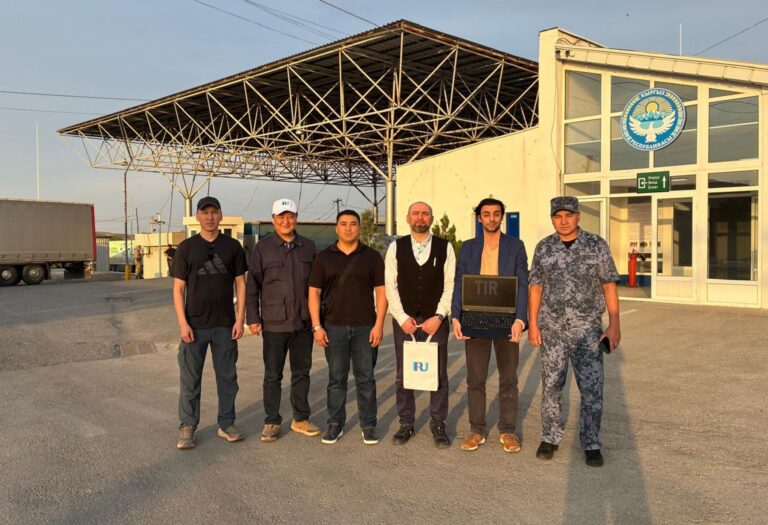
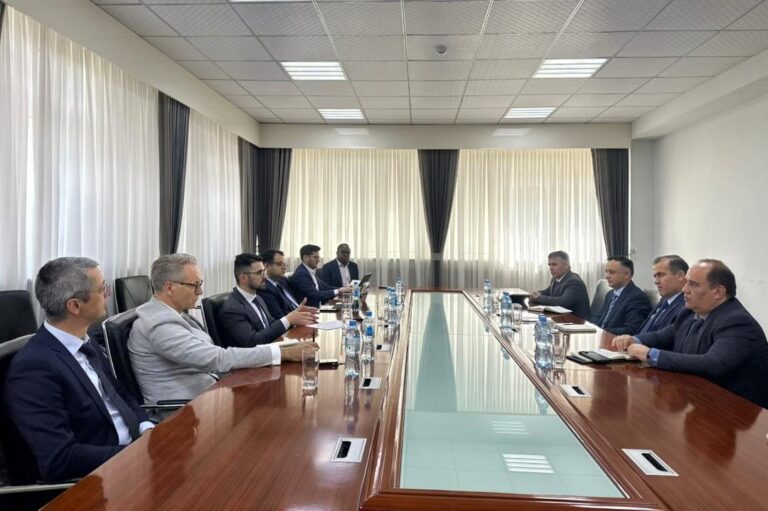
At the initiative of Tajikistan’s Ministries of Foreign Affair and Transport, representatives of the European Union Delegation to Tajikistan, the Swiss Office for Cooperation, the Japan International Cooperation Agency (JICA)’s Office in Tajikistan, the Aga Khan Development Network (AKDN)’s Office in Tajikistan, the OSCE Programme Office in Dushanbe and the IMF Office in Tajikistan yesterday visited the Dushanbe-Khujand highway. 

The Branch of Innovative Road Solutions (IRS) in Tajikistan, which operates the toll on this highway, says the main purpose of the visit for them was to get acquainted with operation of the highway during the winter period.  

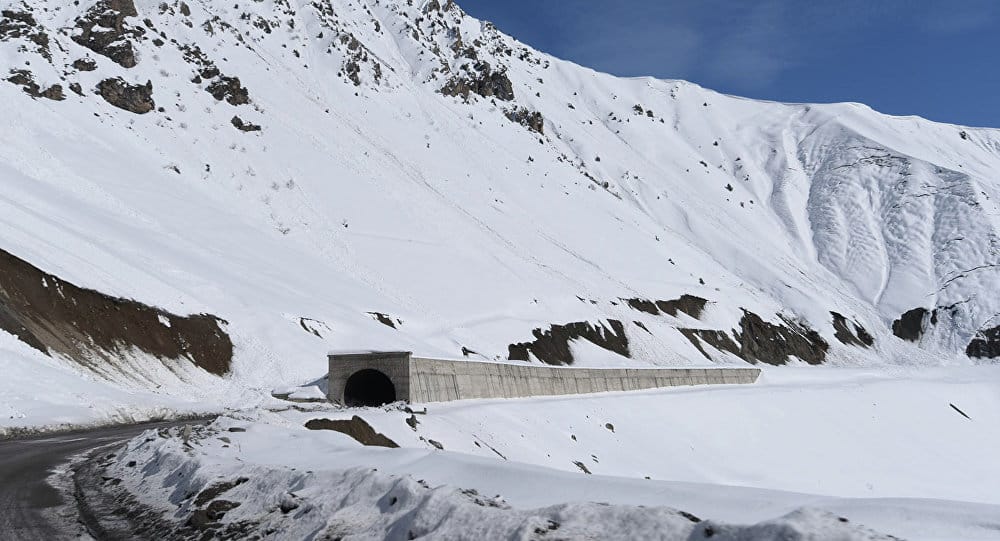
Representatives of international organizations, in particular, visited the avalanche-prone areas and got acquainted with work of the IRS specialists, according to the IRS Branch press center.

The IRS specialists reportedly told them what is being done to avoid the closure of the highway during the winter period.  “The IRS specialists, in particular, noted that it is necessary to build avalanche galleries in such areas,” said Daler Mirganov, a spokesman for the IRS Branch in Tajikistan.  “To-date, 24 such galleries have been built and it is necessary to build 55 other avalanche defense works.”  

An avalanche gallery, snow shed or snow bridge is a type of rigid snow-supporting structure for avalanche control (avalanche defense) or to maintain passage in areas where snow removal becomes almost impossible.  They can be made of steel, prestressed concrete frames, or timber.  These structures can be fully enclosed, like an artificial tunnel, or consist of lattice-like elements.  They are typically of robust construction considering the environments they must survive in.

Recall, the Ministry of Transport on September 27, 2017 presented a number of projects for construction of avalanche defense works on the most hazardous sections of mountain roads at a meeting of the National Platform for Disaster Risk Reduction. 
Join us on social media!

Article translations:

Related Article

Оби зулол
Tenisi
Оби зулол

Most Read

Коммерсбонк Точикистон

Recent Articles

The US struck military facilities in Iran. Trump expressed dissatisfaction with Tehran’s proposals and threatened Oman.

Earlier, Iran's state TV reported receiving a draft unofficial framework agreement between Tehran and Washington to settle the conflict.

How much did Tajikistan’s budget earn from the “Google tax”?

The law is already 5 years old, but the Tax Committee provided data only for the last 2 years.

The bilateral trade between Tajikistan and Iran increased by 8% in Q1 2026

Another meeting of the joint intergovernmental commission of the two countries took place in Dushanbe.

Russia and Taliban government sign military-technical cooperation agreement

The document may open up opportunities for the exchange of weapons, military technologies, and other types of defense cooperation.

“Hit with fists on the lower back and abdomen.” A teacher from Nurobod, claiming he was beaten by a student’s brother, details the attack

According to him, he is being threatened with murder, and law enforcement agencies have not yet detained the attacker.

International internet starts coming back in Iran after long shutdown 

Western media reports says Iranians ​isolated by a long...

Tajikistan listed among countries with low generative AI usage

Among the Central Asian countries, Kazakhstan has the highest rate.

Prices in Tajikistan rise almost 2% in January-April: apples, fuel, and utilities become particularly more expensive

In April, inflation was 0.6%: food products became more expensive, non-food products increased in price comparatively less, and tariffs for paid services remained unchanged.

Drought in Central Asia becoming a chronic threat, IWMI expert warns

The temperature in the region is rising faster than the global average.

Emomali Rahmon congratulates Tajikistanis on Eid al-Adha and calls for thrift

The President reminded that Idi Qurbon is not a wedding but a religious ceremony that should take place without ostentatious luxury.