Remittances play a vital role in the economic wellbeing of Tajikistan’s population; emigrants regularly send remittances to their relatives and households in Tajikistan. Remittances sent by migrants to their home countries contribute to the economic development and poverty reduction. .
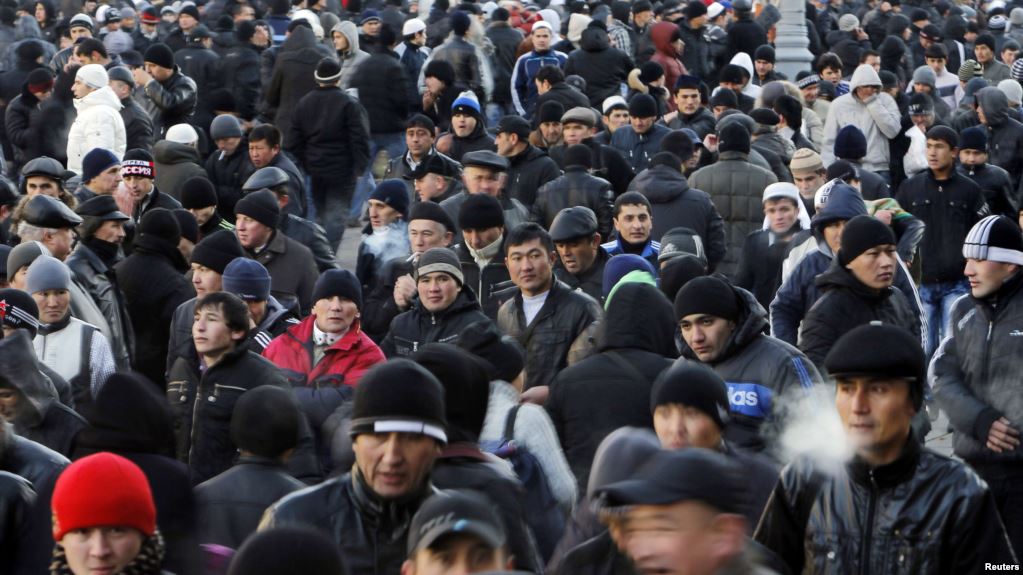
Tajik migrants make an enormous contribution to the Tajik economy. The amount of remittances sent home by Tajik migrants from Russia was estimated to be US$2.553 billion or 36% of GDP in 2018 (Russia’s central bank). The remittances sent to Tajikistan help the migrants' families to solve some of their financial problems, and a large amount of these resources are used to cover their immediate needs. Investment in longer term sustainable economic activities is, however, quite limited.
The deposit base of the banking sector has been growing. However the cluster of the population for which remittances are the primary source of income keep their savings outside the formal financial sector, thus leaving significant investment opportunities unrealized.
There is a potential for unused savings to be put to work, and the country’s authorities are seeking ways to attract unused savings of the received remittances into the financial system.
Meanwhile, international organizations also note that remittances could be used for savings and investment in productive assets.
Thus, Financial Analysis to Support SDGs Implementation in Tajikistan, a report that was released by UNDP last year, in particular, says that improvement in the regulatory environment will serve to direct remittances to productive investments.
Remittances play a critical role in providing households with necessary finance for basic consumption. Currently, remittances reportedly act as a significant buffer to poverty for a large section of the population, and most of the remittances are used for consumption of food, house renovations and celebrations. Under these circumstances, remittances assist in reducing income poverty but with minimal contribution to human development, according to the report. Meanwhile, remittances could be used for development‐related initiatives.
The report notes that large remittances, if properly channeled within an improved business environment, could lead to much higher investment. Tajikistan needs to reduce the state’s footprint in the economy, prioritize public expenditures within a realistic fiscal envelope, and significantly improve the business environment, according to the report.