Tajikistan’s reliance on a narrow export base and remittances, coupled with a widening trade deficit, has made the economy vulnerable to external economic shocks. Diversifying production and exports could improve incomes and economic resilience, and sustain economic growth in the country, says a new Asian Development Bank (ADB) report.
In its Asian Development Outlook (ADO 2019), ADB forecasts Tajikistan’s gross domestic product growth to moderate to 7.0% in 2019 and 6.5% in 2020, from the 7.3% economic growth rate recorded in 2018. ADO is ADB’s flagship annual economic publication.
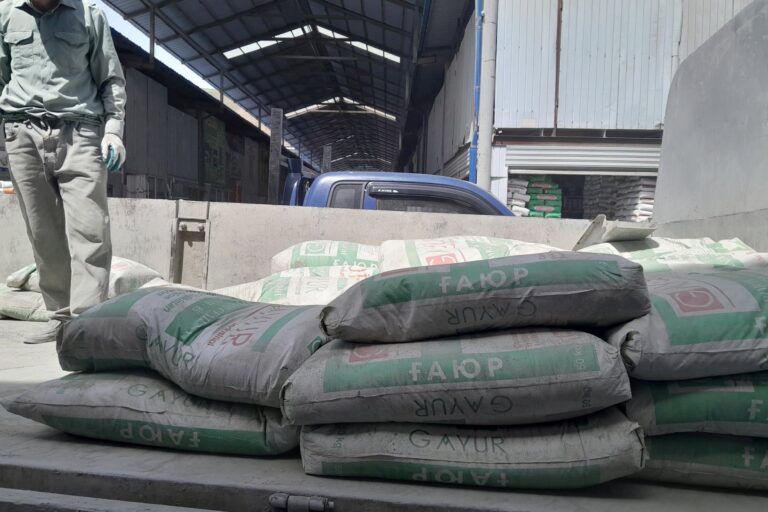
Tajikistan should explore opportunities to export products for which it enjoys a comparative advantage, such as high-value agricultural products, according to the report. Giving farmers technical support in marketing and establishing marketing associations to attain economies of scale and reduce transaction costs could help boost production, sales, and ultimately exports, which would raise rural incomes.
The report also highlights the need to address shortcomings in the investment climate, such as complex procedures for starting a business, costly customs, transport and logistic procedures, as well as weak access to credit and tax administration that discourages private investors.
ADB’s growth forecast for Tajikistan in 2019 and 2020 rests on expected moderation of capital spending, rebound in remittances, and higher exports from additional electricity generation and improving economic relations with neighboring countries. Downside risks stem from weak balance sheets at two large banks and several state-owned enterprises.
Inflation is forecast to accelerate to 7.5% in 2019, reflecting expected exchange rate flexibility, higher consumer demand from increasing remittances, and possibly faster monetary expansion from a potential second round of bank recapitalization. In 2020, inflation will likely reach 7.0%. In 2018, inflation stood at 5.4%.
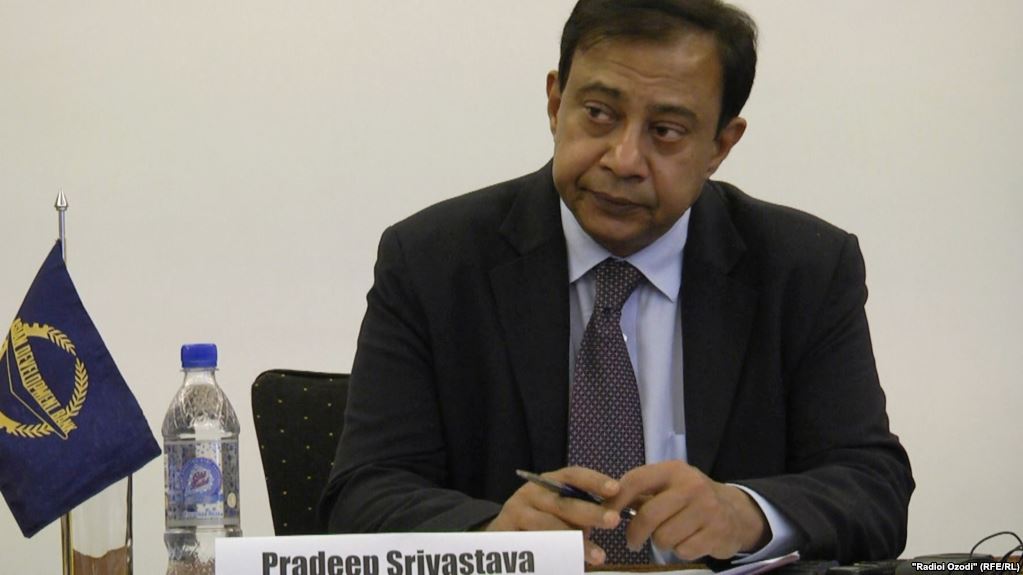
Meanwhile, ADB Country Director for Tajikistan, Mr. Pradeep Srivastava, says, “Tajikistan will reap significant economic dividends by strengthening its information technology infrastructure—making internet access cheaper and better and encouraging private investment in data and voice services— and by strengthening training of the youth.”
Recall, the Antimonopoly Agency announced on March 4 that as of March 27, mobile telecommunication services providers will be able to sell online data for no less than 0.05 somoni per megabyte (twofold increase) and the price for one minute of mobile international call, including NGN communications, will amount to no less than 1.20 somoni (tenfold increase).
However, mobile operators have not yet informed their customers about new tariffs.
Tajikistan joined ADB in 1998. To date, ADB has approved a total of over $1.7 billion in grants, concessional loans, and technical assistance to the country. ADB and Tajikistan’s development partnership has restored and built the country’s new transport and energy infrastructure, supported social development, expanded agricultural production, and improved regional cooperation and trade.