Tajikistan continues increasing cement production

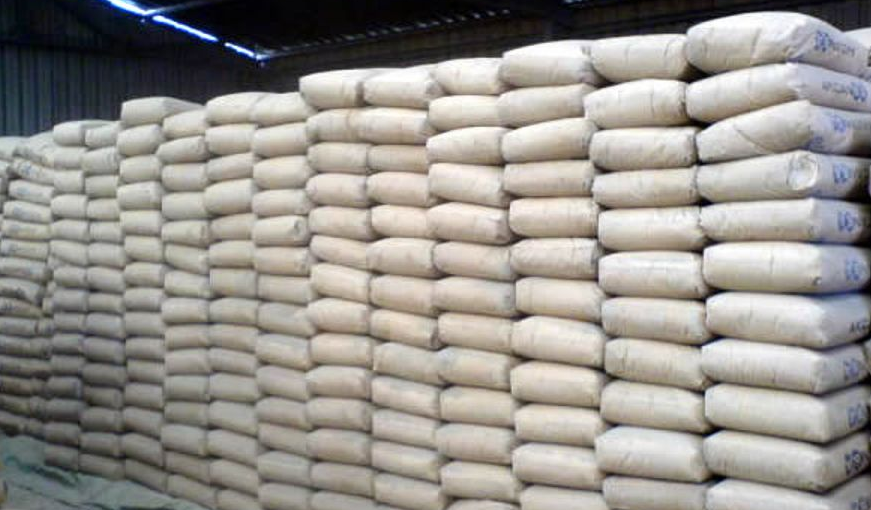
Over the first three months of this year, Tajikistan has reportedly produced about 843,000 tons of cement, which was 9.0 percent more than in the same period last year, according to the Ministry of Industry and New Technologies (MoINT). In January-March last year, Tajikistan reportedly produced about 747,000 tons of cement.   An official source at […]

Over the first three months of this year, Tajikistan has reportedly produced about 843,000 tons of cement, which was 9.0 percent more than in the same period last year, according to the Ministry of Industry and New Technologies (MoINT).

In January-March last year, Tajikistan reportedly produced about 747,000 tons of cement.  

An official source at a MoINT says Tajik-Chinese joint ventures Chzhungtsai Mohir Cement, Huaxin Gayur Cement, and Huaxin Gayur Sughd Cement accounted for nearly 85 of the local production in the first three months of this year.

Dushanbe-based cement plant (Tojik Cement) accounted for only 6.4 percent of the local production over the same three-month period.       

Nearly 36 percent of cement produced Tajikistan over the first quarter of this year has been exported to neighboring countries.

Over the report period, Tajikistan has reportedly exported more than 150,000 tons of cement to Uzbekistan, more than 140,000 tons of cement to Afghanistan and nearly 12,000 tons of cement to Kyrgyzstan.        

Tajikistan now has 13 cement plants with a total production capacity of 4.7Mt/yr. 

Tajikistan has increased production of cement significantly in recent years due to launching new Tajik-Chinese joint ventures.  Over the last eight years, production of cement has increased in Tajikistan nearly ten times.  

Meanwhile, such achievements of Tajikistan’s industry evoke concern of ecologists, who consider that excessive increase in cement production may cause irreparable harm to the country’s environment.

According to them, more polluting plants in China are forced to shut down or pay the costs of environmental damage in the wake of new laws and a crackdown on pollution.  Cement is one of the world’s most polluting industries, and therefore, Chinese producers have moved excess capacity offshore.  The Chinese cement plants mainly use coal for their fuel.  The companies reportedly claim that their plants are using advanced environmental and energy saving technology, without specifying exact standards.

Join us on social media!

Article translations:

Related Article

Оби зулол
Tenisi
Оби зулол

Most Read

Коммерсбонк Точикистон

Recent Articles

RZD announces the restoration of passenger services between Moscow and Dushanbe

Direct rail services between the capitals of Russia and Tajikistan were suspended in March 2020 due to the COVID-19 pandemic.

#AP30/Stories. “Selam! Heller nichek?” How Tatars live today in Sughd province

On the 30th anniversary of "Asia-Plus," we continue to publish reports that remain relevant even after years. This story was told in 2021, and since then, little has changed in the life of the Tatar community in Tajikistan.

15,000 cameras, drones, and robots: how technology monitors pilgrims in Mecca and Medina

During Hajj 2026, Mecca and Medina were under unprecedented digital control.

Another child in Dushanbe removed from family and sent to boarding school

The Ministry of Internal Affairs reports that the parents did not pay adequate attention to the child.

Emomali Rahmon instructs to address issues in seed production following criticism of the industry

Issues have been noted with certification, seed quality, and the material and technical base of the industry.

Water, climate, and a $130 billion deficit: seven key outcomes of the Water Conference in Dushanbe

At the forum, countries and international organizations discussed new mechanisms for cooperation, investments, and technologies that are essential for addressing the global water crisis.

Eskhata Bank introduces a new generation children’s wallet

"Eshkata Bank" has created a full-fledged digital platform that helps children aged 7 to 16 learn how to manage money.