Tajik tax senior officer considers that it would be not good to cut tax rates.
Organized by Homa Public Association, a press club to discuss issues related to tax reforms in Tajikistan took place in Dushanbe on June 26.
The meeting was held in the framework of the Support to Public Finance Management (PFM) in Tajikistan program is part of DFID Central Asia (CA) wider Public Finance Management Reform in Tajikistan program.
PFM program is being implemented under support of DFID and Tajik Branch of Open Society Institute/Assistance Foundation (OSI/AF-Tajikistan).
The event participants included representatives of relevant government bodies, including the Tax Committee.
Recall, during a meeting with representatives of fiscal bodies in Dushanbe, President Emomali Rahmon noted on May 10 that the Tax Committee should cut tax rates, reduce the number of tax officers and work out the tax code in new edition.
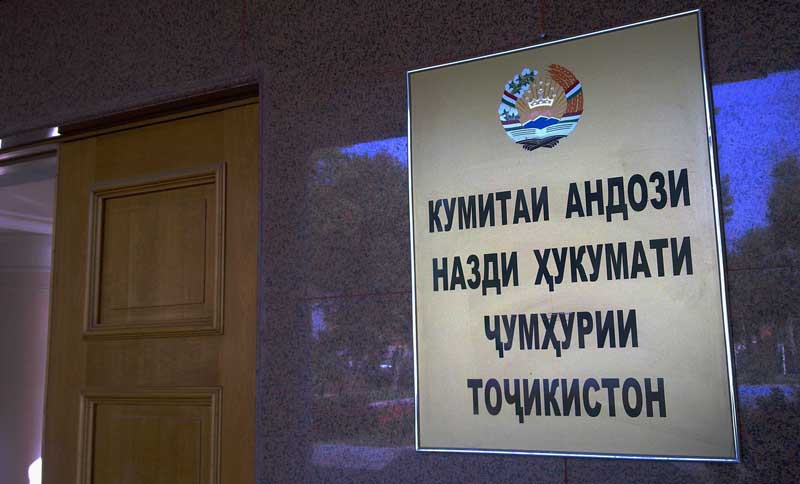
Sobir Vazirov, an official with the Tax Committee under the Government of Tajikistan, answered questions of Asia-Plus regarding instructions made by the president at the meeting with representatives of fiscal bodies.
Mr. Vazirov, in particular, noted that it would be not good to cut the tax rates. “The efforts, should aimed at, first of all, improving fiscal administration and ensuring stability of the tax system,” Vazirov said.
Meanwhile, Paying Taxes 2019, a report by PwC and the World Bank Group, listed Tajikistan among nine nations with highest tax burden. The report notes that total tax rate in Tajikistan amounts to 67.3 percent, which is more than twice as high than average value for counties of Eastern Europe and Central Asia (32.8 percent).
Asked about the possibility of reducing the number of tax officers, Mr. Vazirov noted, “At present it is not possible to reduce the number of tax officers because our technologies are underdeveloped.”
Concerning the issue of working out a new tax code, Mr. Vazirov said the development of a new tax code will be carried out gradually, a government commission will be set up, sub-commissions will be set up and so forth.