This year, the rates of production of precious metals have reportedly increased significantly in Tajikistan.
Over the first five months of this year, production of gold has increased in the country by 60.8 percent compared to the same period of last year and production of silver has increased by 37.6 percent over the same five-month period, according to the Ministry of Industry and New Technologies (MoINT).
The ministry, however, refrained from disclosing the actual amount of gold produced in the country over report period.
Last year, Tajikistan produced a record amount of gold in 2018 – some 6.4 tons, which was nearly 17 percent more than in 2017. Tajikistan produced 5,500 tons of gold in 2017.
In 2016, Tajikistan produced 5,000 kilograms of gold in 2016. In 2015, Tajikistan produced about 4,200 kilograms of gold, which was nearly 32 percent more than in 2014. In 2014, Tajikistan produced about 3,200 kilograms of gold.
The MoINT had earlier noted that the National Bank of Tajikistan (NBT) acquires the whole gold produced in Tajikistan.
A report released by the World Gold Council in Aril this year, in particular, says Tajikistan has sold 1 ton of gold over the first quarter of this year.
Tajikistan has 137 deposits with estimated reserves of industrial gold and 127 deposits of non-industrial gold. Tajikistan plans to increase annual production of gold to 17 tons beginning on 2022.
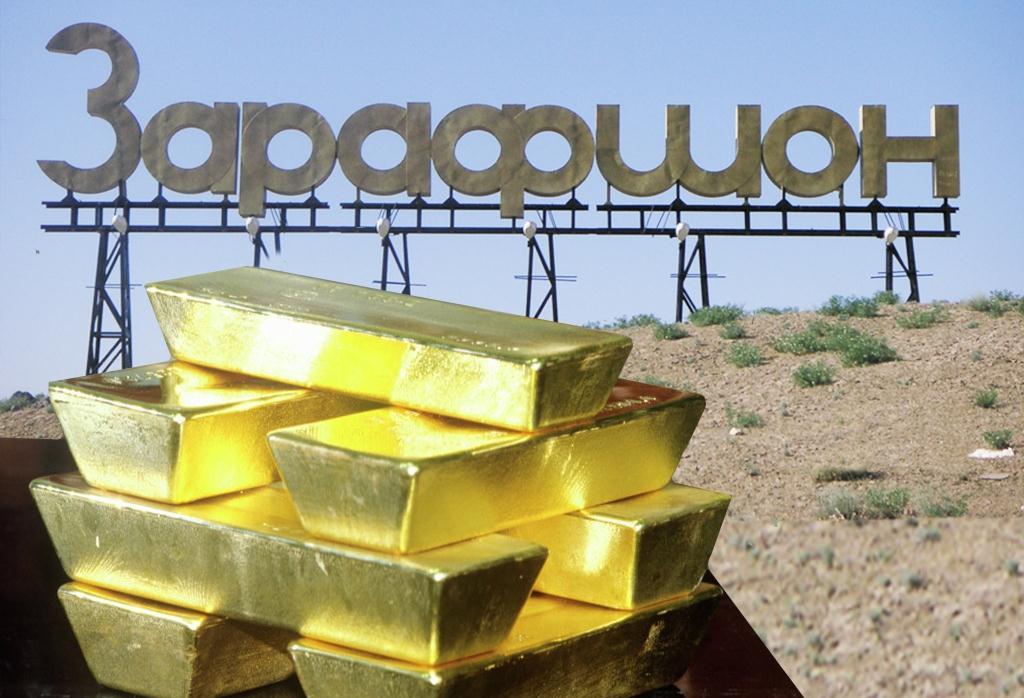
Four large gold mining companies now operate in Tajikistan: Tilloi Tojik; Tajik-Chinese JV Zarafshon; Tajik-Canadian JV Aprelevka; and China Nonferrous Gold Limited, which is the first foreign company to obtain 100% ownership of a mining and exploration project in Tajikistan. Besides, enterprises such as Odina, Nazira, Ganj, Barakat and Istiqlol are engaged in gold production in the country.
Most of gold comes from the Jilau deposit operated by Tajik-Chinese joint venture, Zarafshon, which reportedly accounts for more than 70 percent of the total amount of gold produced in Tajikistan.
Meanwhile, international media reports say gold is poised for fresh peaks after vaulting six-year high. Reuters reported yesterday that gold looks set for further gains after rising bets on lower interest rates, a weaker dollar and confrontations between the United States and countries including China and Iran catapulted prices to six-year highs.
Gold has reportedly leapt 10% in four weeks, breaking above technical resistance which has thwarted every rally for half a decade to rise above $1,400 an ounce for the first time since 2013.
Analysts at Citibank say gold could rise as high as $1,500 by the end of the year.
Global stock markets have reportedly hit record highs, leading many to expect a brutal correction.
Gold prices have also been supported by central banks buying the metal at the fastest rate in decades to diversify their reserves.