Tajikistan has significantly increased imports of natural gas from neighboring Uzbekistan.
In a report released at a news conference in Dushanbe, the deputy head of Open Joint-Stock Company (OJSC) Tojiktransgaz (Tajik state natural-gas distributor), Shavkat Shoimzoda, noted on July 15 that Tajikistan has imported more than US$ 8.7 million worth of some 70 million cubic meters of natural gas from Uzbekistan over the first six months of this year.
During the last year after Uzbekistan resumed delivering natural gas to Tajikistan in April, Tajikistan imported 54 million cubic meters of natural gas from Uzbekistan, Shoimzoda said.
According to him, Uzbek natural gas is currently consumed by industrial enterprises. The main consumer of the Uzbek natural gas in Tajikistan is the Tajik Aluminum Company (TALCO). It consumes some 80 percent of the country’s natural gas imports.
Uzbekistan resumed delivering natural gas to Tajikistan in April last year, ending a six-year hiatus precipitated by diplomatic differences. Under a deal reached in March of 2018 between the two nations’ presidents, Uzbekistan pledged to deliver 126 million cubic meters of gas for $15.1 million last year.
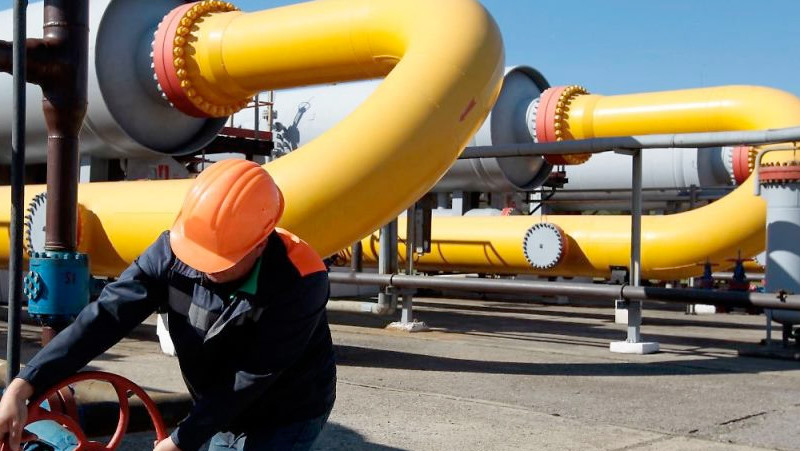
The gas is funneled t Tajikistan through the Muzrabad-Dushanbe pipeline.
Uzbekistan stopped gas deliveries via pipeline to Tajikistan on December 31, 2012 after both sides failed to agree on gas prices following the expiration of their contract.
Uzbekistan, Tajikistan’s only supplier of gas, routinely suspended gas deliveries to its neighbor amid complaints of nonpayment.
Uzbek natural gas prices varied quarterly depending on the world trends and Tajikistan had to make prepayments every ten days.
In 2010, an average price of 1,000 cubic meters of Uzbek natural gas for Tajikistan was US$240.00; in the first quarter of 2010, the price of 1,000 cubic meters of Uzbek gas was US$231.00 and in the fourth quarter, it rose to US$254.00.
In the first quarter of 2011, Tajikistan was buying natural gas from Uzbekistan for US$227.85 per 1,000 cubic meters, while the price for the second quarter was US$249.19 per 1,000 cubic meters. In the third quarter, Tajikistan was buying natural gas from Uzbekistan for US$284.33 per 1,000 cubic meters and the price for the fourth quarter was US$311.00.
In 2012, an average price for 1,000 cubic meters of Uzbek gas in Tajikistan was 300.00 U.S. dollars. In 2012, Tajikistan received 132.4 million cubic meters of natural gas from Uzbekistan, 46.6 million cubic meters fewer than in 2011.
Signs of a thaw in relations between Tajikistan and Uzbekistan emerged in September 2016. In the years since independence, bilateral relations have been plagued by mistrust, disputes over water resources and outright hostility. Both sides have adopted a series of punitive measures against each other. President Shavkat Mirziyoyev has expressed interest in “resetting” relations with Tajikistan.