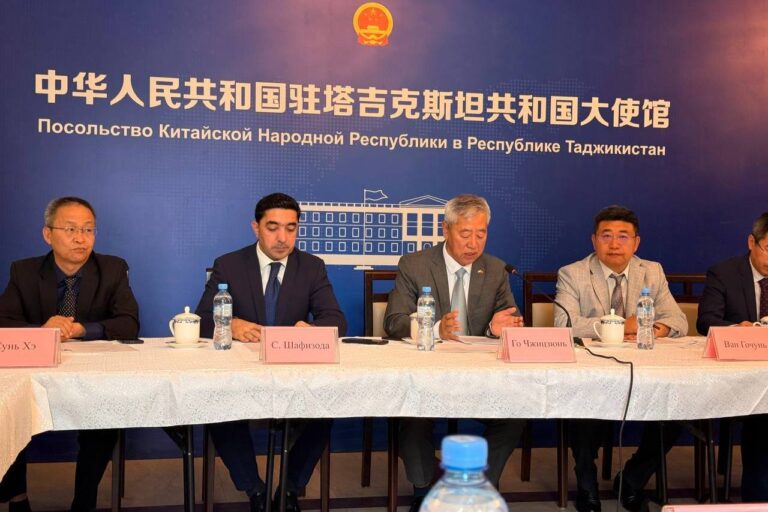
A regular meeting of the Tajik-Kyrgyz working group on delimitation and demarcation of the mutual border has been held in the Tajik northern city of Isfara, an official source at the Isfara mayor’s office told Asia-Plus Wednesday (July 17) afternoon.
According to him, the meeting participants discussed proposals on drawing the disputable stretches of the border and reached an agreement on conducting a joint field examination of the border in Kyrgyzstan’s Batken district.
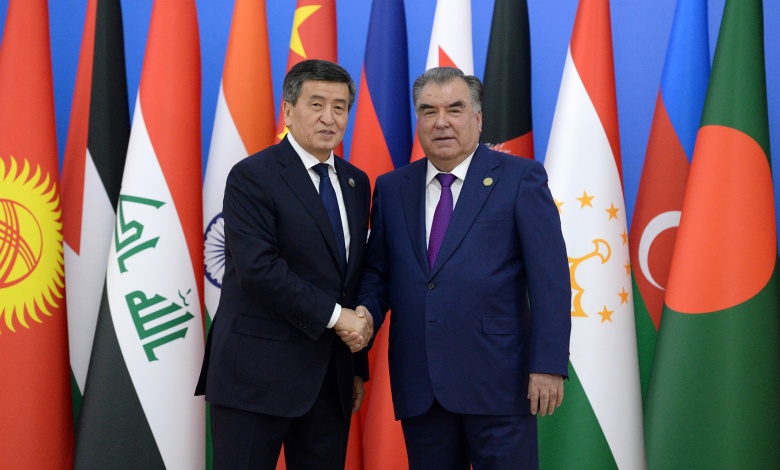
Meanwhile, a source at the Tajik government says Tajik President Emomali Rahmon and his Kyrgyz counterpart Sooronbai Jeenbekov will meet in Vorukh in the near future (Vorukh is an exclave surrounded by Kyrgyzstan that forms part of the Isfara district in the Sughd province). They are expected to discuss issues related to resolving border problems
Kyrgyzstan’s independent news agency AKIPress reported on July 4 that during a meeting with residents of the Batken district President Sooronbai Jeenbekov has said that during his official visit to Tajikistan he and Tajik President Emomali Rahmon came to a consensus on the border issues.
“President Emomali Rahmon will pay visit to Kyrgyzstan soon and our negotiations will continue. President of Tajikistan and I are open to negotiations,” Kyrgyz president was cited as saying by AKIPress.
Tajikistan and Kyrgyzstan have been unable to agree on the location of the border they inherited when the Soviet Union collapsed in 1991. As the population in the dense Ferghana Valley grows, it has become increasingly difficult to demarcate the contested sections, where valuable agricultural land often lies.
The area at the focus of unrest among residents of border areas of the two countries lies on the jagged frontier where the east of Tajikistan’s Sughd province and Kyrgyzstan’s Batken region meet. Skirmishes have sparked between residents of Isfara (Tajikistan) and Batken (Kyrgyzstan) districts along the Kyrgyzstan-Tajikistan border. Trouble periodically sparks around the Tajik exclave of Vorukh.
The latest serious unrest erupted on March 13 after Kyrgyzstan restarted work on a controversial Aksai-Tamdyk road in the disputed section of the Tajik-Kyrgyz border.
Two Tajik nationals were killed and more than 30 others wounded in two days of clashes. Kyrgyzstan listed three injured on its side.
Tajik border service argues that completion of this road will lead to the stemming of a river and leave Vorukh without irrigation for its valuable apricot and walnut cash crops.
Rahmon and Jeenbekov on March 14 held a phone conversation over the border situation between the two countries. They noted the need to create a joint commission to objectively investigate the incident and prevent similar situations in the future, as well as to intensify negotiations on the completion of the process of delimitation of the state border.
The presidents were of the opinion that the two peoples, having age-old good-neighborly relations, should live in peace and friendship.