25 energy projects totaling 2.4 billion USD implemented in Tajikistan over the years of independence

Currently, nine energy projects totaling more than 1.1 billion U.S. dollars are being implemented in Tajikistan, according to the Ministry of Energy and Water resources (MoEWR).      “Meanwhile, implementation of six other energy projects costing 212 million U.S. dollars will start in the country in the near future,” an official source at a MoEWR told […]

Currently, nine energy projects totaling more than 1.1 billion U.S. dollars are being implemented in Tajikistan, according to the Ministry of Energy and Water resources (MoEWR).     

“Meanwhile, implementation of six other energy projects costing 212 million U.S. dollars will start in the country in the near future,” an official source at a MoEWR told Asia-Plus in an interview.

According to him, they are currently seeking contractors for implementation of these projects.  

Over the years of independence, twenty-five energy projects totaling 2.4 billion U.S. dollars have been implemented in the country, the source added.  

In particular, Sangtuda-1 hydropower plant  with capacity of 670 MW, Sangtuda-2 hydropower plant with capacity of 220 MW, Dushanbe-2 combined heat and power (CHP) plant with capacity of 400 MW, a number of small hydropower plants with total capacity of 30mW and numerous power transmission lines and other power facilities have been constructed in Tajikistan over the past twenty-eight years.  

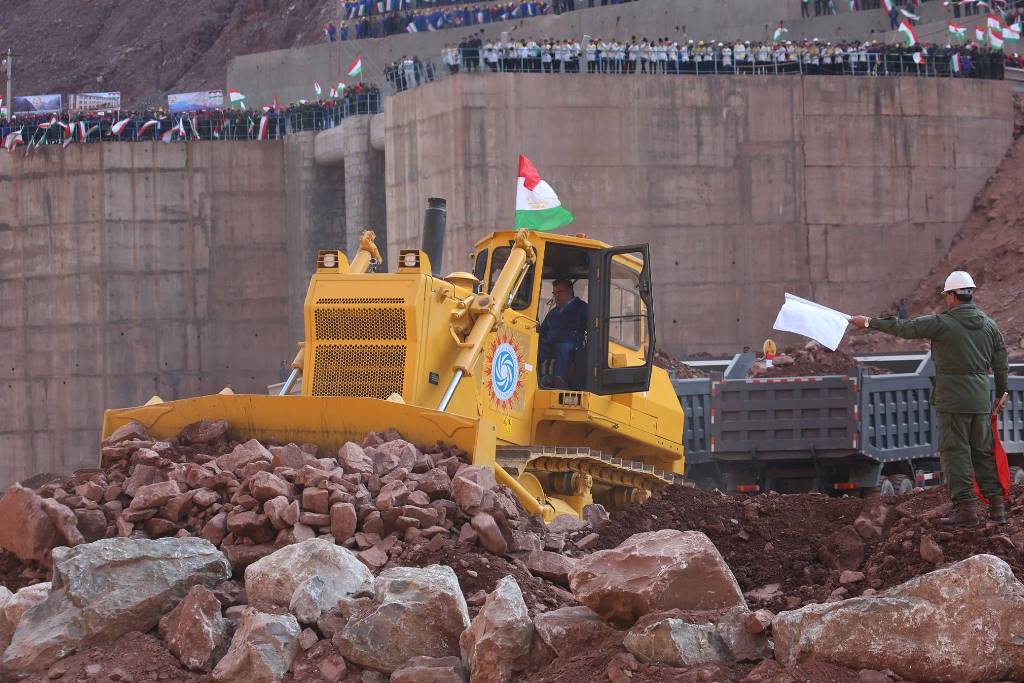
The launch of the first unit of the Roghun hydropower plant into operation is considered the most significant achievement in the country’s energy sector over the years of independence.

The second unit of this hydropower plant is expected to be introduced into operation within the next few days, on September 9.    

Roghun hydropower plant is an embankment dam in the preliminary stages of construction on the Vakhsh River in southern Tajikistan.  It is one of the planned hydroelectric power plants of Vakhsh Cascade.

Once it is completed — by 2033, if all goes to plan — Roghun should comprise a total of six 600-megawatt generating units.  At peak annual capacity, the plant should be able to produce up to 17 billion kilowatt hours of electricity.

The government hopes the Roghun hydropower plant will help end power rationing in winter months while also allowing Tajikistan to boost energy exports to its neighbors, such as Uzbekistan and Afghanistan.  

Join us on social media!

Article translations:

Related Article

Оби зулол
Оби зулол
Tenisi

Most Read

Коммерсбонк Точикистон

Recent Articles

RZD announces the restoration of passenger services between Moscow and Dushanbe

Direct rail services between the capitals of Russia and Tajikistan were suspended in March 2020 due to the COVID-19 pandemic.

#AP30/Stories. “Selam! Heller nichek?” How Tatars live today in Sughd province

On the 30th anniversary of "Asia-Plus," we continue to publish reports that remain relevant even after years. This story was told in 2021, and since then, little has changed in the life of the Tatar community in Tajikistan.

15,000 cameras, drones, and robots: how technology monitors pilgrims in Mecca and Medina

During Hajj 2026, Mecca and Medina were under unprecedented digital control.

Another child in Dushanbe removed from family and sent to boarding school

The Ministry of Internal Affairs reports that the parents did not pay adequate attention to the child.

Emomali Rahmon instructs to address issues in seed production following criticism of the industry

Issues have been noted with certification, seed quality, and the material and technical base of the industry.

Water, climate, and a $130 billion deficit: seven key outcomes of the Water Conference in Dushanbe

At the forum, countries and international organizations discussed new mechanisms for cooperation, investments, and technologies that are essential for addressing the global water crisis.

Eskhata Bank introduces a new generation children’s wallet

"Eshkata Bank" has created a full-fledged digital platform that helps children aged 7 to 16 learn how to manage money.