Imam-khatibs in Tajikistan have been trained in communicating with people on social networks and recognizing extremists.
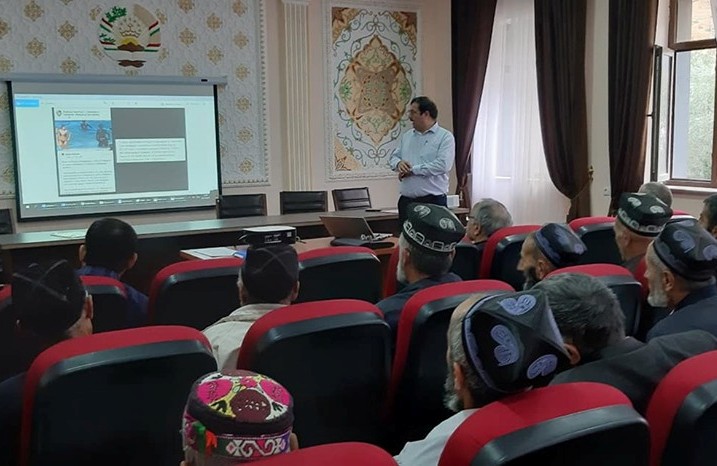
The Institute for War and Peace Reporting (IWPR)’s in Tajikistan has trained imam-khatibs in Tajikistan to properly use social networks and messengers.
On October 2, training started for more than twenty clerics in the Vanj district of the Gorno Badakhshan Autonomous Region (GBAO).
On October 1, similar training was conducted for twenty-seven clerics in GBAO’s Darvoz district.
The training is conducted by representatives of IWPR’s Office in Tajikistan jointly with the Committee on Religious Affairs (CRA) under the Government of Tajikistan and the Center for Islamic Studies of Tajikistan.
According to IWPR’s Office in Tajikistan, they have already conducted similar trainings in other cities and districts of the county.
“We have conducted similar trainings in the cities of Tursunzoda, Khujand and Konibodom, where more than 70 imam-khatibs were trained to use social networks,” Ms. Lola Olimova, coordinator of IWPR's "Stability in Central Asia through an Open Dialogue" project.
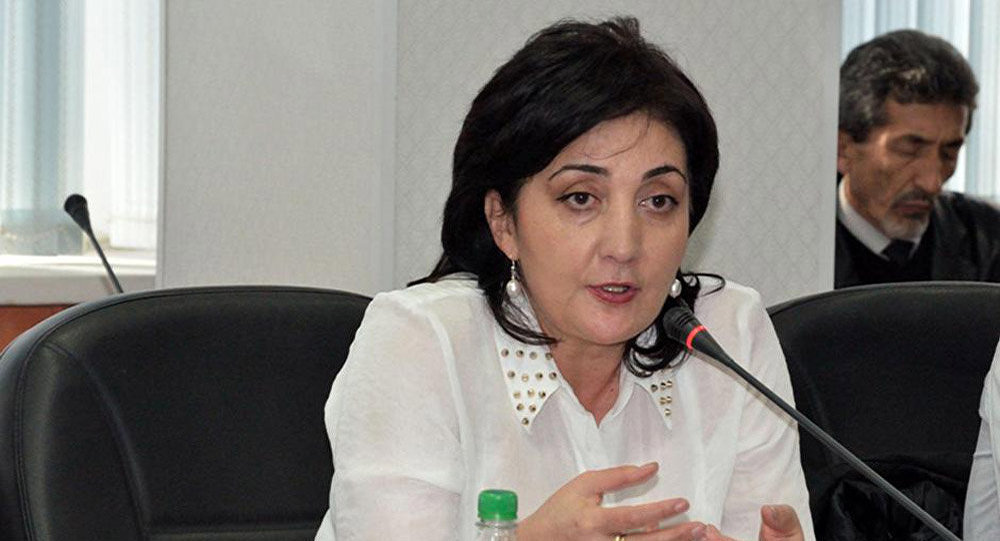
The project involves regular meetings with local civil society activists and discussions on the causes of religious intolerance and some of the reasons why youth join extremist organizations.
The project was launched in August 2018 and is set to run until March 2020.