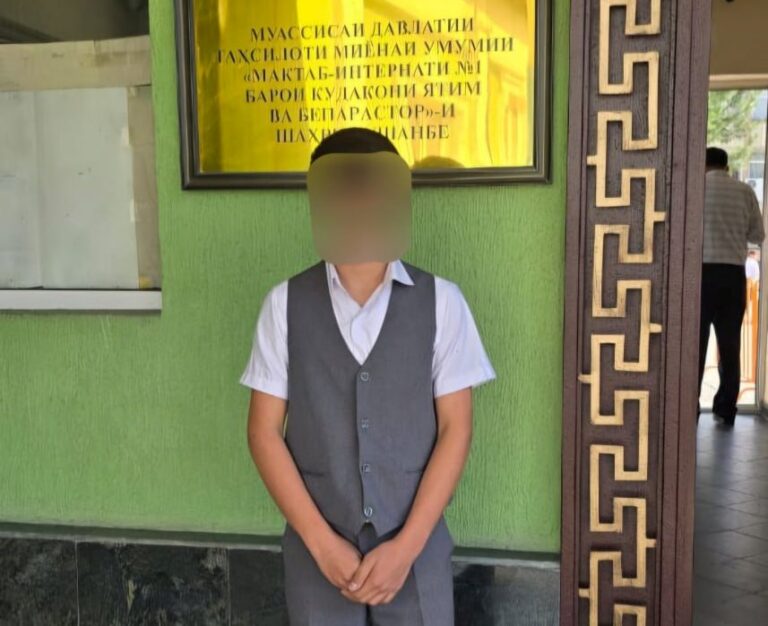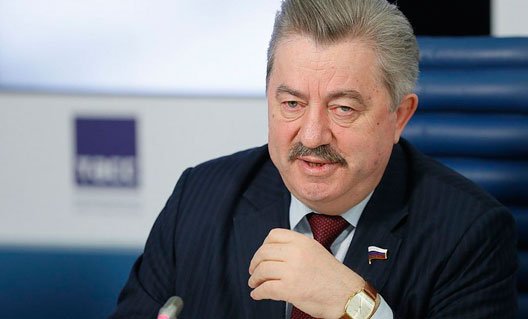
Russia will invest in development of Russian-language schools in Tajikistan, Viktor Vodolatsky, the deputy head of the State Duma (Russia’s lower house of parliament) Committee for CIS Affairs, Eurasian Integration and Ties with Compatriots, told Duma TV in an interview.
According to him, 168 million rubles will be allocated to support development of the Russian-language schools in Tajikistan
“It will be levels of the single system of education: school; preparatory course; resource center; and then baccalaureate by specialty,” Russian lawmaker said.
Viktor Vodolatsky visited Tajikistan last weekends as part of the Russian delegation headed by State Duma Speaker Vyacheslav Volodin.
Recall, Russian Foreign Minister Sergei Lavrov said on August 5 last year during a meeting in Moscow with his Tajik counterpart, Sirojiddin Muhriddin, that there are plans to build another five Russian-language schools in Tajikistan, but he provided no timeframe.
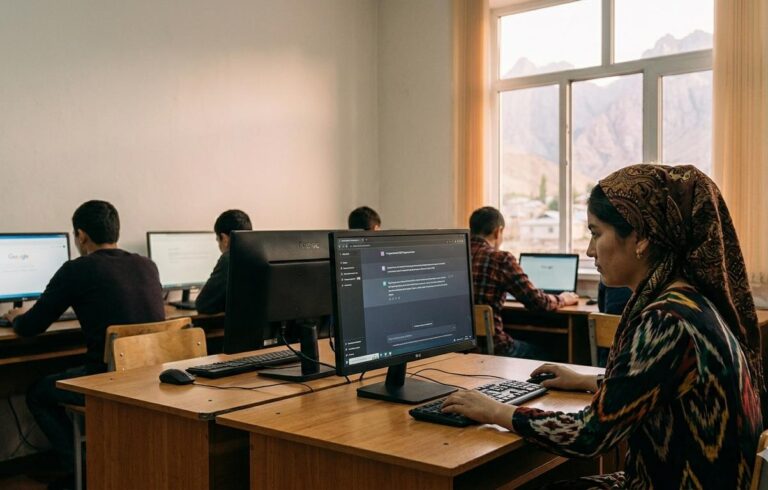
More than 50 Russian teachers reportedly worked with Russian-language schools in Tajikistan during the 2018-2019 academic year, teaching a variety of subjects, including math, chemistry, biology and computer science.
The first group of Russian teachers, numbering 29 people, arrived in Tajikistan at the start of the 2017-2018 academic year. They worked with schools in Dushanbe, Khorog, the capital of the Gorno-Badakhshan Autonomous Region (GBAO), Khatlon, Sughd and districts subordinate to the center. Of them, only thee reportedly returned to Russia while the remaining 26 teachers remained in Tajikistan for one more year. According to Mikhail Vozhdayev, the head of Russian Center of Science and Culture {Rossotrudnichestvo) in Tajikistan, 26 another Russian teachers joined them at the beginning of the 2018-2019 academic year.
Authorities in Russia make no secret that assistance exercises like these are potentially valuable tools in the country’s soft power armory, similar in some ways to the U.S.-funded Peace Corps volunteer program, although the scale for now is much more modest.
In August 2o17, as the participants of the pilot project mustered in Moscow, Valentina Matviyenko, the chair of Russia’s upper house (Federation Council) of parliament reportedly told them that “your work is in effect that of goodwill ambassadors, envoys of Russian knowledge and culture.”
The education sector in Tajikistan has been in decline after collapse of the Soviet Union in 1991 and many Tajik nationals have described the effort to bring over Russian teachers as a much-needed remedy.