The World Bank Group is currently developing its first strategy for Fragility, Conflict and Violence (FCV), and has mobilized unprecedented financing for addressing FCV, particularly to strengthen the International Development Association’s (IDA) role in preventing the onset, escalation, and recurrence of violent conflict, and in mobilizing support for refugees.
One of the financing tools is the Risk Mitigation Regime (RMR). Tajikistan is among four countries globally (along with Guinea, Nepal and Niger), which have received funding of $100 million from RMR, in addition to its regular allocation from IDA to address the risks of FCV.
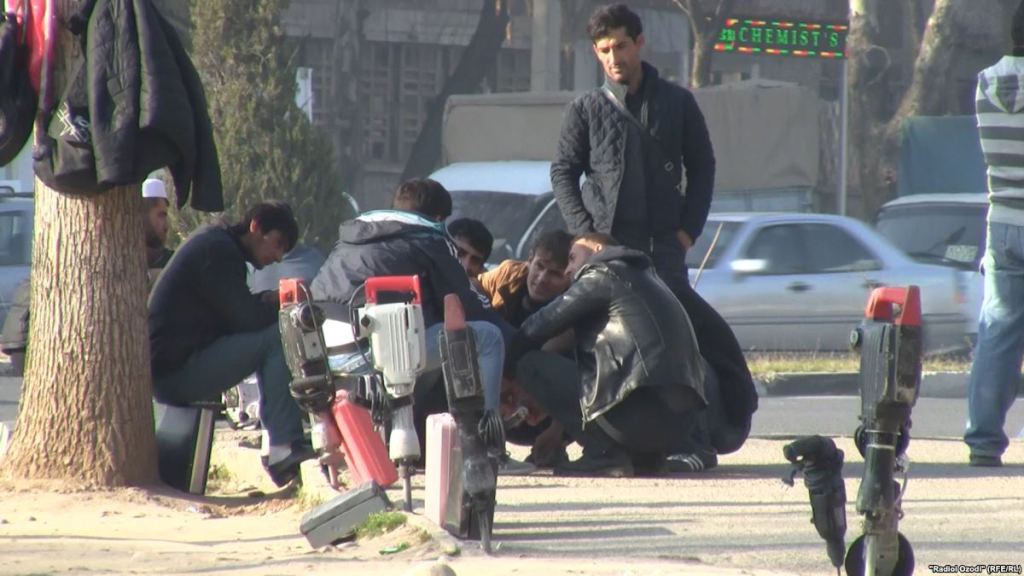
According to World Bank’s Risk and Resilience Assessment in Tajikistan, economic risks such as limited employment opportunities, coupled with security risks emanating from the 1,400 km border with Afghanistan, and social risks resulting from poor service delivery in rural areas and high rates of rural poverty, are creating risks of social and economic exclusion and vulnerability.
Three projects, the Socio-Economic Resilience Strengthening Project, the Rural Economy Development Project, and the Rural Electrification Project – collectively referred to as the “Tajikistan Resilience Strengthening Program” – were approved under the RMR instrument.
By strengthening local institutions and promoting dialogue with citizens, creating youth inclusive services and livelihood support, and creating new economic opportunities in community-based tourism and agribusiness, these projects aim to help Tajikistan mitigate the risks of fragility.
In recognizing the changing nature and scope of FCV, the World Bank (WB) is taking a new and differentiated approach to addressing the full spectrum of FCV situations. This includes action in fragile situations in middle-income countries, not just in the least-developed countries and considering regional conflicts and spillovers, not just national-level fragility. This also includes tackling FCV risks and long-term drivers, not just the adverse development outcomes of conflict. By targeting potential socio-economic fault lines in vulnerable countries, the WB seeks to contribute to the avoidance of wide-scale crises and their significant human and economic costs.
The Risk and Resilience Report (RRA) identifies the multi-dimensional risks that increase Tajikistan's vulnerability to violence and instability, as well as sources of resilience, and makes recommendations on potential areas of World Bank programming. The RRA has been part of a range of supporting diagnostics and preparatory studies informing the Tajikistan Country Partnership Framework (CPF) for the period of FY19-23 (discussed by the WBG Board of Executive Directors in May 2019). The CPF covers the RMR-funded interventions based on the findings of the RRA as part of the WBG Tajikistan country program.