The Tax Committee under the Government of Tajikistan proposes to tax loans obtained by joint ventures. It accuses them of deliberately concealing taxable sources. It is about the intricacies of foreign founders, who invest their funds in their own enterprises under the guise of high interest loans.
In its letter addressed to relevant ministries and agencies, the Tax Committee notes that the country’s legislation does not determine the norms of regulation of obtaining of loans, received from related parties or foreign founders.
According to the Tajik tax authorities, joint ventures often abuse this shortcoming.
The Tax Committee notes that joint ventures usually raise funds not from lending agencies but from parties associated with these companies.
The funds raised by these enterprises are reportedly used by these enterprises to repay the previously obtained loans and interest on them. In financial statements, these funds are mentioned as expenditures, according to the Tax Committee.
As a result, the enterprise ends its financial activity with large expenditures and shareholders are paid small dividends or are not paid dividends at all (in the case of the close of the fiscal with losses).
This reportedly leads to the fact that the state budget receives dozens of millions of somoni less.
The letter notes that investors invest the funds not in authorized capitals of enterprises subordinate to them but in a form of a loan, which exceeds the authorized capital of such enterprises tens and hundreds times. The annual interest rate on these loans is usually determined at 10-12 percent. All this allows them to conceal the taxable sources.
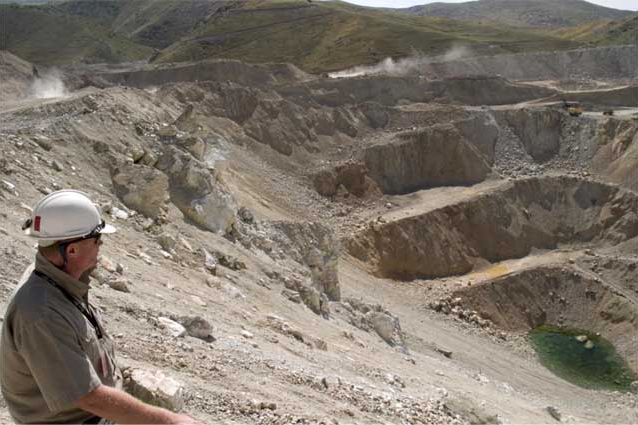
The Tax Committee notes that Tajik-Chinese joint gold mining company Zarafshon has received more than 2.4 billion somoni in loans over the past five years, which is 33 times higher than its authorized capital.
The Tax Committee also mentions other companies with foreign companies, whose obtained loans exceed their authorized capitals tens or hundreds times. Among the are Closed Joint-Stock Company (CJSC) Indigo Tajikistan. CJSC TT-Mobile, Pakrut LTD, Gazpromneft-Tajikistan LTD, and Juntgstai Mohir Cement LTD.
The Tax Committee proposes to make amendments to the tax code that would allow regulating the process of obtaining of loans by joint ventures.
Meanwhile, specialists say the debt financing allows companies to get a “tax shield”, because the interest paid on loan is not taxed.
If the funds went to the company as an investment in the authorized capital, they would be taxed on income. In Tajikistan, this tax can amount up to 23 percent.