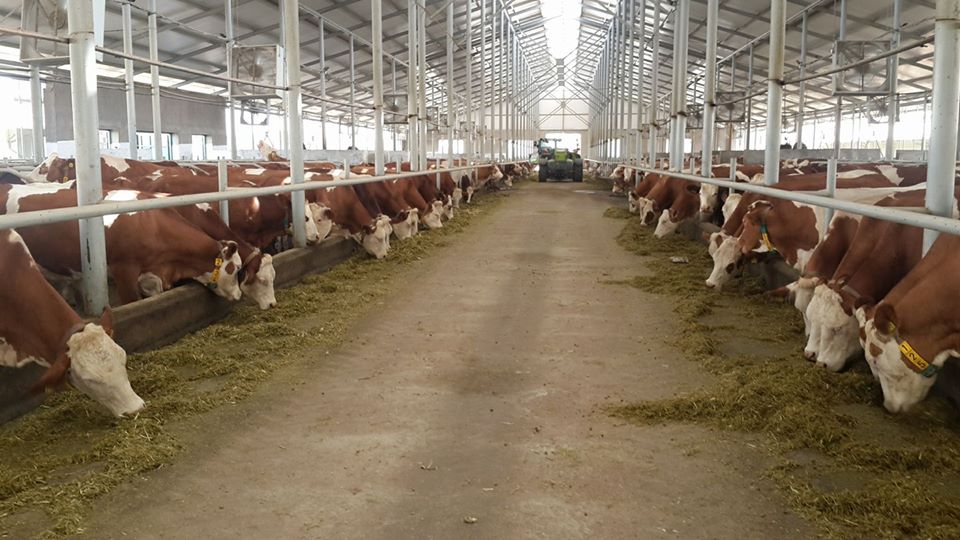
Domestic seed-growing and livestock farms needs government support, first of all, real financial investments.
By government’s decree the delivery of elite seed varieties, breeding stock and fodder for them will be exempted from payment of the value added tax (VAT) and custom duties beginning on January 1, 2020.
Meanwhile, first of all, domestic producers need benefits. Under conditions when there is no enough land to grow crops, yield increase comes to the fore. The crop yield increase is achieved by selection of the best seed varieties.
According to data from the Ministry of Agriculture, domestic seed-growing farms now meet approximately 40 percent of the country’s requirements in high-quality seeds.
Meanwhile, more than hundred firms and individual entrepreneurs are currently engaged in delivering seeds to the country.
More than 90 farms of different forms of property are now engaged in seed growing in Tajikistan. They grow seeds of cottons, potatoes, grains as well as other crops and fodder plants.
“These farms today are faced with many problems,” says the Deputy Minister of Agriculture, Ms. Jamila Saidova.
The private seed farming is still at the beginning of its development and urgently needs government support
Benefits introduced for the delivery of high-quality seeds could be useful for domestic producers, however, it would be more beneficial to support them. Moreover, the benefits already exist in accordance with the country’s law on seed growing. Under this law, local authorities must support seed growing farms by providing state funds and offsetting the costs of growing elite seed varieties.
According to the statistical data from the Customs Service, the government annually spends 6-7 million U.S. dollars for purchase of elite seed varieties abroad.
The government has also proposed to exempt the delivery of forage fodder from payment of VAT and customs duties. Local experts, however, consider that benefits must been given, first of all, to domestic producers.
According to them, it is possible to produce cattle fodder in Tajikistan and several fodder-producing farms now operate in the country.
However, their resources are not enough to fully meet the livestock industry’s requirements in fodder.
According to the latest statistical data, there are 2.4 million head of cattle, 5.7 million head of sheep and goats and more than 8.7 million head of poultry on all categories of farms in Tajikistan.
Local livestock specialists estimate that more than 400 kilograms of fodder are needed per year to grow a dairy cow and more than 300 kilograms of fodder are needed per year to feed a meat goby.
The majority of local experts consider that the delivery of high-quality varieties of fodder plant seeds might slightly reduce the fodder prices, but on the other hand, periodic increase in tax rates as well as energy and transportation costs may negate all government efforts to reduce the cost of meat and dairy products.