Tajikistan legalizes artisanal and small-scale precious metal and stone mining

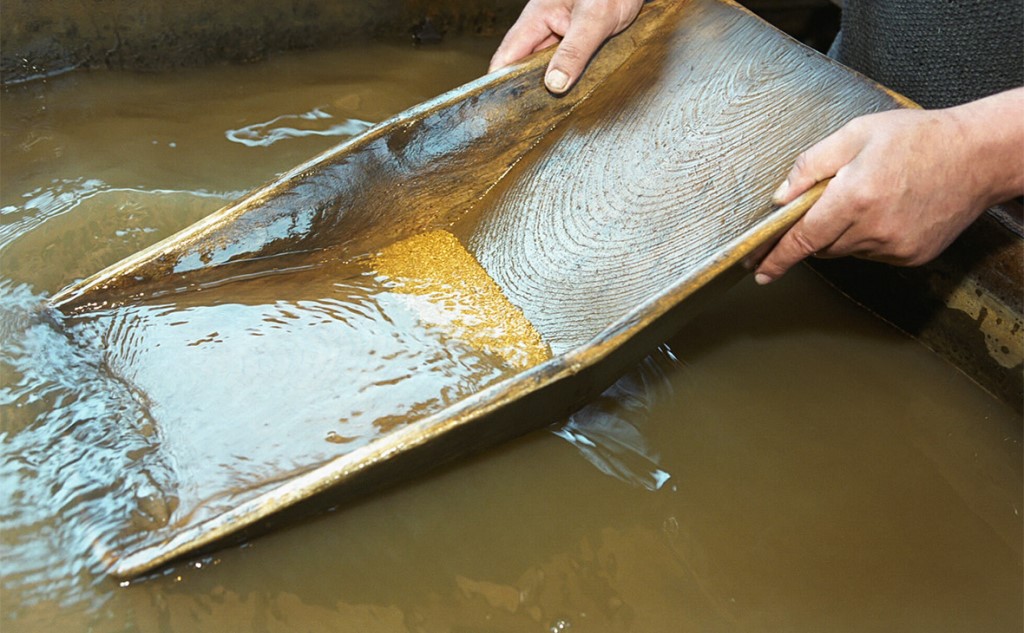
Tajikistan has legalized artisanal and small-scale precious metal and stone mining.  For individual production of precious metals and stones, Tajik nationals have to get license from the Ministry of Finance and they should sell the produced precious metals and stones to the state treasury.  The government endorsed the rules of giving licenses to individual persons to […]

Tajikistan has legalized artisanal and small-scale precious metal and stone mining.  For individual production of precious metals and stones, Tajik nationals have to get license from the Ministry of Finance and they should sell the produced precious metals and stones to the state treasury. 

The government endorsed the rules of giving licenses to individual persons to produce precious stones and metals in artisanal and small-scale ways on November 27 this year.   

The list of precious metals permitted to be produced in artisanal and small-scale ways includes: gold; silver; platinum; tin (stony tin); tungsten (wolframite, scheelite); titanium (rutile, ilmenite, eucoxene); and rare-earth elements minerals (loparitis, monazite, xenotime, bastnesitis). 

The list of precious and semi-precious stones permitted to be produced in artisanal and small-scale ways includes: ruby; sapphire; chrysolite; topaz; beryl; spinel; clinogumite; garnet; nephritis; agate; rhinestone; placers of antimony, fluorite and other minerals in eluvial, deluvial, proluvial and colluvial deposits. 

While producing precious metals and stones, prospectors have the right use hand tools, equipment with an engine power of not more than 50 horsepower and mini-washing devices with a production capacity of not more than 5m³ / hour.

They should sell the produced precious metals and stones to the state treasury or to the points set up by the state treasury.  

Physical entities should rehabilitate land plots and other natural objects affected during the extraction works and bring them in a condition suitable for further use.  

The alluvial placer gold deposits are located in the north and southeast of the country and Tajik geologists say that development of those deposits will create more than 1,500 new jobs.

Typical locations for alluvial gold placer deposits are on the inside bends of rivers and creeks, in natural hollows; at the break of slope on a stream; the base of an escarpment, waterfall or other barrier; and within sand dunes, beach profiles or gravel beds.

Join us on social media!

Article translations:

Related Article

Tenisi
Оби зулол
Оби зулол

Most Read

Коммерсбонк Точикистон

Recent Articles

RZD announces the restoration of passenger services between Moscow and Dushanbe

Direct rail services between the capitals of Russia and Tajikistan were suspended in March 2020 due to the COVID-19 pandemic.

#AP30/Stories. “Selam! Heller nichek?” How Tatars live today in Sughd province

On the 30th anniversary of "Asia-Plus," we continue to publish reports that remain relevant even after years. This story was told in 2021, and since then, little has changed in the life of the Tatar community in Tajikistan.

15,000 cameras, drones, and robots: how technology monitors pilgrims in Mecca and Medina

During Hajj 2026, Mecca and Medina were under unprecedented digital control.

Another child in Dushanbe removed from family and sent to boarding school

The Ministry of Internal Affairs reports that the parents did not pay adequate attention to the child.

Emomali Rahmon instructs to address issues in seed production following criticism of the industry

Issues have been noted with certification, seed quality, and the material and technical base of the industry.

Water, climate, and a $130 billion deficit: seven key outcomes of the Water Conference in Dushanbe

At the forum, countries and international organizations discussed new mechanisms for cooperation, investments, and technologies that are essential for addressing the global water crisis.

Eskhata Bank introduces a new generation children’s wallet

"Eshkata Bank" has created a full-fledged digital platform that helps children aged 7 to 16 learn how to manage money.