The Islamic Republic of Iran will complete the construction of the Istiqlol Tunnel in Tajikistan.
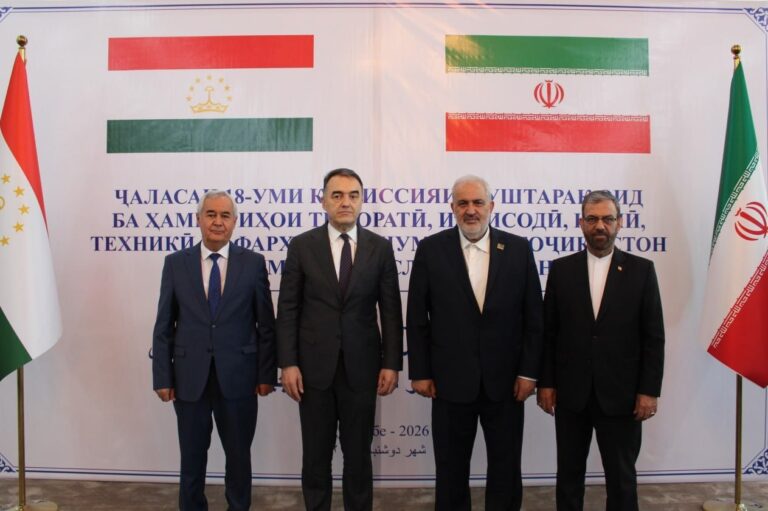
According to Iran’s Mehr News, Chief Executive of Iran Water & Power Resources Development Company Behrouz Moradi remarked this on December 9 while pointing to the agreement made between Tajikistan’s minister of energy and water resources and Iranian minister of energy and adding, “it was decided that Iran will take the necessary measures for the completion of the construction of the Istiqlol Tunnel in Tajikistan.”
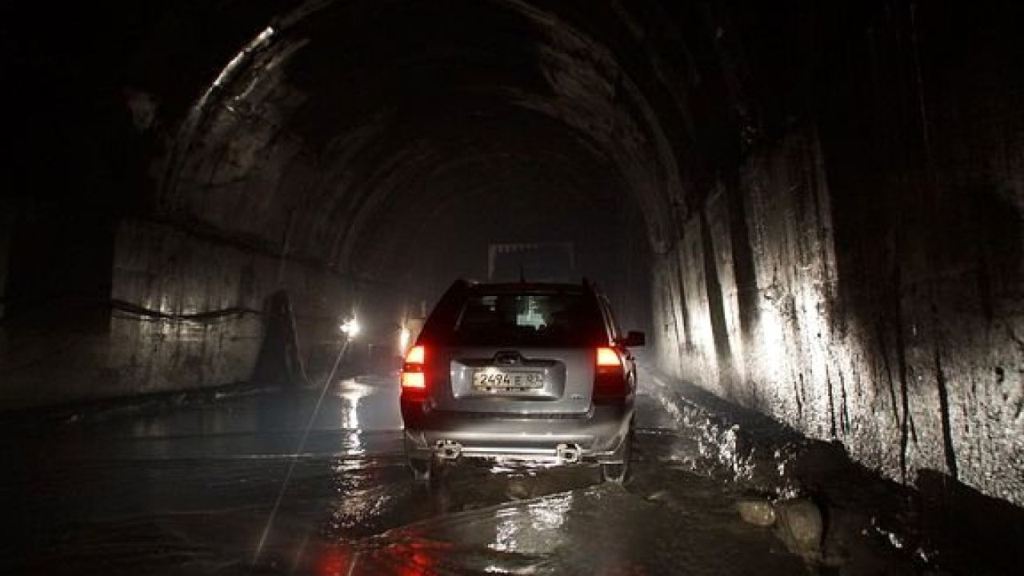
Under the agreement reached by Iranian and Tajik energy ministers in Tehran in recent days, Iran will take the necessary steps for the completion of the lighting of the tunnel.
Elsewhere in his remarks, Moradi pointed to the meeting of Governing Board of Urban Water Management Regional Center, which was held in Tehran on December 5, and added, “constructive talks were held with Tajik minister of energy and water resources. Accordingly, it was decided that Iran will take part in development projects in Tajikistan.”
In addition, it was envisioned that necessary measures should be taken for the export of technical and engineering services to Tajikistan in the field of hydroelectricity power plants and construction of dam, Moradi added.
The Istiqlol Tunnel, better known among the population as the Anzob Tunnel, was built with assistance of Iranian specialists. Iran’s Saber International constructed the Istiqlol Tunnel.
The Istiqlol Tunnel is a five kilometer long tunnel located 80 kilometers northwest of Dushanbe. It connects the Tajik capital to Tajikistan’s second largest city, Khujand. It is also a transit route between Dushanbe and Uzbekistan’s capital Tashkent. Previously, especially during the cold seasons, a lack of a direct link between northern and southern Tajikistan led to disruptions of commerce. The tunnel makes the highway from Dushanbe to Khujand open for traffic the whole year round and drops the transit time by four to five hours.
An official opening ceremony of the Istiqlol Tunnel was held in July 2007; however, some parts of the construction have been left half-finished.
Iranian media reports say the tunnel was constructed in three years, “costing US$60 million.”