The Government of Japan will support five new GGP projects in Tajikistan.
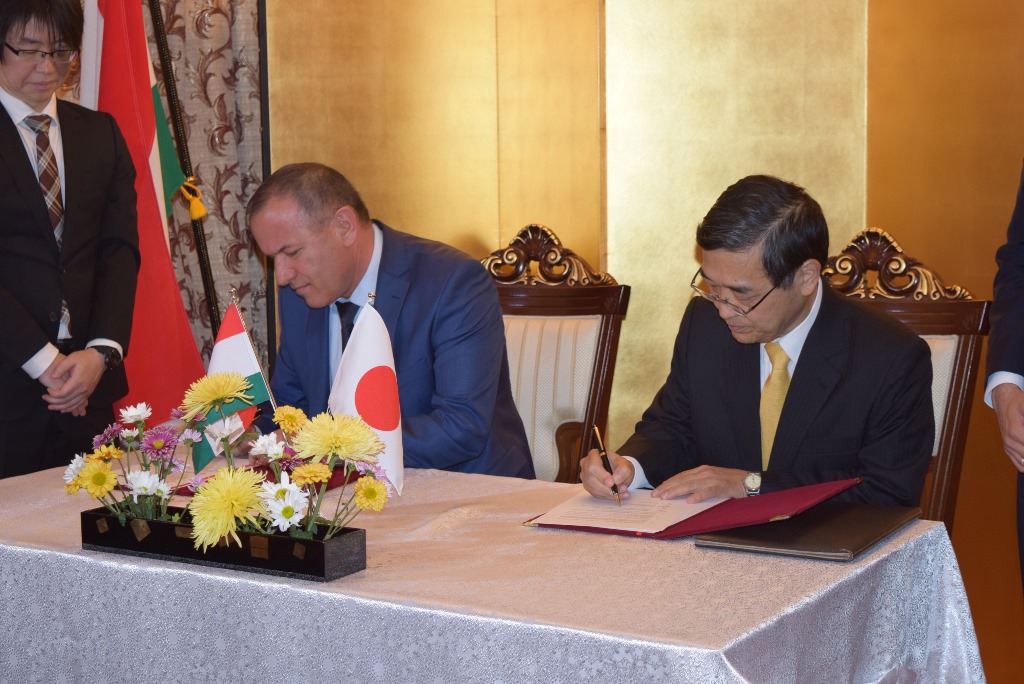
On Wednesday December 11, a signing ceremony for five new projects took place at the Residence of Japan’s Ambassador in Dushanbe, according to Japan’s Embassy in Dushanbe.
The grant contracts were signed between Ambassador Extraordinary and Plenipotentiary of Japan to Tajikistan, Mr. Takayuki Miyashita, and representatives of the recipient organizations. The total grant of Government of Japan for the projects amounts to USD 435,940.
The five new projects, funded under the scheme of Japan`s Grant Assistance for Grassroots Human Security Projects (GGP) are;
“The Project for Rehabilitation of Heating System of Children Hospital in Konibodom City”, signed with Mr. Zafarbek Davlatzoda, Chairperson of Konibodom City, for the amount of USD 90,900;
“The Project for Construction of Women’s Center in Baljuvon District”, signed with Ms. Marifat Zoirzoda, Chairperson of Baljuvon District, for the amount of USD 89,150;
“The Project for Improvement of Medical Equipment of Central Hospital in Asht District”, signed with Mr. Zarif Mirdado, Chairperson of Asht District, for the amount of USD 90,000;
“The Project for Construction of School No.59 in Surkhobcha Village, Ismoili Somoni Jamoat, Devashtich District”, signed with Mr. Sulaimon Ziyozoda, Chairperson of Devashtich District, for the amount of USD 90,210.
“The Project for Improvement of Medical Equipment for Ophthalmological Department of National Medical Center “Shifobakhsh” in Dushanbe City”, signed with Mr. Khizmatullo Shamszoda, Director of National Medical Center “Shifobakhsh”, for the amount of USD 75,680;
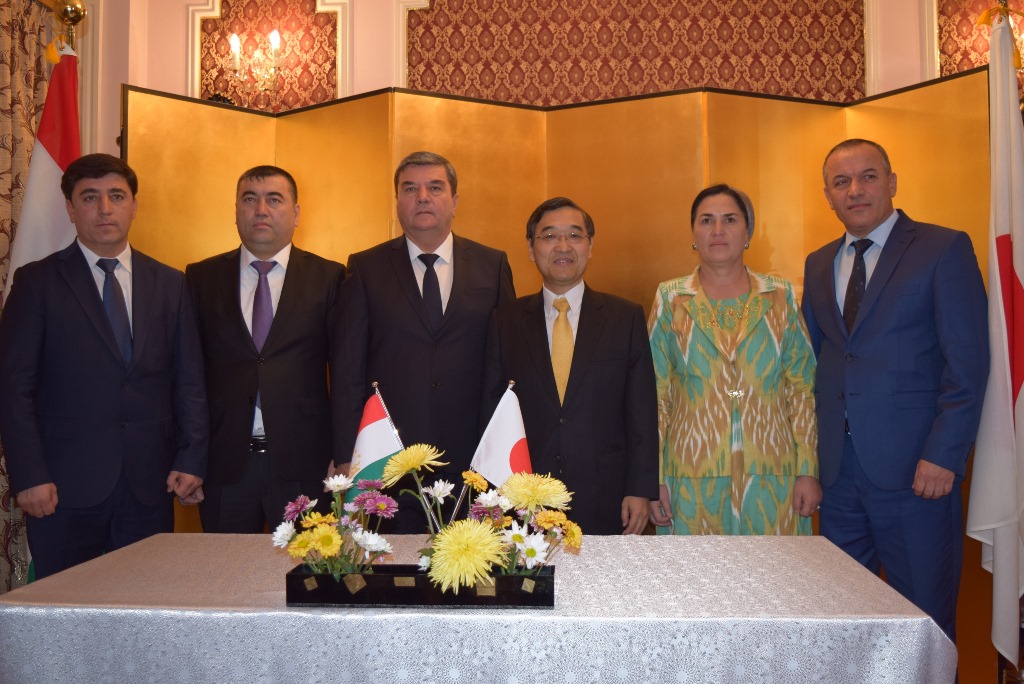
During the ceremony, Mr. Takayuki Miyashita made a remark that Japan’s GGP projects have been able to contribute to the sustainable development of Tajikistan through various projects implemented all across the country and these projects in particular will contribute to creating a better environment for the vulnerable people in the remote areas.
Embracing the occasion, the grant recipients expressed their gratitude to the Government and the people of Japan for their support and ensured that all the determined project goals will be achieved.
Grant Assistance for Grass-roots Human Security Projects (GGP) is provided to local governments, educational/ medical institutions and International NGOs in addressing development needs in the areas such as education, health, water supply and the environment. GGP supports projects in the human security sectors at the grassroots level. To-date, GGP has supported 406 projects in Tajikistan, for which more than US$ 32.9 million has been provided since 1996.