The World Bank’s Board of Executive Directors on February 25 approved U$134 million in grant financing from the International Development Association for the Power Utility Financial Recovery Project with the overall objective of ensuring the viability and efficiency of Tajikistan’s power sector, according to press release issued by the World Bank.
“The inherent benefits of Tajikistan’s ambitious public investments in energy generation and transmission can only be reaped if managed through a modern, efficient, and financially sound power utility,” said Jan-Peter Olters, World Bank Country Manager in Tajikistan. “To this end, the support provided to ensure Barqi Tojik’s financial viability is expected to yield considerable impacts in its ability to provide quality services to the population, attract private investment, and take full advantage of regional power export opportunities.”
The Power Utility Financial Recovery Project aims at increasing financial viability, improving efficiency, and contributing to better governance of the state power utility Barqi Tojik. The company owns and operates most of the electricity generating plants and is responsible for electricity transmission, dispatch, and distribution services to around nine million people, covering all but one regions of the country.
The results to be supported by the project cover three broad areas: 1) ensuring Barqi Tojik’s financial viability; 2) ability to provide universal and reliable electricity supply; and 3) good governance and transparency.
Given the focus on results to be achieved under the project, the World Bank is using a new financing instrument in Tajikistan, the Program-for-Results (PforR), which links disbursement of funds directly to the achievement of specific outcomes.
Barqi Tojik faces several financial and operational challenges. Due to below-cost-recovery tariffs, unsustainable and increasing debt levels, low collection rates for billed electricity, operational inefficiencies, and poor governance practices, the company is in financial distress. In order to help Barqi Tojik to tackle these legacy issues, the Government adopted the Program for Financial Recovery of Barqi Tojik (2019-2025) that includes policy, financial, and operational measures aimed at improving financial viability of Barqi Tojik and increasing reliability of electricity supply. The program will be implemented with government funds and support from development partners.
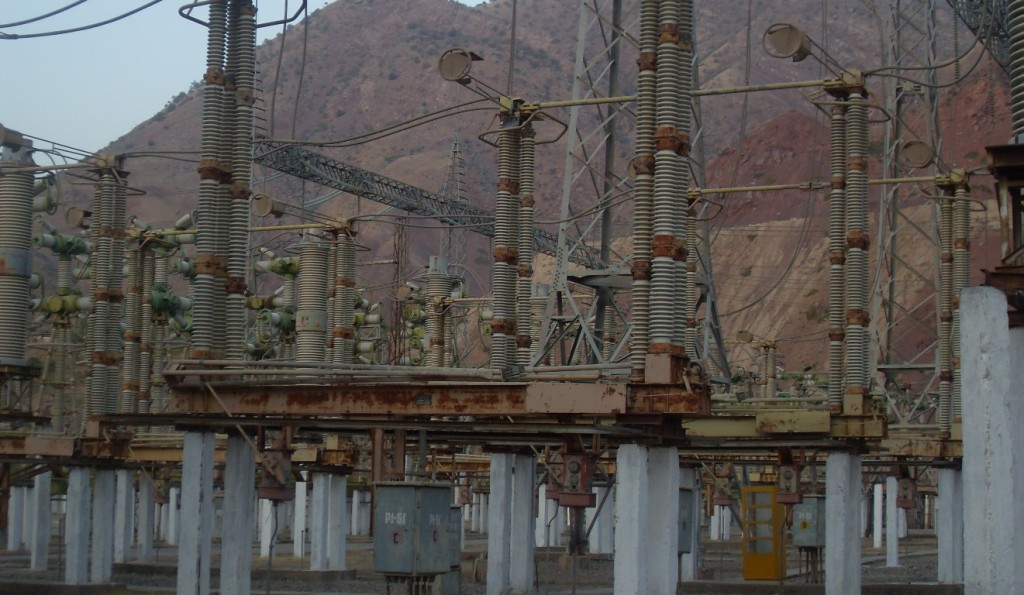
Measures to be financed under the Power Utility Financial Recovery Project include the rehabilitation and modernization of electricity infrastructure, the improvement of collections, the achievement of cost-recovery tariffs, the reduction of electricity losses, the settlement of payables, and timely debt service, integrating sound governance practices and transparency in the operations and financial management of the company. These efforts will help to achieve financial sustainability in the power sector and strengthen sector governance, which would improve the environment for private investment and unlock much-needed commercial financing from local and international capital markets, as well as public financing from different development finance institutions.
Given Tajikistan’s long history of power outages, particularly during the cold winter months, Tajikistan’s energy sector has been a priority area of engagement for the World Bank. Its current investments in the sector stand at around $450 million. These investments aim at supporting the sector’s sustainability, eliminating seasonal energy rationing, ensuring an affordable and stable electricity supply to families and businesses and much needed revenues from increased export of clean, non-fossil energy resources.