The election blackout will begin in every region of the country at midnight local time on Saturday, February 29.
All kinds of campaigning, including party events and rallies, handout of leaflets and political advertising on TV and radio are prohibited.
These restrictions will be in force during the voting day itself and will remain in place until polling stations in this region are closed.
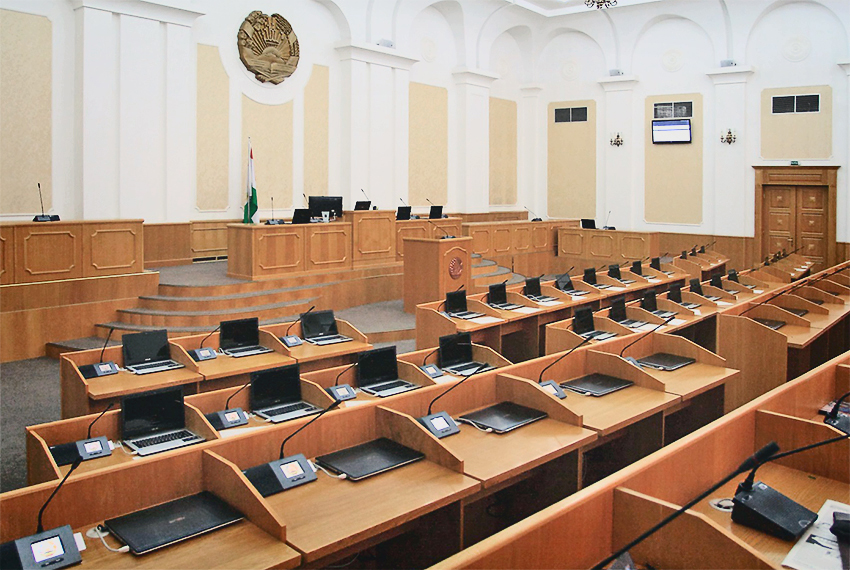
Recall, 240 candidates will compete for 63 seats in Tajikistan’s lower house (Majlisi Namoyandagon) of parliament (Majlisi Milli). Of them, 176 will run for parliament in 41 single-mandate constituencies and 65 others will compete for 22 seats in a single nationwide district.
48 of the officially registered candidates are women.
Members of the Majlisi Namoyandagon (Tajikistan’s lower chamber of parliament) are directly elected for a five-year term according to a mixed majoritarian-proportional system. Of the 63 MPs, 41 are elected from single-mandate districts, with the winning candidate requiring a majority of votes cast. If no candidate receives a majority, a second round is held within two weeks between the two leading candidates. More than 50 per cent of registered voters must participate for the election to be valid; otherwise, repeat elections must be held.
The other 22 MPs are elected from a single nationwide district under a proportional, closed-list system with a five percent threshold. All the seven officially registered political parties have nominated their candidates for parliamentary elections that will take place on March 1, 2020.
Election silence, pre-election silence, electoral silence, or campaign silence is a ban on political campaigning before, and in some countries during, a presidential or general election. An election silence operates in some countries to allow a period for voters to reflect on events before casting their votes.
During this period no active campaigning by the candidates is allowed. Often polling is also banned. The silence is generally legally enforced, though in some countries it is just a “gentlemen's agreement” between leading parties.