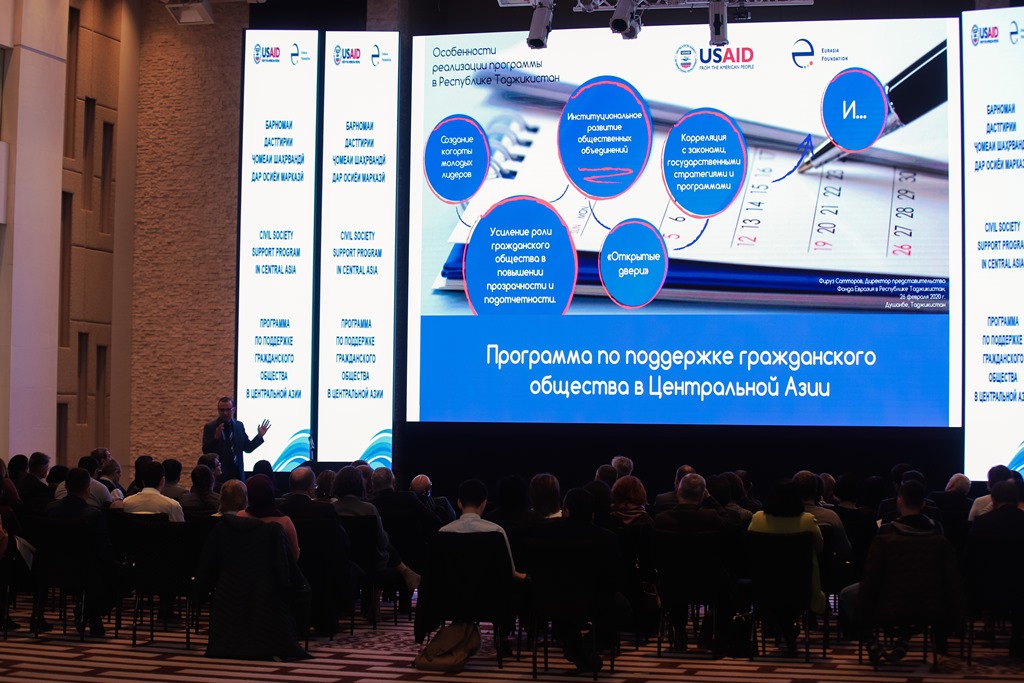
The United States Agency for International Development (USAID) officially launched the Civil Society Support Program in Central Asia, which will be implemented by Eurasia Foundation (www.eurasia.org).
The five-year, $18 million initiative will support citizens of Central Asia to cultivate a vibrant and responsive civil society throughout the region and strengthen a new generation of leaders in the sector.
More than 100 representatives from civil society, the media, public and international communities and government representatives attended the event.
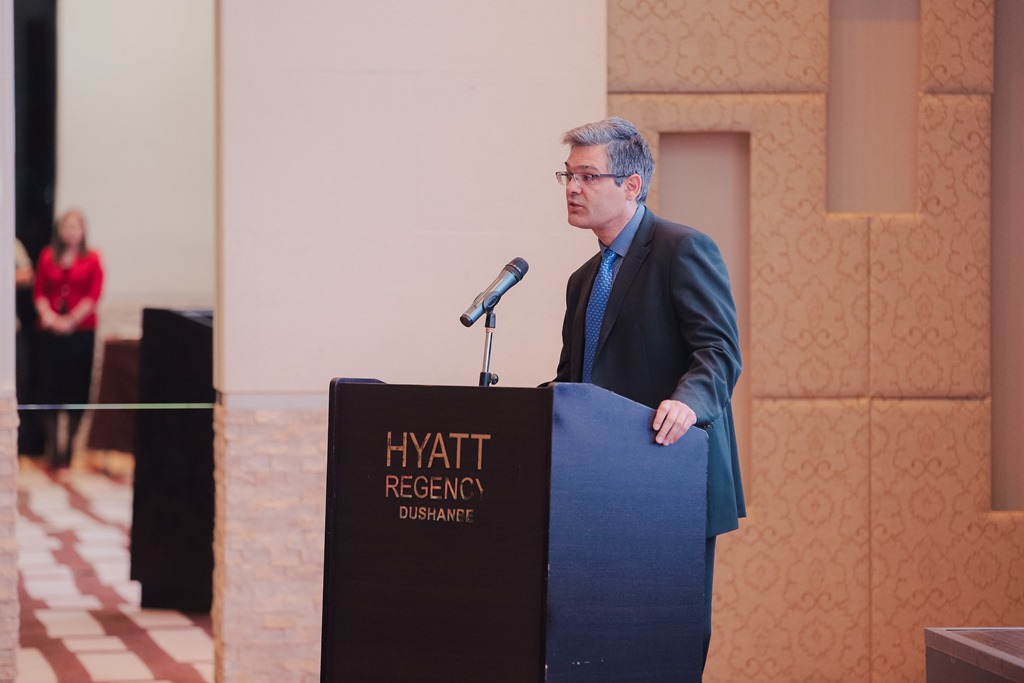
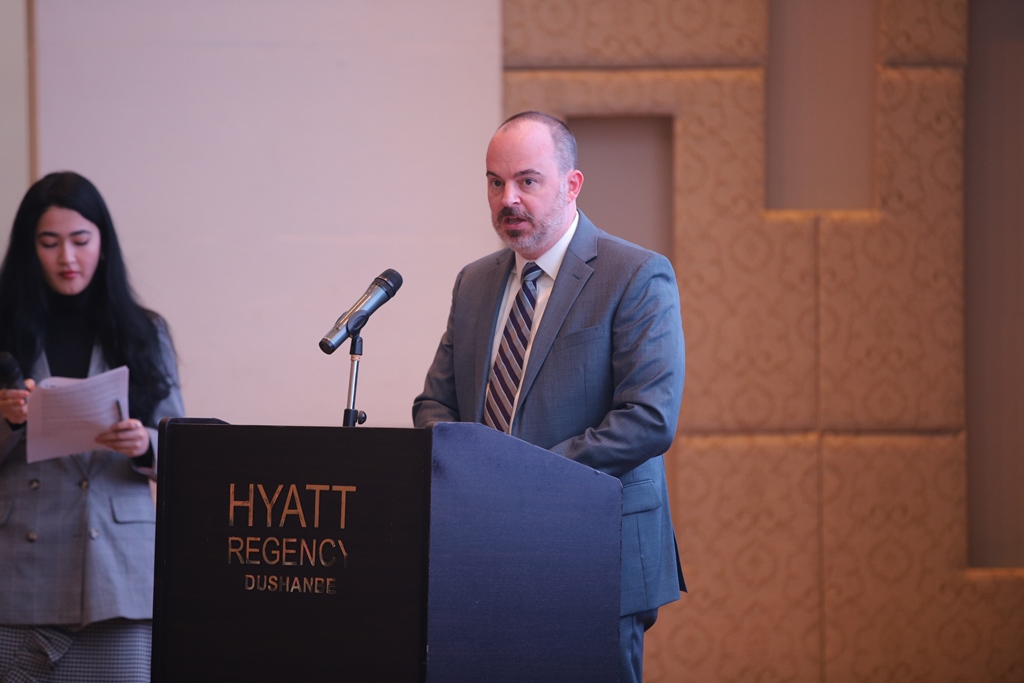
John Ginkel, U.S. Chargé d’affaires for the U.S. Embassy in Tajikistan; Jamshed Murtazoqulov, Member of Parliament, Committee on Science, Education, Culture and Youth Policy of Majlisi Namoyandagon Majlisi Oli RT; and Mr. Khurshed Dodikhudoyev, the Head of the Regional Security Studies Department of the Center for Strategic Research, spoke of their collective vision for civil society in Tajikistan.
The Civil Society Support Program in Central Asia will foster a cohort of active young leaders, strengthen civil society’s role in calling attention to issues of public concern, enhance the sector’s ability to address the needs of the people, and help civil society organizations become more financially stable and focused on results.
Through the Civil Society Support Program, USAID will establish the Central Asia Young Leadership Academy to build the capacity of young leaders between the ages of 18 and 30 to support and advocate for their communities. USAID will train advocates and civic activists to effectively engage in dialogue with the government and build the institutional capacity of civil society organizations to respond to citizens’ needs.
USAID is the world’s premier international development agency and a catalytic actor driving development results. USAID’s work advances U.S. national security and economic prosperity, demonstrates American generosity, and promotes a path to recipient self-reliance and resilience.
The United States Agency for International Development (USAID) officially launched the Civil Society Support Program in Central Asia, which will be implemented by Eurasia Foundation (www.eurasia.org).
The five-year, $18 million initiative will support citizens of Central Asia to cultivate a vibrant and responsive civil society throughout the region and strengthen a new generation of leaders in the sector.
More than 100 representatives from civil society, the media, public and international communities and government representatives attended the event.
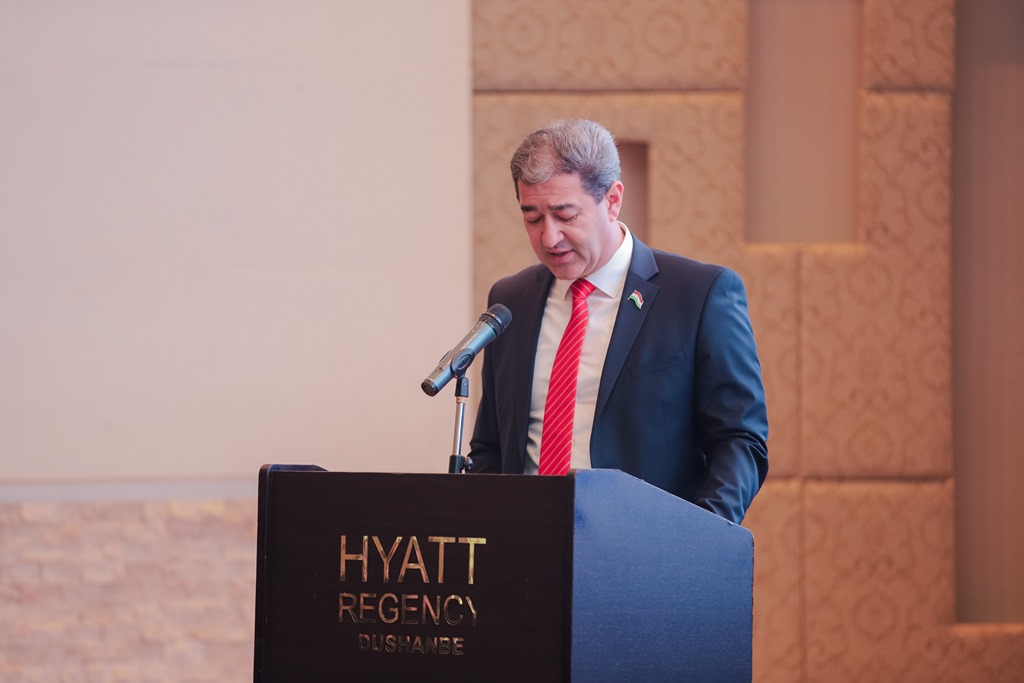
John Ginkel, U.S. Chargé d’affaires for the U.S. Embassy in Tajikistan; Jamshed Murtazoqulov, Member of Parliament, Committee on Science, Education, Culture and Youth Policy of Majlisi Namoyandagon Majlisi Oli RT; and Mr. Khurshed Dodikhudoyev, the Head of the Regional Security Studies Department of the Center for Strategic Research, spoke of their collective vision for civil society in Tajikistan.
The Civil Society Support Program in Central Asia will foster a cohort of active young leaders, strengthen civil society’s role in calling attention to issues of public concern, enhance the sector’s ability to address the needs of the people, and help civil society organizations become more financially stable and focused on results.
Through the Civil Society Support Program, USAID will establish the Central Asia Young Leadership Academy to build the capacity of young leaders between the ages of 18 and 30 to support and advocate for their communities. USAID will train advocates and civic activists to effectively engage in dialogue with the government and build the institutional capacity of civil society organizations to respond to citizens’ needs.
USAID is the world’s premier international development agency and a catalytic actor driving development results. USAID’s work advances U.S. national security and economic prosperity, demonstrates American generosity, and promotes a path to recipient self-reliance and resilience.