2.576 billion USD sent through money transfer system to Tajikistan from Russia last year

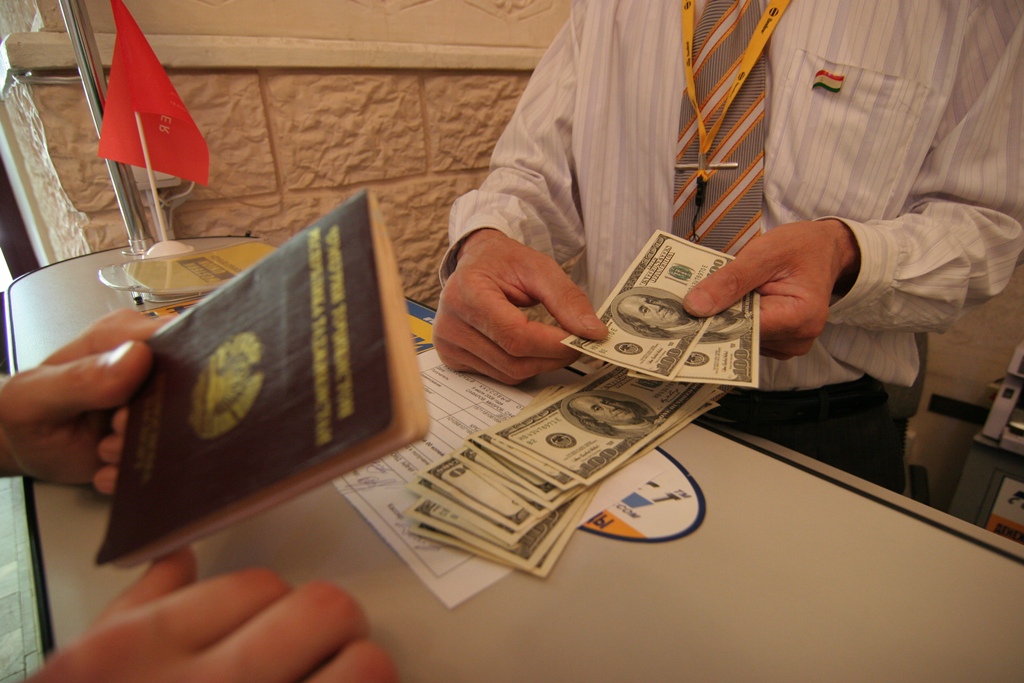
US$2.576 billion were sent through money transfer system to Tajikistan from Russia last year, which was 23 million U.S. dollars more than in 2018, according to Russia’s central bank. Last year, remittances from Tajik citizens sent through money transfer system to the country from Russia were reportedly equivalent to nearly 33 percent of all economic […]

US$2.576 billion were sent through money transfer system to Tajikistan from Russia last year, which was 23 million U.S. dollars more than in 2018, according to Russia’s central bank.

Last year, remittances from Tajik citizens sent through money transfer system to the country from Russia were reportedly equivalent to nearly 33 percent of all economic output (as measured by gross domestic product, or GDP).

Uzbekistan topped CIS nations in terms of remittance flows sent from Russia through money transfer systems in 2019.

4.7 billion U.S. dollars were reportedly remitted to banks in Uzbekistan from the Russian Federation last year, which was 700 million U.S. dollars more than in 2018.

Over the past three years, the volume of remittance from Russia to Tajikistan has remained practically at the same level: US$2.576 billion in 2019; US$2.553 in 2018; and US$2.536 billion in 2017.  

Tajikistan is one of the world’s most remittance dependent countries and labor migrants are still a critical component in the economy of Tajikistan.  Remittances keep many struggling families at home above the poverty line.  

An estimated 1 million Tajik labor migrants are currently working in the Russian Federation, according to some sources.   

According to World Bank data, remittances accounted for almost 44 percent of Tajikistan’s GDP in 2013, just over 37 percent in 2014, down to under 29 percent in 2015, and to a bit under 27 percent in 2016. The share of GDP reportedly went up to 31 percent in 2017 and was 29 percent in 2018.

In early 2016, the National Bank of Tajikistan (NBT) said Tajik migrant laborers in Russia actually sent back more rubles in 2015 than in 2014, but the depreciation of the ruble meant the money sent back to Tajikistan was worth 33 percent less in 2015, according to Radio Liberty.

In 2014-15, the Russian ruble fell from 32.85 to $1 to 72.69/$1.

The Russian ruble rate was about 66/$1 on March 3, 2020, and one week later it fell to 71/$1 (down from a high of 74/$1 on March 9).

Join us on social media!

Article translations:

Related Article

Tenisi
Оби зулол
Оби зулол

Most Read

Коммерсбонк Точикистон

Recent Articles

RZD announces the restoration of passenger services between Moscow and Dushanbe

Direct rail services between the capitals of Russia and Tajikistan were suspended in March 2020 due to the COVID-19 pandemic.

#AP30/Stories. “Selam! Heller nichek?” How Tatars live today in Sughd province

On the 30th anniversary of "Asia-Plus," we continue to publish reports that remain relevant even after years. This story was told in 2021, and since then, little has changed in the life of the Tatar community in Tajikistan.

15,000 cameras, drones, and robots: how technology monitors pilgrims in Mecca and Medina

During Hajj 2026, Mecca and Medina were under unprecedented digital control.

Another child in Dushanbe removed from family and sent to boarding school

The Ministry of Internal Affairs reports that the parents did not pay adequate attention to the child.

Emomali Rahmon instructs to address issues in seed production following criticism of the industry

Issues have been noted with certification, seed quality, and the material and technical base of the industry.

Water, climate, and a $130 billion deficit: seven key outcomes of the Water Conference in Dushanbe

At the forum, countries and international organizations discussed new mechanisms for cooperation, investments, and technologies that are essential for addressing the global water crisis.

Eskhata Bank introduces a new generation children’s wallet

"Eshkata Bank" has created a full-fledged digital platform that helps children aged 7 to 16 learn how to manage money.