The United Nations World Food Programme (WFP) has launched Cash for Work projects to support 15,000 vulnerable people in eastern Tajikistan who have been affected by the socio-economic shocks caused by the COVID-19 pandemic.
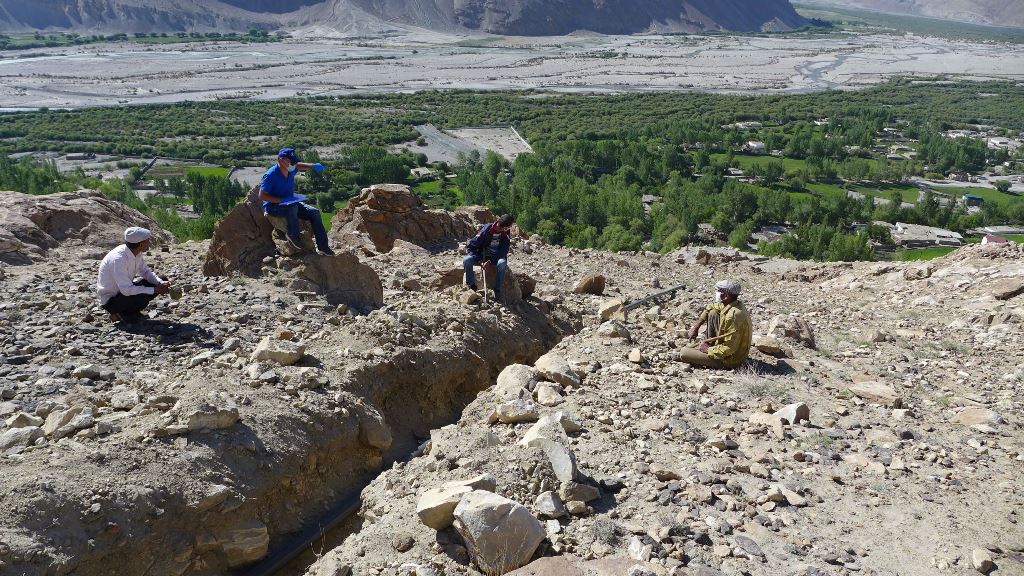
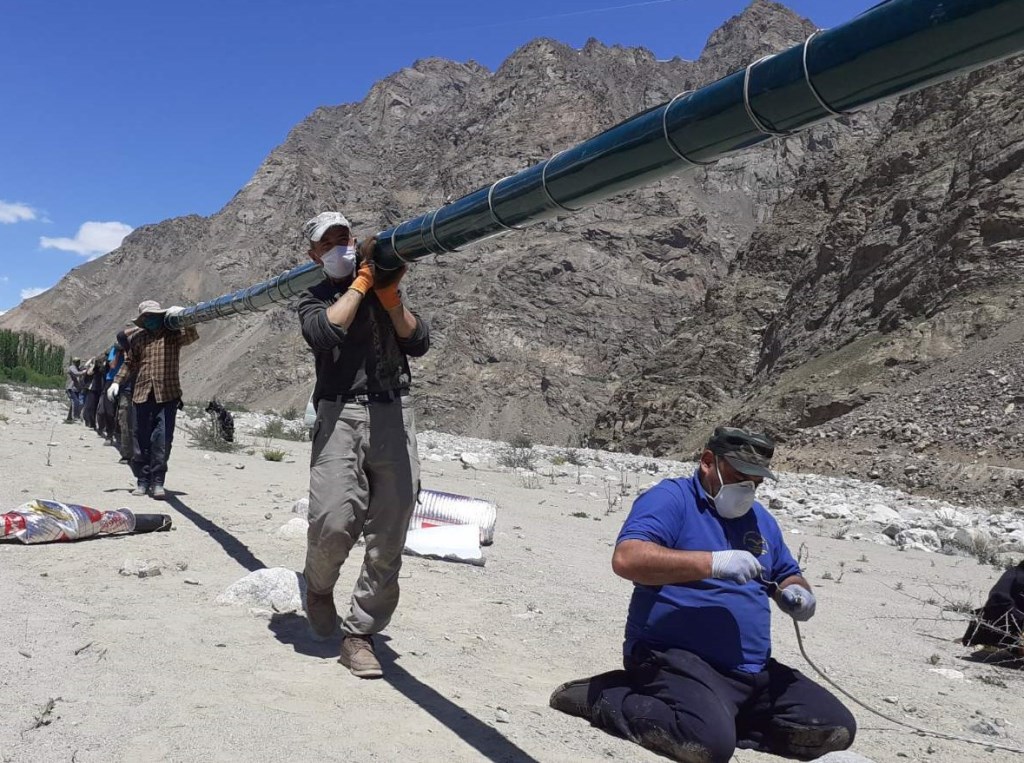
According to the WFP Country Office in Tajikistan, the projects will provide 3,000 participants and their families with cash assistance for three months in exchange for their work on rehabilitating or constructing community assets such as irrigation canals, drinking water supply systems and forestry areas in the targeted communities.
“While these projects will help families meet their basic food needs, they will also stimulate the market through an injection of cash and build long-term assets that will benefit entire communities and not only the people we serve,” says WFP Representative and Country Director in Tajikistan Alberto Correia Mendes.
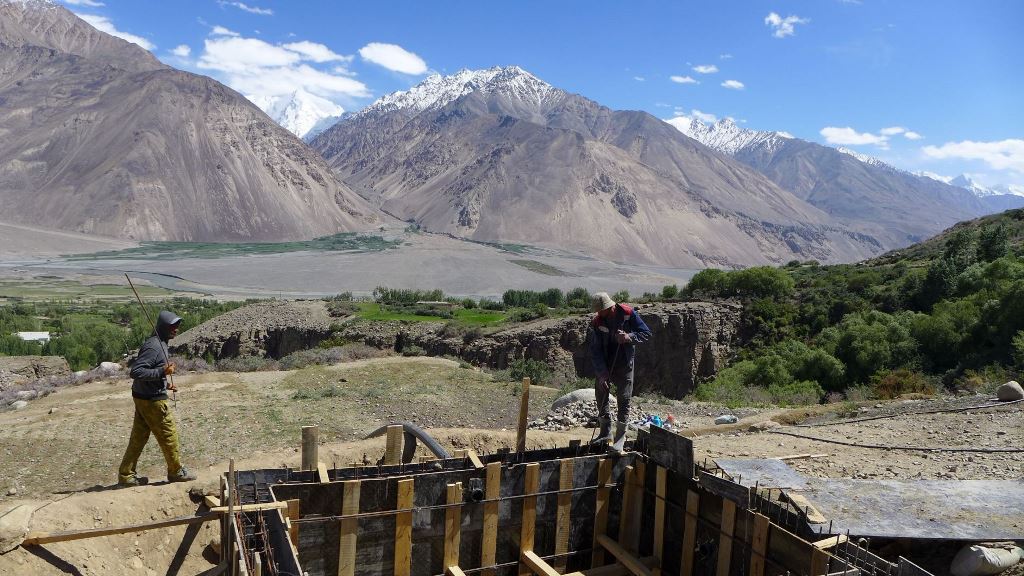
The projects are implemented in partnership with the local authorities of the Gorno Badakhshan Autonomous Region (GBAO), the Agha Khan Agency for Habitat (AKAH), Mountain Societies Development Support Programme (MSDSP), and local public organization “Imdodi Dehot.”
WFP prioritizes families who are chronically food insecure—many of them women-headed households—and are now directly impacted by the socio-economic shocks related to the global pandemic including increasing food prices and reduced remittances from migrant workers.
To promote gender equality and women’s economic empowerment in Tajikistan, WFP plans to involve women in all its projects and ensure that 60 percent of those assisted are women.
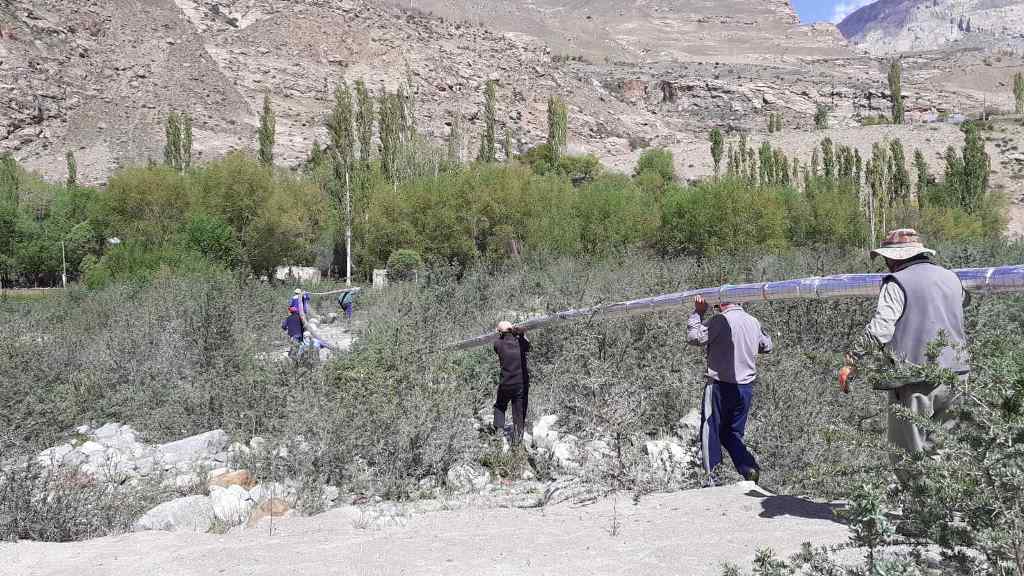
Since 1993, WFP has been working in Tajikistan implementing resilience building, disaster risk management and climate change adaptation projects. In 2019, WFP assisted some 30,000 people through resilience building projects across the country.
Furthermore, WFP is also supporting the Government of Tajikistan to strengthen its capacity of emergency preparedness and response, working with the Emergencies Committee under the Government of Tajikistan and other relevant agencies, contributing to the strengthening of the national Rapid Emergency Assessment and Coordination Team (REACT) and the National Platform for Disaster Risk Reduction.
The United Nations World Food Programme is the world’s largest humanitarian organization, saving lives in emergencies, building prosperity and supporting a sustainable future for people recovering from conflict, disasters and the impact of climate change.