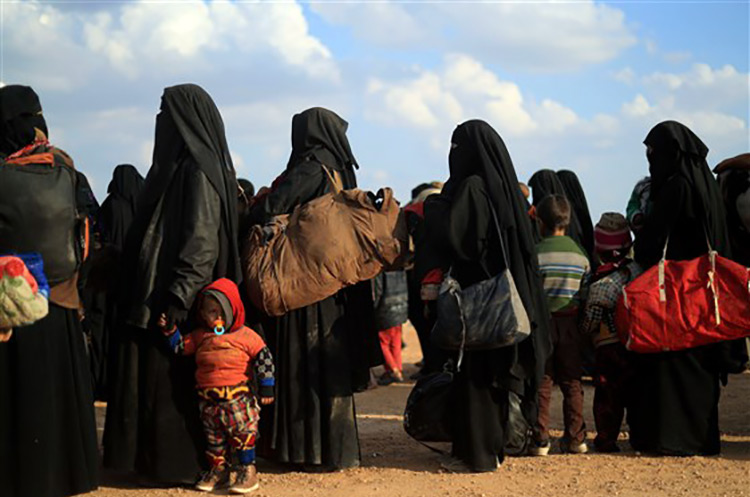
Some 500 Tajik nationals are currently living in camps in Syrian territories controlled by Kurds, Tajik Foreign Minister Sirojiddin Muhriddin told reporters in Dushanbe on July 27.
“There are 286 women and children among them who want to return home. “We are closely cooperating with the Syrian authorities in this direction,” Muhriddin said.
According to him, they are also closely cooperating with UNICEF and International Committee for Red Cross (ICRC) in this direction.
“However, the repatriation of Tajik women and children from Syria to Tajikistan has been postponed due to the coronavirus pandemic. Besides, there is no information about the number of our nationals who contracted the novel coronavirus in these camps,” the minister added.
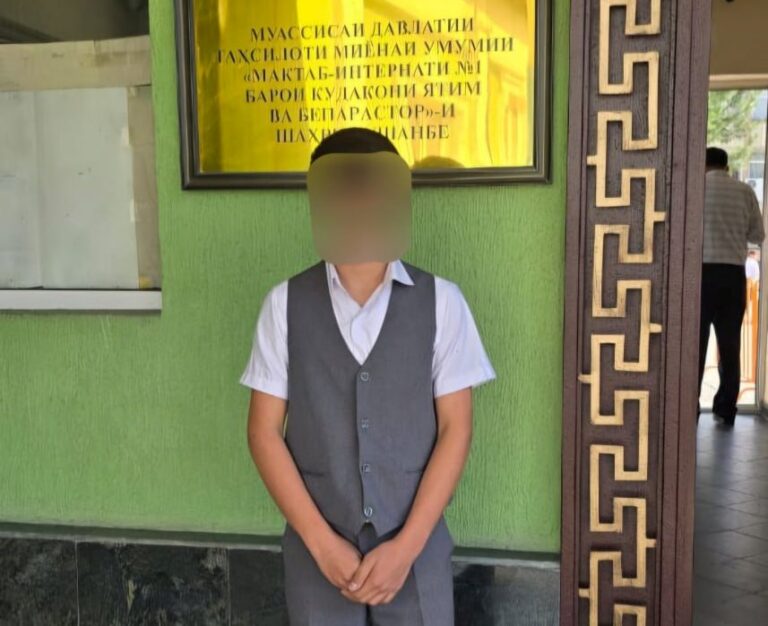
Recall, 84 children whose Tajik mothers are imprisoned in Iraq under charges of belonging to the Islamic State (IS) terror group were brought home on April 30 last year. Returning children underwent medical check-ups and received the necessary medical treatments and vaccinations.
Trained psychologists and teachers reportedly have worked with the children to help them to adapt to their new life in Tajikistan.
According to data from the State Committee for National Security (SCNS) of Tajikistan, sow 1,900 people from Tajikistan have left for Iraq and Syria since 2014 to join the IS terror group. More than 1,700 of them have reportedly been put on the international wanted list. Some 500 Tajiks were reportedly killed in armed conflicts in Middle East and more than 700 others were detained.
Radio Liberty’s Tajik Service reported on March 12, 2019 that more than 100 people in total, including families with children, have returned from the conflict zone — both before and after the amnesty was offered in 2015.
Some were convicted of being mercenaries or recruiting for foreign terrorist organizations. Most, however, have reportedly reintegrated into society under the watchful eyes of authorities, including security services and neighborhood committees.
Tajik authorities in 2015 offered an amnesty to those who voluntarily returned and renounced violence, seeing it as an opportunity to warn citizens of the dangers of joining ranks with radical Islam.